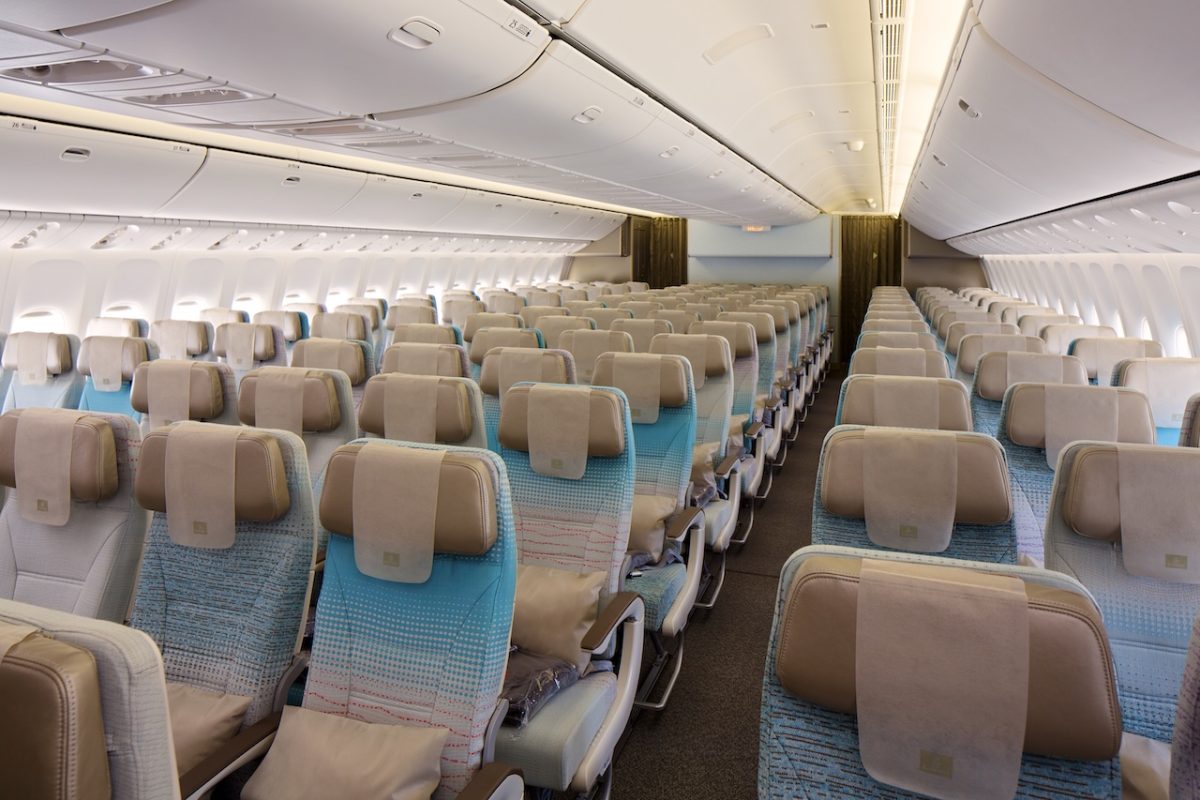
Social media is flooding with footage of something you almost never see in commercial aviation: completely empty airplane cabins. Travelers posting from flights to the UAE and Qatar are documenting the surreal experience of boarding aircraft designed for hundreds and finding maybe 20 other people on board.
One content creator who splits her time between London and Dubai posted a TikTok video from her Emirates flight that went viral, describing the experience as unnervingly quiet. A passenger on a Beijing-to-Doha route reported boarding a plane with a 300-seat capacity that carried just 20 people, including two in business class. A traveler from Riga to Dubai admitted the sparseness felt odd, though she was grateful the flight didn't get cancelled, especially after just landing a job offer in the Emirates.
Why the Gulf Is Ghosting Its Own Hub Cities
The exodus started in late February when escalating Middle East tensions disrupted regional aviation. After joint US-Israeli military strikes and Iran's retaliatory response, authorities closed airspace and temporarily grounded flights. The Strait of Hormuz, a critical global shipping lane, also faced closure. Airlines scrambled to reroute services, and many flights got cancelled outright.
While most flights have since resumed operations, recovery has been uneven at best. The initial flight cancellations revealed how fragile Gulf aviation infrastructure could be, and many travelers remain spooked. Several governments still advise against non-essential travel to parts of the region. Passengers booking Europe-to-Asia routes are increasingly choosing paths that sidestep the risk of sudden airspace closures.
Oil prices spiked after Iranian strikes targeted energy facilities in Saudi Arabia and Bahrain. Higher fuel costs mean airlines are charging more for tickets, and fewer leisure travelers want to absorb those expenses to visit a region perceived as unstable. The World Travel and Tourism Council estimates the disruption could cost the Gulf region up to 523 million euros.
The Airlines' Most Generous Response Yet
To fill the void left by cancelled bookings, major carriers have sweetened the pot for hesitant passengers. Emirates, for instance, granted travelers who booked between February 28 and March 31 the option to reschedule until April 30 or request full refunds. Similar flexibility from other airlines has let thousands of people postpone their plans without losing money. Unsurprisingly, many took the out.
The passengers who did choose to board those nearly empty flights, however, stumbled onto something unexpected. With crew outnumbering passengers by a significant margin, the service became almost absurdly generous. Attendants had time to properly care for every traveler on board, resulting in abundant food service, prompt attention, and an overall experience that rivals first-class travel on packed flights.
Who's Still Flying to Dubai and Doha Right Now
The thin crowds are mostly made up of expatriates heading home and connecting passengers bound for Asia and Australia who view Gulf hubs as unavoidable transfer points rather than destinations. Leisure tourism has essentially dried up. Dubai's peak winter season, normally packed with international visitors, has become eerily quiet.
Airlines continue operating routes despite low demand, hoping passenger confidence will return as the security situation stabilizes. For now, though, anyone booking a flight to these major Gulf hubs should expect cabin crew that feels less like employees and more like personal concierges. It's a peculiar bright spot in an otherwise disruptive moment for Middle Eastern travel.