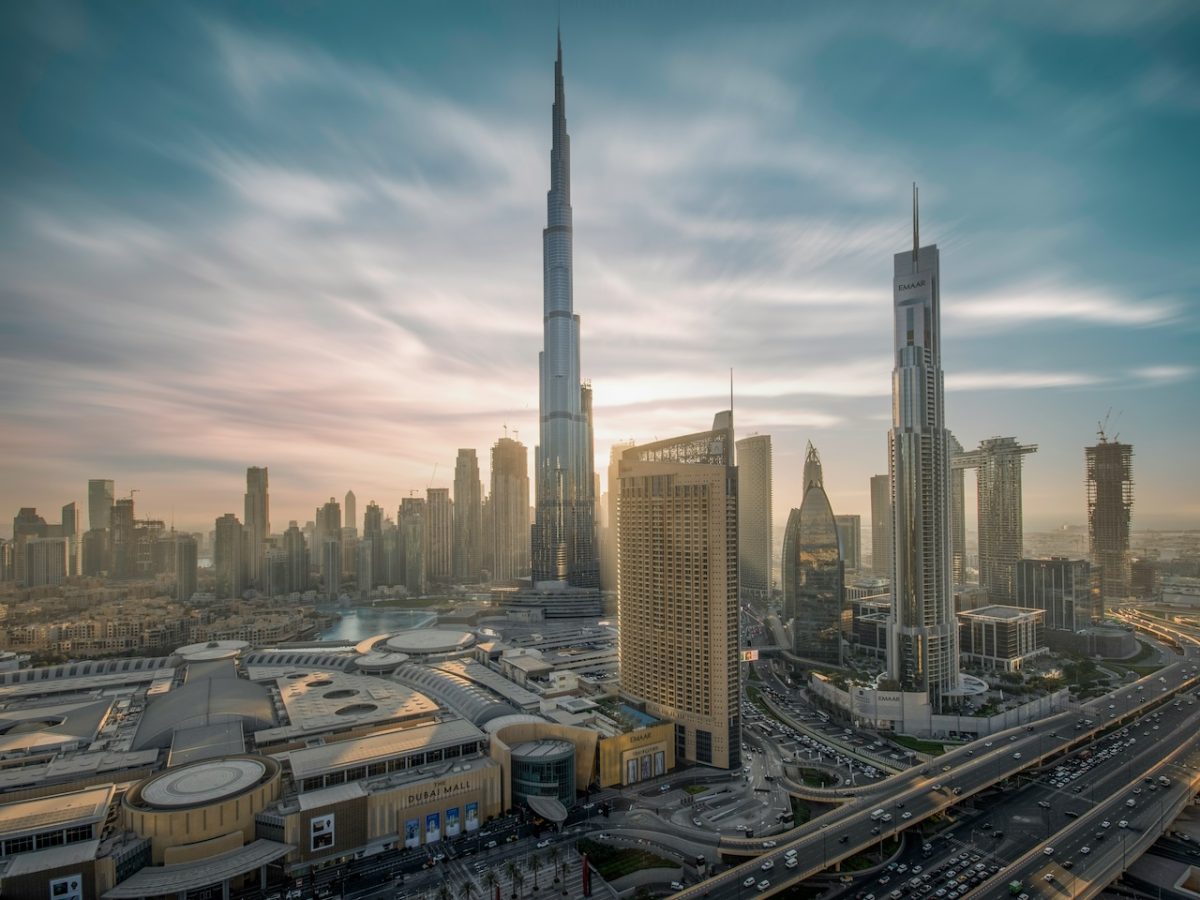
Picture Dubai's Burj Al Arab gleaming against an empty shoreline. Imagine Al Seef's waterfront markets, usually shoulder-to-shoulder with visitors, operating at half capacity. This is the new reality for a city that has built its identity on relentless tourism and luxury.
Since late February, when regional tensions escalated dramatically, Dubai's tourism engine has sputtered to a near standstill. The beaches remain beautiful. The hotels still offer five-star service. The shopping malls continue their air-conditioned glory. Yet the travelers have largely vanished, spooked by drone strikes, missile intercepts, and uncertainty.
When Flights Became the Real Barrier
The mechanics of the problem are straightforward but brutal. Dubai International Airport suspended operations following a precautionary measure after drone strike debris struck near the runway. While flights have gradually resumed to selected destinations, the damage to traveler confidence runs deeper than airport closures. Over 50,000 flights across the broader Middle East have been cancelled or diverted since the conflict began, leaving airlines scrambling through a backlog that stretches from March into summer.
Ticket prices have surged. Availability has cratered. A Belgian traveler who used to book annual trips to Dubai told us bluntly: she and her family are heading to Spain instead this year. She's not alone. Families across Europe, Australia, and North America have simply rerouted their winter escapes. Hotels report cancellations stacked up through May.
The Numbers Tell a Grim Story
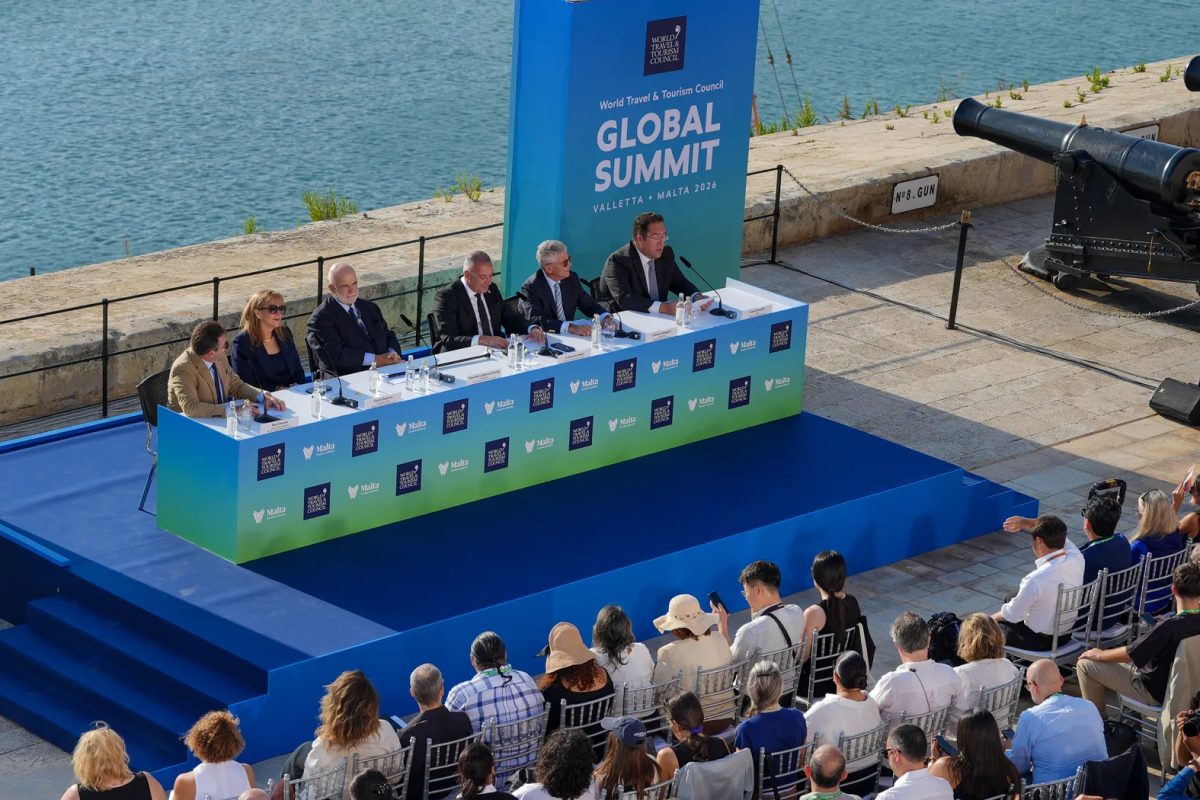
The World Travel and Tourism Council estimates the wider Middle East conflict is costing the tourism sector roughly $600 million per day. That's not a quarterly slump. That's a daily hemorrhage. Dr Naim Maadad, CEO of Gates Hospitality, explained the cascading problem plainly: when the first quarter tanks, the rest of the year becomes a scramble to catch up on lost revenue.
Western governments haven't helped market sentiment. The UK Foreign Office explicitly warns that Iran is targeting civilian infrastructure. France cautions that intercepted missiles still rain debris onto urban areas. The US State Department has ordered non-emergency government staff to leave and is urging citizens to reconsider travel plans. British nationals in the UAE are being advised to shelter in place and register their presence with authorities.
Residents Shrug. Tourists Flee.
There's a strange split between how locals and visitors perceive the risk. Stephanie Baker, a British real estate consultant who relocated to Dubai a year ago, admitted her first missile sighting was shocking. Yet the government's handling of the crisis has actually made her feel more secure. Daily life continues. Shops open. Traffic flows. Authorities stage public appearances in busy malls to reinforce normalcy.
But travelers operate under different calculus. Families want calm skies, not governmental reassurance. Business travelers want reliable flight schedules, not precautionary airport closures. The numbers speak for themselves: Dubai's hospitality sector is bleeding bookings.
The underlying facts deserve attention. Iran has launched hundreds of ballistic missiles, 15 cruise missiles, and over 1,500 drones at the UAE. Defense systems have intercepted more than 90 percent of them. Six people have died, and more than 140 have been injured. Material damage is measurable. Human casualties, though low relative to the attack volume, are real.
Will Dubai Bounce Back?
Christopher Davidson, an observer of Gulf politics, believes the city's fundamentals remain intact. Infrastructure doesn't vanish. Regulatory frameworks don't collapse. Geography doesn't shift. Weather stays favorable. In the long term, he argues, Dubai's appeal will survive this shock.
But long term means little to a hotel manager watching occupancy rates plummet in March. It means nothing to an airline that's cancelled a third of its routes. For now, Dubai waits. The water remains turquoise. The hotels remain ready. The restaurants still cook exceptional food. Yet the travelers, spooked by forces beyond their control, have chosen to wait things out elsewhere.