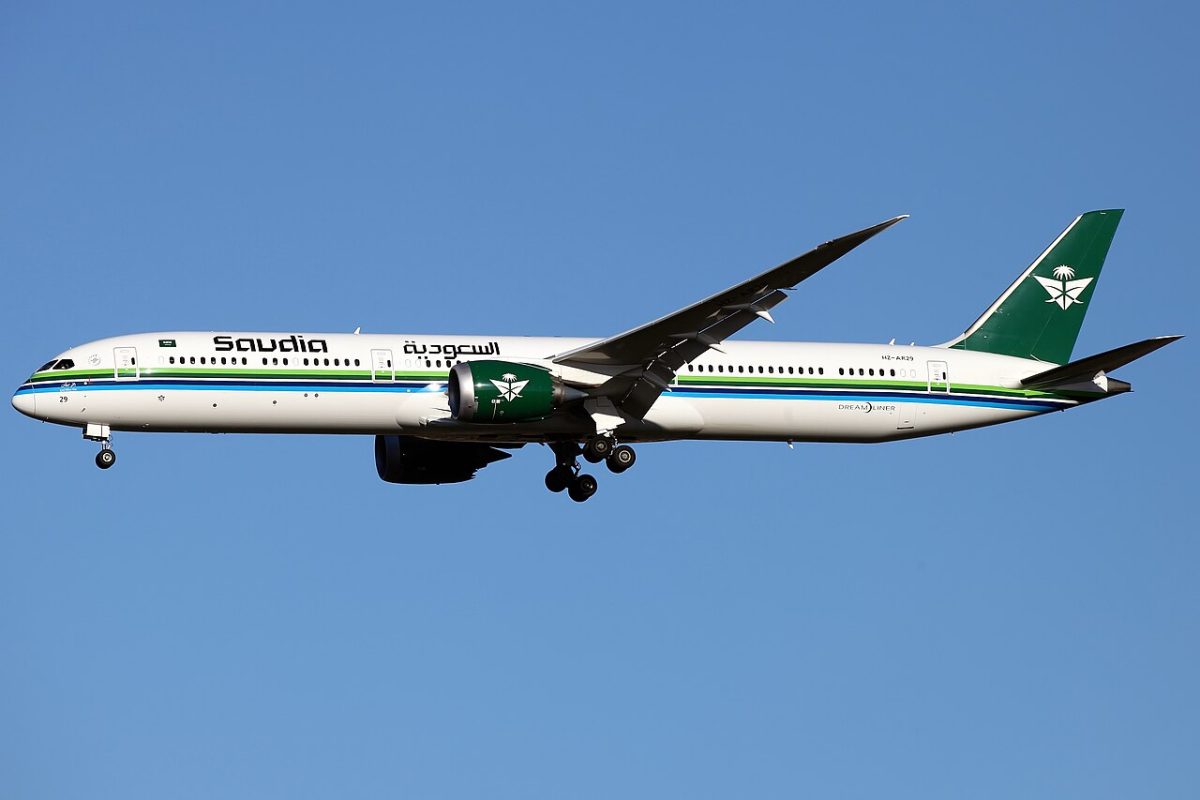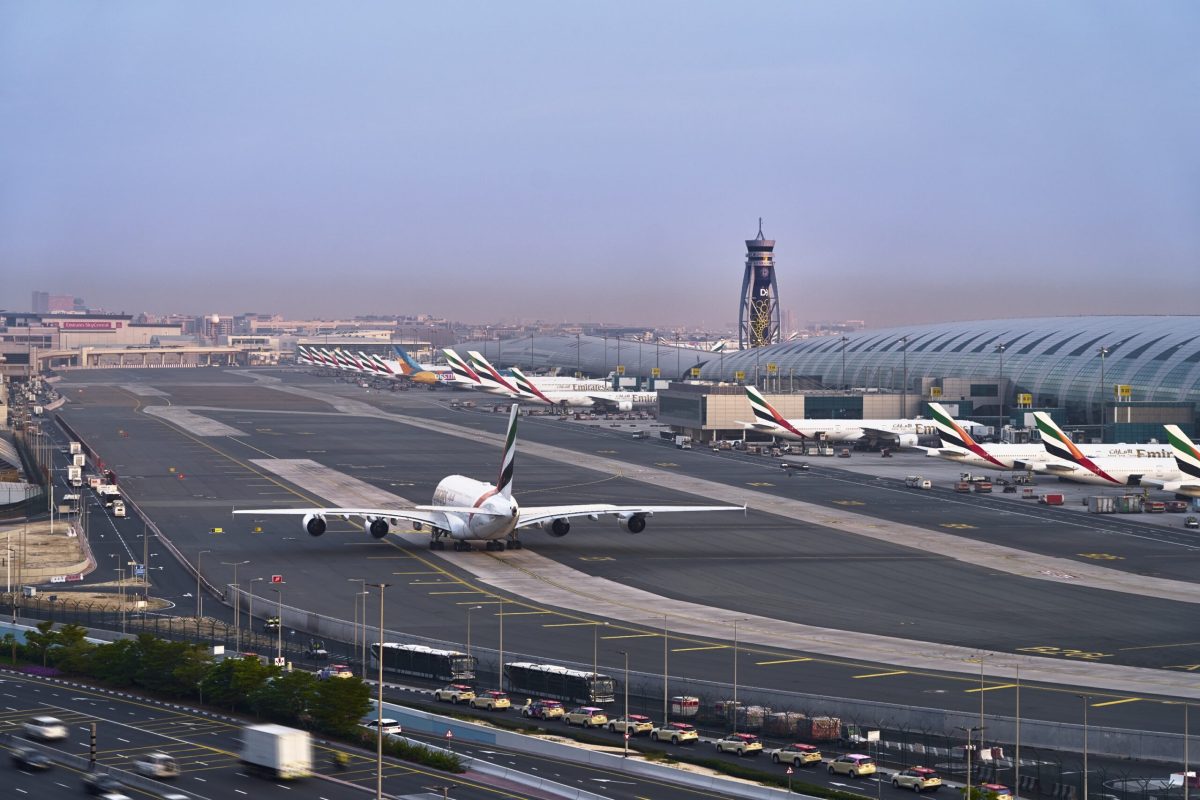
The skies over the Persian Gulf are stirring again. On Monday, major UAE carriers announced they would begin operating a handful of carefully controlled flights, breaking days of near-total silence. But make no mistake: this is not business as usual. These are rescue missions, not vacations.
Emirates, Etihad, flydubai, and smaller regional carriers have each announced they'll fly small numbers of aircraft to bring stranded passengers home. The UAE's General Civil Aviation Authority declared that special flights would depart from Dubai International Airport (DXB), Al Maktoum International Airport (DWC), and Zayed International Airport (AUH) in Abu Dhabi, all of which suffered damage from Iranian missile strikes over the weekend. DXB was hit Saturday, injuring several workers. Zayed took the worst blow, with one worker killed and seven injured.
For flydubai, the plan is modest but symbolic: four flights heading to Russia and Kazakhstan on Tuesday, plus three inbound services from Pakistan and Somaliland. Emirates has already moved four massive A380 jets to London, Paris, Frankfurt, and Manchester. The first flight since February 28 attracted over 138,000 viewers tracking it on FlightRadar24 (a phenomenon that tells you how desperate people are watching this unfold). Early routes include Mumbai and Chennai for passengers booked earliest.
Here's what travelers absolutely need to know right now: do not show up at an airport unless your airline has directly contacted you. On Monday alone, over 80 percent of flights from Dubai were cancelled, along with more than half of Abu Dhabi services. That's not a hiccup. That's gridlock.
Across seven major regional hubs (Dubai, Doha, Abu Dhabi, Sharjah, Kuwait, Bahrain, and Al Maktoum), approximately 2,000 flights vanished from schedules in a single day. Lufthansa opted to send a single aircraft from Abu Dhabi with just two pilots to safety, rather than risk passenger transport. The airline extended its service suspension to the UAE through March 4. Ben Gurion Airport in Tel Aviv opened briefly for El Al repatriation flights, but international carriers continue to avoid the region entirely.
Why This Matters for Travelers
Dubai is not just any hub. It's the world's busiest international transit airport, handling nearly 100 million passengers annually. When it shuts down, the ripple effect reaches everywhere: connecting flights to Asia vanish, European bookings dissolve, and hundreds of thousands of passengers find themselves trapped thousands of miles from home.
Etihad Airways confirmed it would operate only repositioning, cargo, and repatriation flights "subject to strict operational and safety approvals." Translation: they're not expecting to return to normal quickly. Fifteen flights did depart Abu Dhabi on Monday to cities including Paris, London, Amsterdam, and Cairo, but exactly which were repatriation services and which were something else remains unclear.
The broader picture is troubling. Airspace over Iran, Iraq, and Israel remains largely sealed off. Most major international carriers have extended suspensions through at least early March as they wait for the situation to stabilize. The region that moves millions of travelers annually is now essentially offline.
What You Should Do Now
If you're stranded in the UAE or waiting for a connection that never came, contact your airline directly. Don't go to the airport. Don't assume schedules have updated. Airlines are operating in crisis mode, prioritizing earlier bookings and communicating directly with affected passengers. Your airline will find you if a seat is available.
The situation changes daily. Some carriers may resume limited commercial service soon, but it will be gradual and cautious. For the latest on individual airline responses and passenger assistance options, check updates from your carrier directly and consult Traveltion's ongoing coverage of the regional disruption.
Travel through the Middle East isn't suspended indefinitely. But it's suspended enough to reshape March bookings for millions of people worldwide. What started as a regional conflict has become a global logistics nightmare, and we're still in the early chapters.