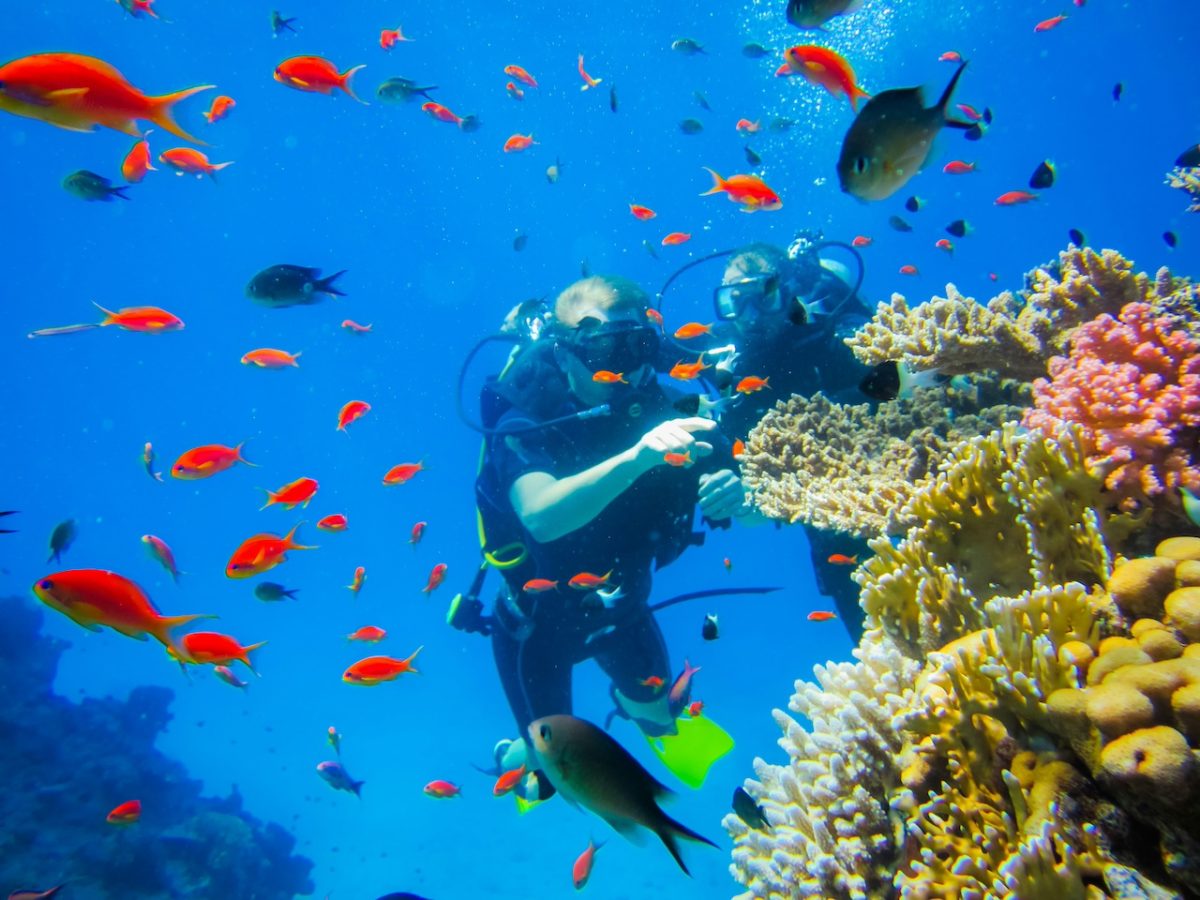
The diving community is reeling from a tragedy that unfolded in the remote waters of Vaavu Atoll, the Maldives' smallest administrative atoll. Five Italian nationals, all experienced underwater explorers, vanished during a cave diving expedition at depths that exceeded international safety limits. A sixth person would later die during the recovery effort, deepening the sense of loss.
The victims included Monica Montefalcone, a marine ecology researcher and associate professor at the University of Genoa known for her conservation work; her daughter Giorgia Sommacal; Federico Gualtieri, a marine biologist; Muriel Oddenino, a research scientist; and Gianluca Benedetti, a diving instructor. The group descended into cave systems approximately 50 meters below the surface, pushing past the 30-meter recreational limit that governs most diving operations in the archipelago and is standard across major certification bodies worldwide.
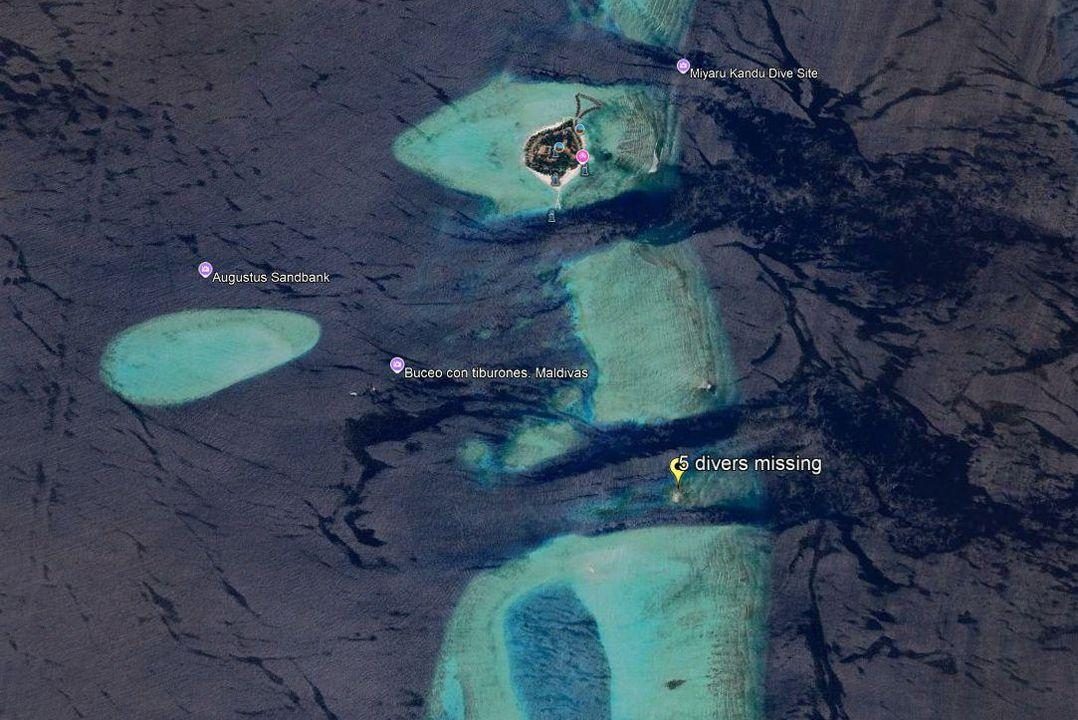
Located roughly an hour from the capital by speedboat (or three hours by traditional dhoni vessel), Vaavu Atoll sits in one of the world's most sought-after diving destinations. Yet what began as an underwater exploration mission became a cautionary tale about the boundaries between adventure and recklessness. The Italian tour operator Albatros Top Boat acknowledged that no special technical equipment required for extreme-depth diving had been brought on the expedition, and no formal permission to exceed safety thresholds had been obtained.
The underwater cave system consists of three large chambers connected by narrow, treacherous passages. When visibility drops during rough weather, these channels become labyrinths that have claimed lives before. Benedetti's body was recovered on Thursday, but finding the others proved exponentially harder. Rough seas and poor underwater visibility halted the search on Friday, a suspension that would prove grim when rescue operations resumed.
Mohamed Mahudhee, a staff sergeant with the Maldivian National Defence Force who was participating in recovery work, succumbed to decompression sickness while assisting the mission. He was rushed to a hospital in Malé but could not be saved. His death underscored how dangerous the underwater conditions had become. The search continued as the National Defence Force mobilized additional resources, and by May 17, three experienced Finnish divers arrived to help locate the remaining victims, believed to be trapped inside caves at depths reaching 60 meters.
Montefalcone's husband defended her expertise, noting she had completed over 5,000 dives throughout her career. He also vouched for Benedetti's professionalism, calling him meticulous in his safety checks. Yet even experience and caution can falter when operating beyond established safety protocols. The question now haunting the diving community is whether confidence in one's abilities should ever override industry-wide depth restrictions.
The incident arrives at a sensitive moment for the Maldives. The nation is set to host ITB Berlin in 2027, the world's largest travel trade show, and is working to expand its reputation beyond resort vacations. The country has been positioning itself as more than just a beach escape, embracing scientific tourism and marine research partnerships. This tragedy threatens that narrative, raising uncomfortable questions about oversight, regulation enforcement, and the price of pushing limits in one of Earth's most beautiful but unforgiving environments.
For travelers considering adventure diving in the Maldives or anywhere else, the incident serves as a stark reminder that technical skill and years of experience cannot replace caution. Safety limits exist because people have died learning why they matter. Roughly 20 other Italian travelers aboard the Duke of York vessel witnessed the unfolding crisis and are receiving counseling. Their presence aboard that boat, waiting helplessly as rescue efforts continued in deteriorating conditions, adds another dimension to this tragedy that extends far beyond the five divers who did not return to the surface.