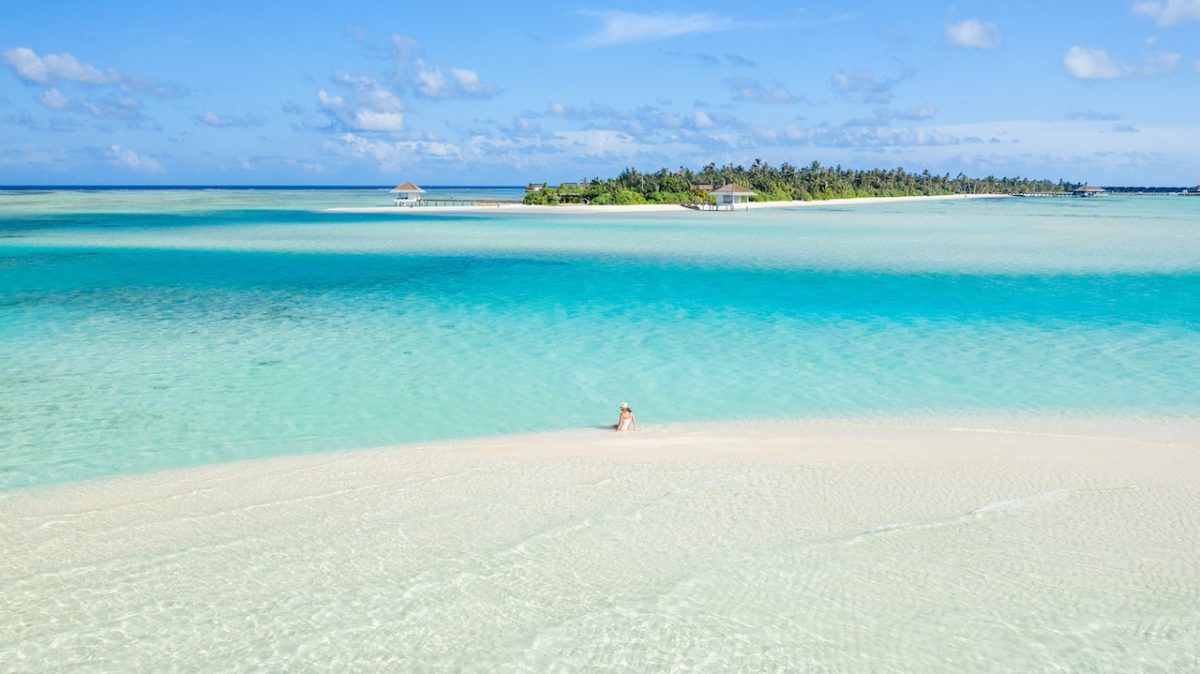
The Maldives spent the last fifty years perfecting the art of the tropical escape. White sand, turquoise water, bungalows built on stilts, and a hospitality industry that made two million travelers a year feel like they'd stepped into a postcard. It worked. By 2024, the country had become a well-oiled machine of luxury, with European visitors alone making up nearly 60 percent of all arrivals.
But something is shifting. The Maldives is no longer content to be simply a destination where you arrive, lounge, and leave. Instead, the archipelago is pursuing an ambitious new vision: a place where people might actually live, work, invest, and stay for reasons beyond a week of snorkeling.
From isolation to icon
The transformation has been staggering. Just decades ago, this nation of over 1,200 coral islands scattered across 26 atolls was isolated, remote, and economically struggling. The opening of Kurumba Resort in 1972 changed everything. It was the spark that lit a fire, turning a sleepy Indian Ocean archipelago into a global luxury powerhouse.
Today, the islands attract a staggering variety of travelers. Sure, ultra-rich tourists still book private island resorts with underwater spas and restaurants that seem pulled from science fiction. But more recently, over 1,200 guesthouses have opened on local inhabited islands, offering something radically different: the chance to experience actual Maldivian life, eat home-cooked meals, and see how island communities actually live. This isn't tourism theater. It's cultural exchange.
The infrastructure push
Getting people there and back smoothly just became a lot easier. A new passenger terminal at Velana International Airport, opening soon, will handle 7.5 million travelers annually. This isn't just about capacity. It signals that the Maldives expects to keep growing, and they're building the backbone to handle it.
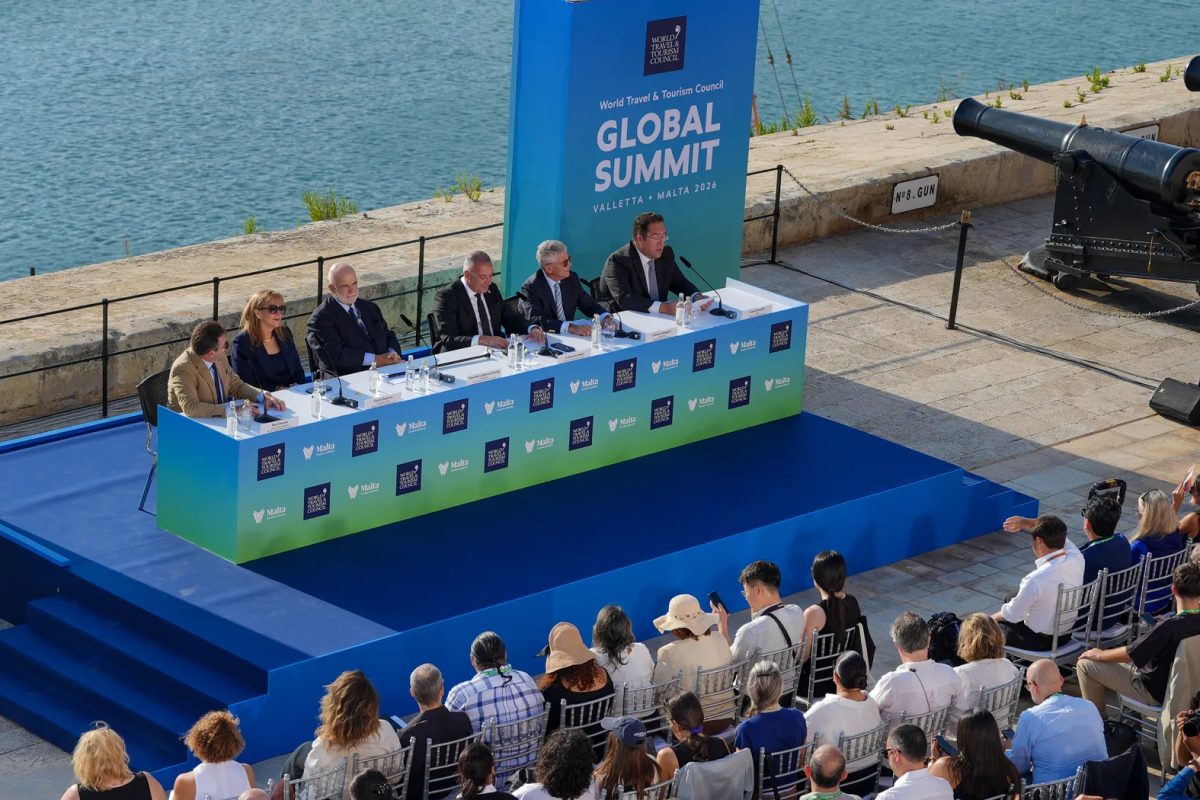
President Mohamed Muizzu has declared 2027 "Visit Maldives Year," a formal recognition that the country is entering a new chapter. The timing marks 55 years of tourism in the archipelago. Marketing teams have already activated aggressive campaigns at major travel industry conferences in Madrid and New York, signaling to investors and travelers that big plans are afoot.
The Ayla moment
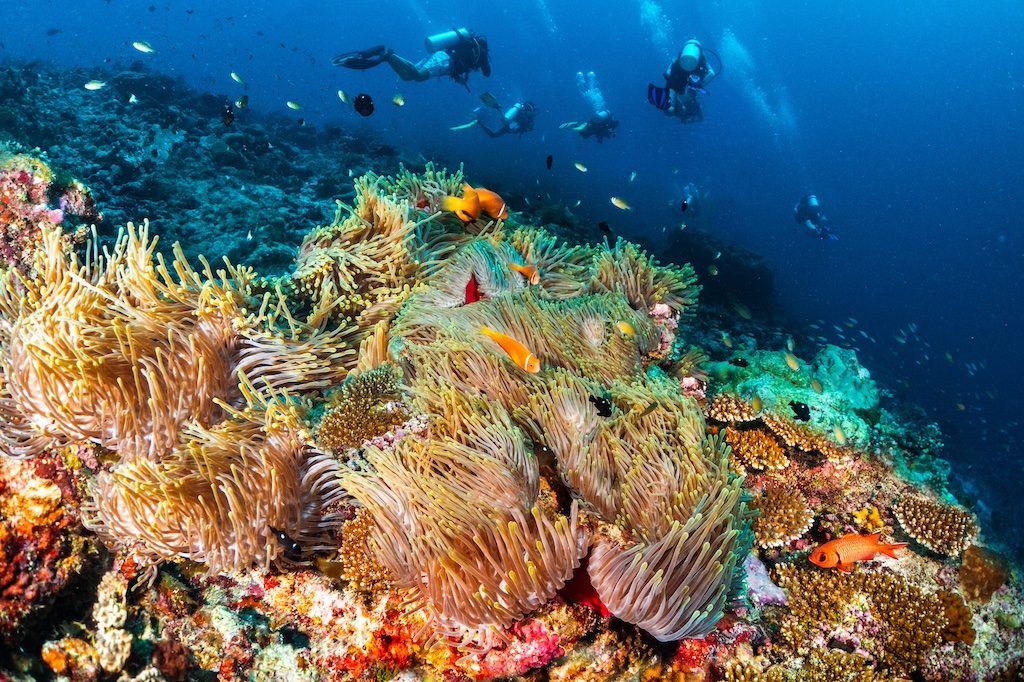
Here's where things get genuinely intriguing. Project Ayla, scheduled for completion in 2028, isn't just another resort. It's the Maldives' first sustainable township development, a bold experiment in reimagining what island living could look like. Luxury residences sit alongside an ultra-luxury resort, a marina, an international-standard hospital, and a hospitality school. The entire development will run on at least 60 percent renewable energy and integrate aquaculture and agriculture systems directly into the community.
This is the crucial detail: Ayla isn't meant to cater only to tourists. It's designed to appeal to people who want to relocate, to investors seeking long-term value, to professionals who want to live in a carefully engineered paradise. For the first time, the Maldives is positioning itself not as a place you visit, but as a place you could become part of.
Spreading the wealth
The leadership acknowledges something honest: for all the tourism boom, not all Maldivians have benefited equally. The guesthouses scattered across inhabited islands, the new sustainable developments, the renewable energy resorts pioneered here first (before anywhere else),these represent an attempt to broaden who gets to prosper from the industry.
For travelers, this shift means more options than ever. You can still book that overwater bungalow if you want it. Or you can stay in a family-run guesthouse where your hosts are your neighbors, not service staff. You can visit a resort powered entirely by the sun, or explore a developing township that's asking serious questions about what sustainable tourism actually means.
The Maldives isn't abandoning what made it famous. It's simply refusing to stay small. After fifty years of proving it could be the world's most beautiful beach destination, it's now asking: what else could we be?