There's something about a steam engine that makes time collapse. At 2,431 metres above sea level, on Switzerland's legendary Furka Pass, that magic feels especially potent. A dedicated crew of volunteers has spent decades restoring the historic railway that first opened here in 1926, and this year marks a full century of mountain rail adventure. The locomotives that once connected remote Alpine valleys are running again, carrying travelers through one of the most visually stunning corridors in Europe.
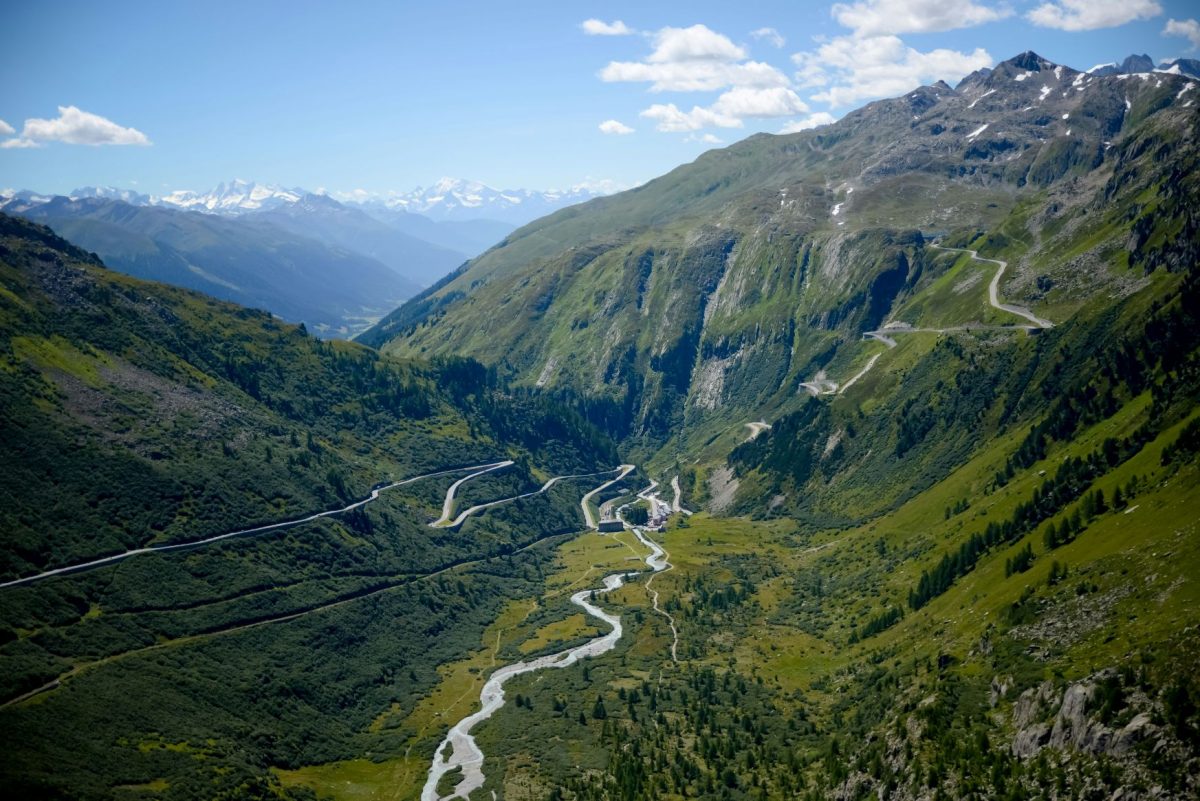
The Furka Pass itself is a masterpiece of engineering audacity. A serpentine road with hair-raising hairpin bends cuts across the mountainside, linking the canton of Valais to the canton of Uri. Film fans will recognize it immediately as the setting for one of cinema's greatest car chases. In the 1964 James Bond film "Goldfinger," Sean Connery's silver Aston Martin DB5 navigates this treacherous route while being pursued by Tania Mallet in a Mustang and a yellow Rolls-Royce Phantom III. It's the kind of scene that imprints itself on memory.
But these days, the real thrill on the Furka isn't about speed. It's about restoration and resilience. When a tunnel was completed in 1982, it rendered the mountain railway obsolete for commercial traffic. Instead of disappearing into history, the line found new purpose. Hundreds of railway enthusiasts (affectionately called "pioneers") took matters into their own hands, meticulously restoring tracks and vintage coaches that had been left to weather and time.
The first restored section reopened to visitors in 1992, but the real payoff came in 2010 when 18 kilometres of track were finally operational. The route now runs through terrain so wild and pristine that it feels like traveling through a painting: steep Alpine slopes, narrow gorges, and vistas that command silence. Passengers travel the metre-gauge rack railway between Realp and Oberwald during the summer months, and every journey feels like stepping into a museum that moves.
What makes this experience genuinely special is the attention to detail. The historic locomotives and period carriages are maintained by the same volunteer network that restored them. Nothing here is about cutting corners or automation. You're riding in machines that require human skill and knowledge to operate. On morning journeys, you can order coffee and croissants. Later in the day, the "SteamPub" opens with aperitif platters. A two-and-a-half-hour one-way ticket starts at around CHF46 (roughly €50), with food service options available from mid-July through mid-August.
The centennial celebration kicked off in early July with special exhibitions, commemorative train runs, and the kinds of storytelling sessions that only happen when a community has genuinely earned its pride. This isn't manufactured heritage tourism. This is what happens when people refuse to let the past disappear.
For travelers seeking experiences that move beyond the typical bucket-list itineraries, the Furka Pass railway delivers something rarer: authentic connection to how people once traveled, combined with landscapes so magnificent that they've inspired filmmakers and adventurers for generations. Whether you're a die-hard railway enthusiast or simply someone who appreciates places where human determination has triumphed over neglect, the restored Furka line offers something worth the climb.