The Europe of postcards and weekend getaways has collided with geopolitics. A powerful bloc of eleven nations, from Sweden to Poland, just fired off a formal letter to the European Union's top officials demanding that the bloc crack down on tourist visas for Russian citizens. The timing matters. Russia's ongoing war in Ukraine has become the invisible passenger on every flight from Moscow to Barcelona, every train ticket to Prague.
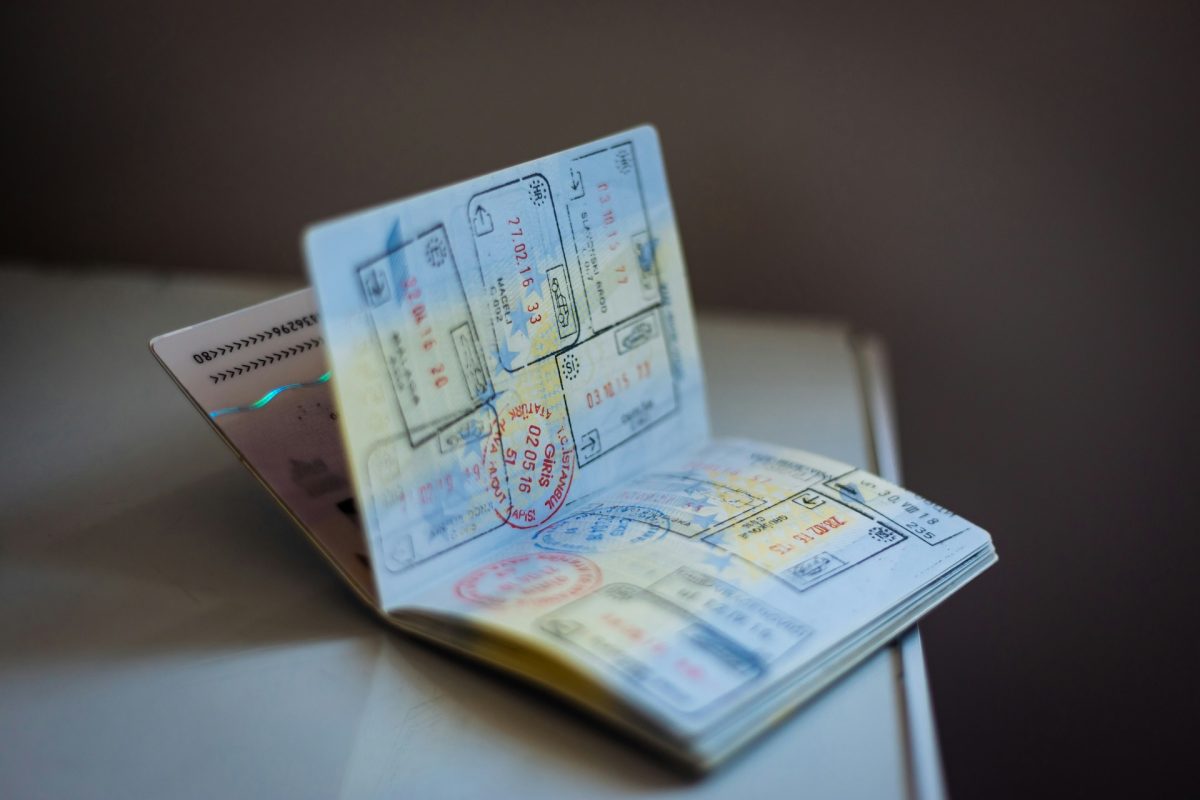
What triggered this push? The numbers. According to Schengen data, nearly 478,000 Russian tourists were granted visas for leisure travel in 2025, a jump from 441,000 the year before. While that might sound abstract, Swedish Migration Minister Johan Forssell put it bluntly: "It's insane, frankly speaking, that we are seeing hundreds of thousands of Russian tourists coming to Europe, enjoying sunshine. They are having weekend shopping trips, drinking rosé wine, while at the same time Ukrainians are dying on the battlefield."
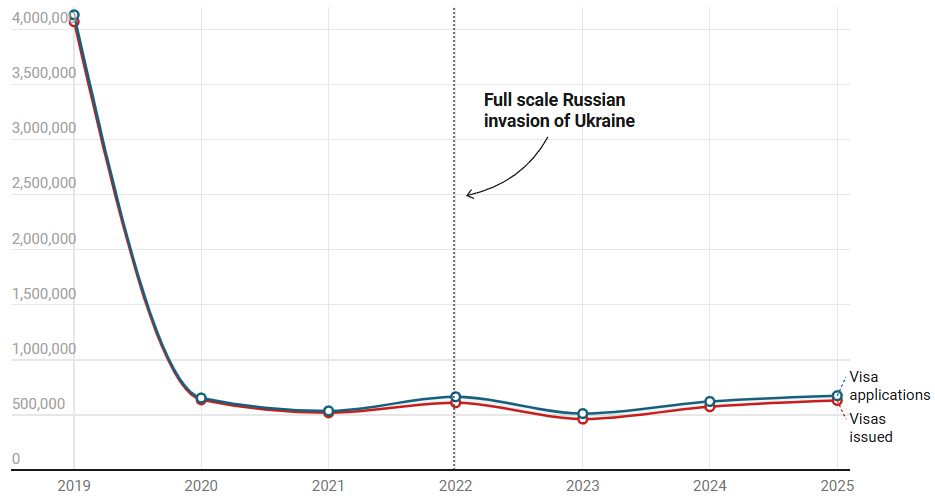
The letter, sent in June 2026 and signed by Sweden, Czechia, Denmark, Estonia, Finland, Latvia, Lithuania, the Netherlands, Poland, plus Iceland and Norway, zeroes in on a bigger problem. The EU did issue guidelines back in 2022 for handling Russian visa applications after the invasion. But here's the catch: member states ignore them at will. Some countries have stayed strict. Others have kept the doors open. This patchwork approach, the eleven nations argue, sends confused signals about where Europe actually stands.
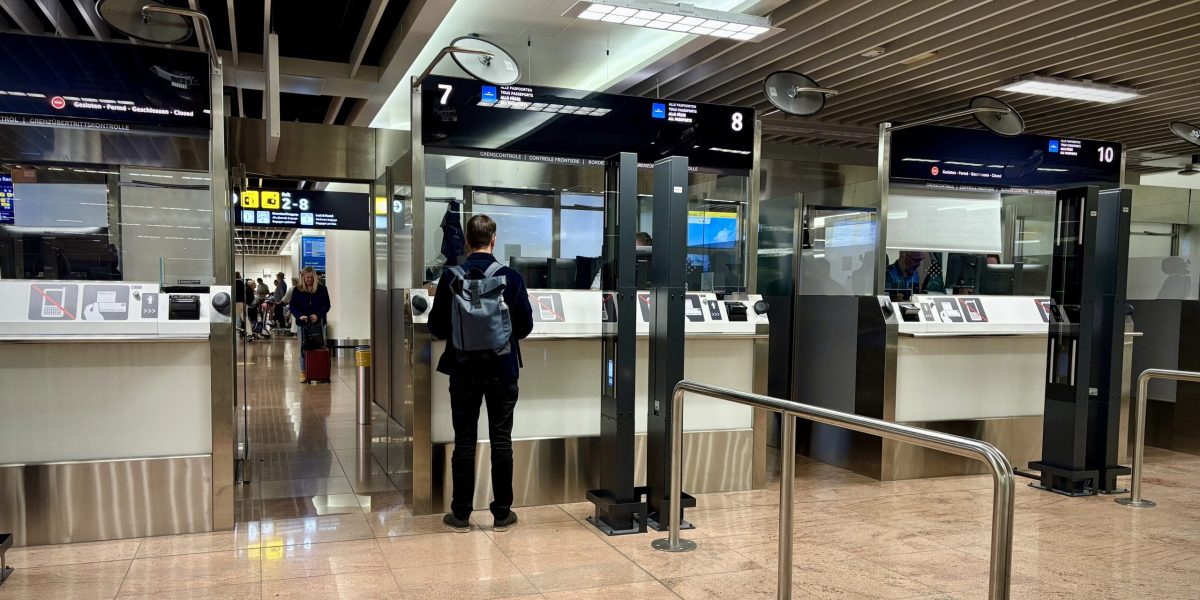
Beyond the messaging problem sits a real security concern. If visa rules vary wildly across the Schengen zone, a rejected applicant can simply try another country. And there is no unified way to track whether someone was ever a combatant. The letter specifically requests binding restrictions, tighter enforcement of existing rules, regular transparency reports on visa approvals, and a system to identify former military personnel.
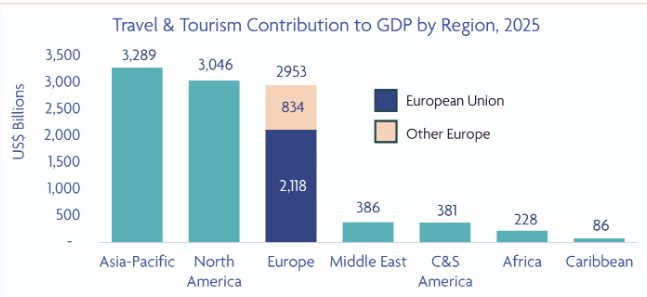
The uneven approach also creates what the signatories call an "economic inequality" problem. Countries that strictly limit Russian visas lose tourism revenue while neighbors that approve them freely gain it. This creates perverse incentives. Forssell summed up the frustration on June 4: "This situation is completely insane, and it needs to be stopped."
Moscow, predictably, has framed tighter visa rules as discrimination. Russian officials have previously accused European nations of anti-Russian hysteria and bias. But the eleven countries see something different: a geopolitical inconsistency that weakens European unity at a moment when that unity matters most.
The formal request landed just before a Justice and Home Affairs Council meeting in Luxembourg on June 4, though visa restrictions didn't make the official agenda. No decision was reached. Now these countries are waiting to see if the European Commission will pick up the issue and run with it, or if the fragmentary approach will persist. For travelers, this remains a gray zone. European border procedures have already become more complex in recent years, and this latest tension suggests further changes could arrive.
The real question hanging over this dispute: Can Europe maintain an open travel system while waging a proxy conflict through sanctions and restrictions? That answer will shape how Russian citizens, and perhaps others, move across the continent for years to come.