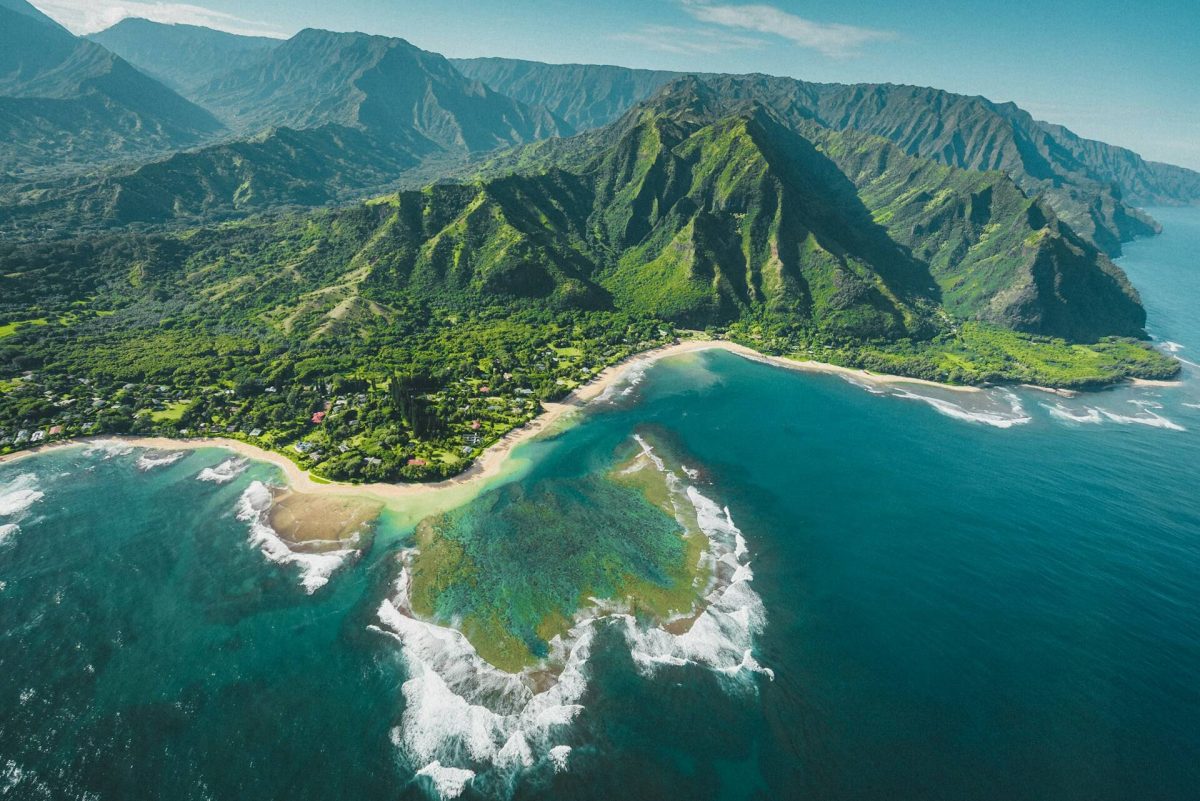
The postcard version of Hawaii goes something like this: a lei draped around your neck, a drink sweating in your hand, and zero responsibilities beyond deciding which beach to lounge on. But the islands are pushing back against that script. After years of overtourism, climate change pressures, and the devastating 2023 wildfires, Hawaii's tourism leaders are asking travelers to show up differently. Not just to consume the scenery, but to contribute to it.
Enter the Mālama Hawaiʻi program. Running for five years but now heavily promoted by the Hawaii Tourism Authority, this initiative flips the vacation model on its head. Instead of asking only what the islands can give you, it asks what you can give back. Mālama means "to give back" in Hawaiian, and the program's website functions like a marketplace for good deeds. You browse hundreds of volunteer opportunities, filter by date and activity type, then show up and get your hands dirty.
The numbers tell the story. At the time of writing, Maui alone listed 697 volunteer activities. Kauai had 341. Even smaller islands offered plenty of options. These aren't token gestures either. Real work awaits: beach cleanups, native tree planting, trail restoration, farm assistance, animal care, even teaching roles. Some activities require physical labor. Others involve office work or mentoring. The program matches volunteers by their abilities and what they hope to get out of the experience, whether that's meeting locals, getting exercise, or working alongside families.
Why Hawaii Changed Its Mind
The shift didn't happen in a vacuum. The strain of mass tourism on local communities had become impossible to ignore. Native Hawaiians watched their islands get reshaped by outside interests. Housing costs soared. Infrastructure groaned. The 2023 wildfires became a breaking point. Lawmakers responded by raising taxes on tourist accommodations and cruise bookings, funneling revenue into climate adaptation and community recovery.
Caroline Anderson, interim CEO of the Hawaii Tourism Authority, framed Mālama Hawaiʻi as an antidote to passive tourism. "It's easy for visitors to participate in enriching volunteer experiences, many of which you can only find in Hawaii," she told Travel + Leisure. Translation: You get something authentic. Hawaii gets something real.
You're Not the First to Try This
Destination marketing teams worldwide have started catching on. Copenhagen and Berlin now reward green travel behavior. Arrive by train? Free museum entry. Pick up litter around the city? Cafe credits appear on your account. Fiji launched its own program in 2025, called "Loloma Hour," built on the Fijian concept of generosity through love. Resorts and activity providers there commit to inviting guests to spend at least one hour of vacation time caring for land, ocean, and community. It's voluntary. It's achievable. It works.
The appeal crosses cultures because it taps into something travelers actually want. The Instagram-worthy sunset is great, but meaningful connection runs deeper. Volunteering creates that connection. You meet locals. You understand what matters to them. You leave knowing you didn't just visit a place, you improved it.
How to Actually Do It
The Mālama Hawaiʻi website makes participation simple. Select your island, choose your dates, and pick what calls to you. Want to teach? There are opportunities. Prefer physical work? Plenty available. Traveling with kids? Options exist. You can search by cause too: environmental restoration, cultural preservation, community support, or animal welfare.
What makes this different from voluntourism elsewhere is the depth of choice. 697 options on Maui means you're not forced into a generic, overbooked activity designed purely for tourists. You're picking something that genuinely needs doing. That distinction matters when you're trying to avoid becoming another vacation stereotype.
Hawaii's pivot toward meaningful tourism won't solve every problem the islands face. Tax increases and volunteer hours can't undo decades of extraction and neglect overnight. But it signals something important: tourist destinations can stop begging for visitors and start asking which visitors actually want to show up as stakeholders rather than just consumers. Hawaii is betting that enough travelers will choose to care. So far, the numbers suggest they're right.