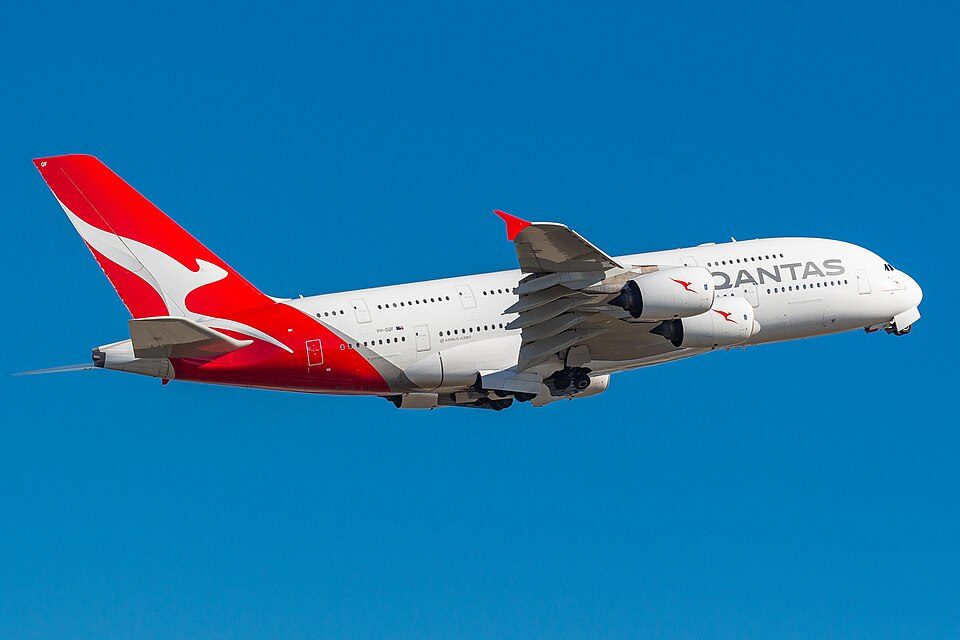
The Middle East fuel crisis has sent shockwaves through European aviation, triggering roughly two million flight cancellations since the end of April. Major carriers including Lufthansa and Aer Lingus have slashed routes as jet fuel supplies tighten. Yet here's what airlines won't tell you unless pressed: none of this erases your right to compensation.
On May 8, the European Union issued fresh guidance that landed like a gavel strike across the aviation industry. The message was unambiguous: passengers remain fully protected under EU law, regardless of geopolitical upheaval or fuel supply chaos. When geopolitics grounds your flight, know your rights. That means you're entitled to reimbursement, rebooking on another flight, a refund, airport assistance, and yes, cash compensation for last-minute cancellations.
Apostolos Tzitzikostas, the EU's Transport and Tourism Commissioner, didn't mince words when speaking to the Financial Times. "The price of jet fuel is the reason why we have cancellations," he said. "But if they cancel flights without extraordinary circumstances, jet fuel prices are not extraordinary circumstances. They will have to reimburse the people." Translation: claiming your fuel bill is too high doesn't get you off the hook.
The EU's rulebook on "extraordinary circumstances" is tight. Airlines can only dodge compensation if they prove the cancellation resulted from something genuinely beyond their control, like a local fuel shortage caused by external disaster. Expensive fuel? That's a business problem, not an act of God. High prices don't qualify. Some carriers bet big on fuel hedging to weather this storm, and others are simply absorbing losses. Ryanair, Europe's largest airline by passenger volume, said it hedged enough fuel to keep flying. Competitors made different choices.
The real-world impact has been brutal. Spirit Airlines shut down entirely, with observers pointing to the fuel crisis as a major accelerant. In Asia, AirAsia's Tony Fernandes called the situation "much worse" than COVID-19's damage to aviation. "I thought I'd seen it all with Covid," he told outlets. "But having seen jet fuel go up almost three times, this is much worse." The International Energy Agency warned that European fuel supplies could run dry within six weeks, heaping pressure on carriers already bleeding cash.
Yet Tzitzikostas and the Commission are holding the line. Despite the tight situation, they're not weakening passenger protections. "We have a tourist season ahead of us," the commissioner said. "We need to be careful with words we use and avoid causing panic." In other words, the EU is betting that clear, firm rules provide the stability the market needs right now, not exceptions that trigger panic booking.
Your summer flight just got way more expensive and harder to book, but that doesn't erase your protections. If your flight gets cancelled, document everything. Collect the airline's cancellation notice, book your alternative flight, and file for compensation immediately. Airlines must act within strict timeframes. Keep receipts for meals, hotels, and transport while stranded. Most EU carriers will fight you, so persistence and paperwork matter.
The bigger picture is that Europe's commitment to passenger rights has survived wars, pandemics, and now a regional fuel shock. Airlines will grumble. Some may fail. But traveler protections remain non-negotiable. If your next European flight disappears from the schedule, remember: high fuel prices don't excuse the airlines. The law is on your side.