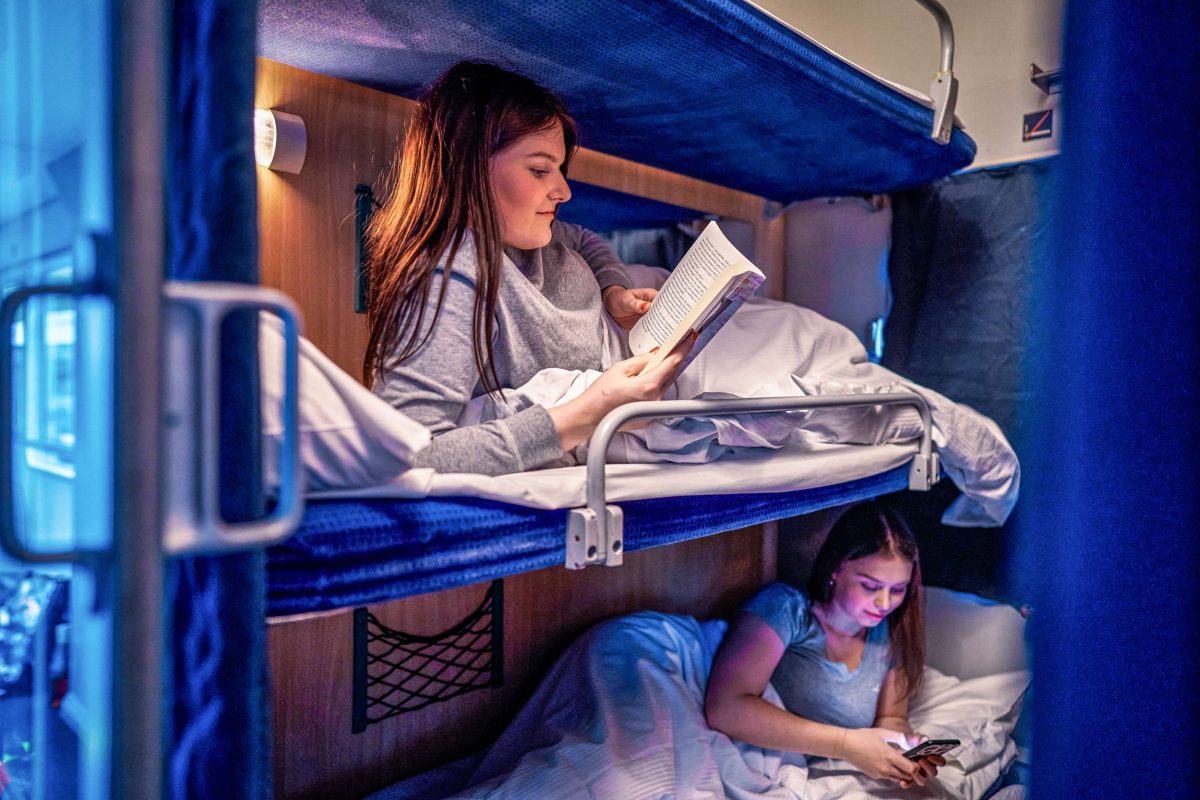
Something curious is happening on European rail lines after dark. Travelers are desperate to trade their flight bookings for sleeper cars, yet the trains themselves keep disappearing from the schedule. A fresh survey of 11,000 people by Hitachi Rail found that nearly half want to swap planes for trains in coming years, driven by climate concerns and the simple appeal of sleeping through a journey instead of sitting in an airport. But the rail networks haven't quite caught up with this hunger.
Enter the 2026 interactive map from Back-on-Track.eu, a new tool that maps the entire European sleeper train landscape. The database catalogs roughly 205 regular overnight routes with booking guidance and practical details, making it the most complete snapshot of where you can actually board a night train across the continent. For travelers hunting for alternatives to short-haul flights, this map is now essential reading.
The New Routes Arriving
The good news first. Five fresh connections have been stitched into the network for 2026. The European Sleeper now runs Paris to Berlin. A brand-new Brussels to Milan service will launch, filling a significant gap in the middle of Europe. Poland's PKP rail operator is adding links from Poland to Prague and Munich, strengthening central European options. Even Finland is getting in on the action, with a new Helsinki to Kolari route added to the mix. These aren't huge numbers, but they signal that some corners of Europe still believe in sleeper trains.
The Routes Disappearing
The bad news is sharper. Around ten lines have vanished or been slashed. ÖBB Nightjet, Austria's sleeper operator, has cut multiple services. The Stockholm to Narvik route, which covered 1,456 kilometers and ranked among Europe's longest night train journeys, is gone. Bulgaria, Romania, and Croatia have all lost services. Even some shortened routes hurt, like Bratislava to Split, which no longer departs from Bratislava itself. For travelers in those regions, it's a step backward.
This simultaneous boom and bust reveals a deeper fracture in European rail. Demand is soaring. Short-haul flights still multiply despite passenger preference for rail alternatives. Yet the infrastructure, rolling stock, and investment simply aren't matching the appetite. It's a textbook mismatch between what people want and what transport systems can deliver, and night trains have become the clearest example of this gap.
Why the System Keeps Struggling
Juri Maier, a key figure behind the Back-on-Track map, points to one culprit: insufficient investment in trains and tracks. Modern sleeper designs could ferry up to 750 passengers per journey, making routes economically stronger. But without serious funding, those innovations remain blueprints. Add in the rail maintenance work sprawling across Europe, which disrupts schedules and makes overnight services harder to coordinate, and the expansion becomes nearly impossible.
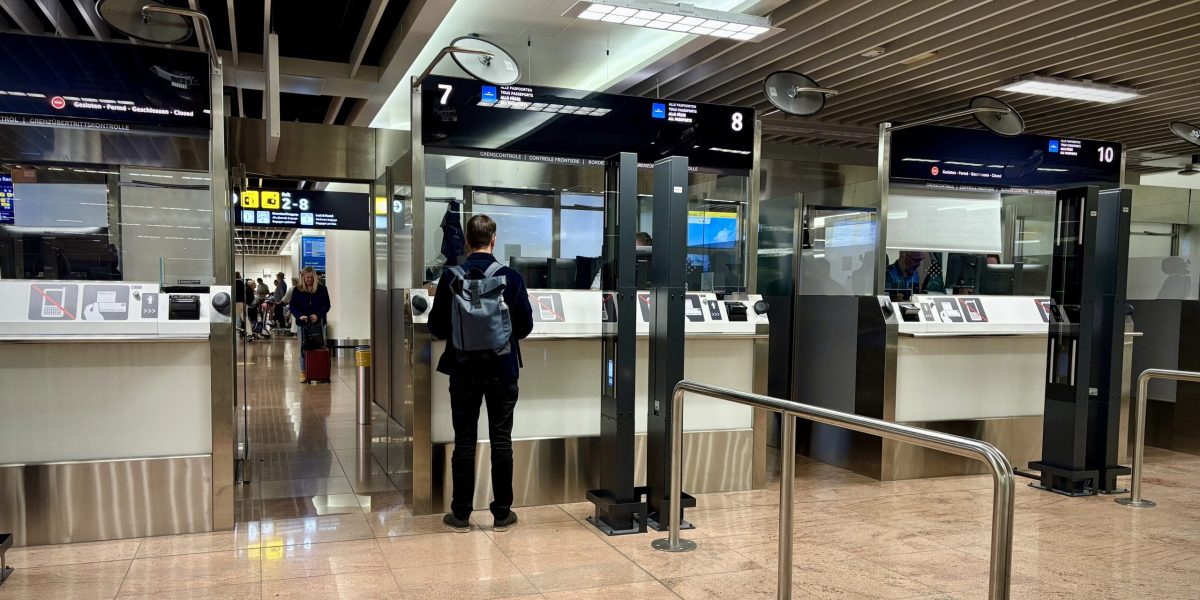
Some travelers frustrated by border delays have discovered that pack an extra hour at European airports due to new entry systems, making the train option even more attractive. Yet the very infrastructure improvements that could ease cross-border rail travel aren't expected until around 2032. The Brussels to Milan route, mentioned earlier, faces particular headaches since it crosses Switzerland, a country with its own regulatory quirks.
Looking Ahead
The 2026 map captures a system in transition, neither fully expanding nor fully retreating. That Brussels to Milan service could prove transformative if it launches successfully, addressing a real void in the current web. But whether these ambitions materialize depends on whether Europe's governments and operators finally commit real money to sleeper trains. Right now, the map tells an honest story: interest exists, some growth is happening, but the system is still fighting against its own constraints.
For now, the map from Back-on-Track.eu remains the most reliable guide to which night trains actually exist and how to book them. Check it before your next European road trip, but don't be shocked if the landscape looks different by next year.