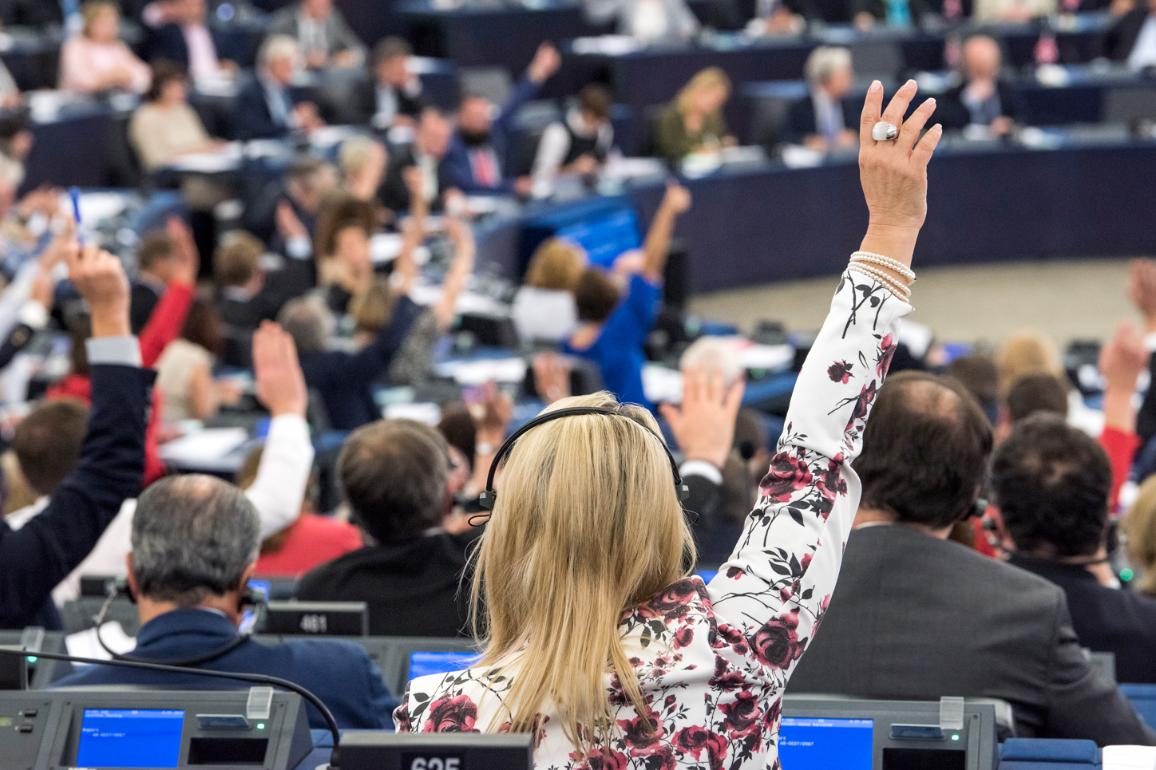
The European Parliament has thrown its weight behind a bold rethink of how tourism operates across the continent. On Tuesday, lawmakers voted 439 to 42 (with 129 abstaining) to reshape the tourism industry ahead of the European Commission's upcoming sustainable strategy. What they're proposing could fundamentally change where travelers go and how they get there.
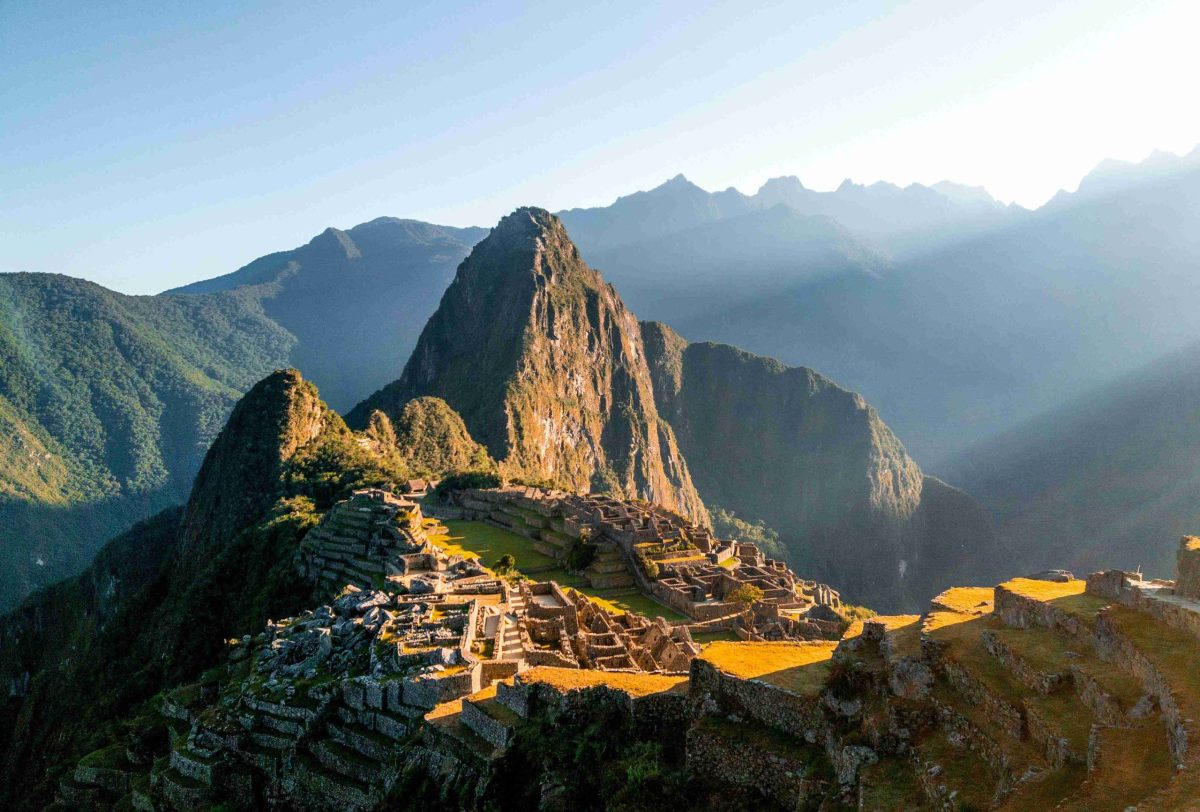
The numbers tell a troubling story. About 80% of the world's visitors flock to just 10% of destinations. For Europe, this means Barcelona's Gothic Quarter is packed shoulder-to-shoulder while dozens of underrated regions struggle to attract even a fraction of those crowds. Venice floods with cruise passengers each summer. Prague's Old Town Square feels less like a historic plaza and more like a theme park queue. Meanwhile, some of Europe's most compelling destinations, from rural wine regions to mountain towns to coastal villages, watch the tourism gold rush happen elsewhere.
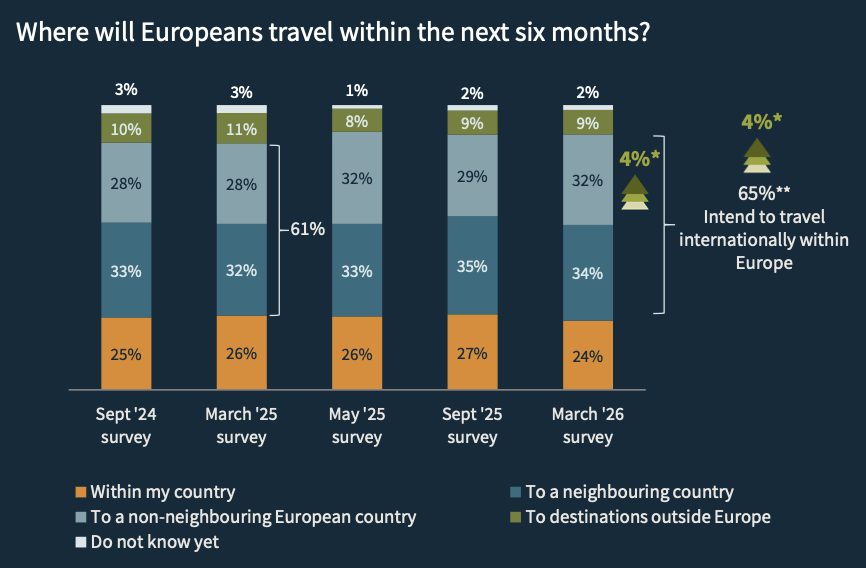
The Parliament's resolution calls for redirecting travelers toward emerging and remote destinations. The strategy goes beyond just marketing Tuscany alternatives. Lawmakers suggest leaning into gastronomy tourism, wine and beer experiences, heritage walks, cycling routes, and regenerative travel programs as hooks to pull visitors away from the peak-season mobs. This approach offers a win-win: destinations that need tourist revenue get it, and travelers who want something beyond the guidebook-famous sights find exactly that.
Getting There Is Half the Battle
A great mountain town means nothing if the nearest airport is three hours away or the train service ran once a day in 1987. That's why Parliament identified connectivity as the backbone of this entire plan. They're pushing the European Commission to fund better air, sea, and land links to destinations people can't easily reach right now.
The specifics matter. They want support for electric vehicle infrastructure and charging networks. They're calling for more cross-border night trains (a concept that Europe is moving toward with high-speed rail expansion by 2040). Most ambitiously, they want a unified ticketing system that covers rail, air, and maritime travel across the continent, so you could book a train from Berlin to a small Czech town the same way you'd book a flight.
The Short-Term Rental Problem Nobody Talks About Quietly Anymore
While spreading tourism pressure around sounds nice in theory, there's a darker side: Airbnb and similar platforms have hollowed out city centers. Long-term residents get priced out. Neighborhoods lose their soul when every third building is a vacation rental. The Parliament welcomes new EU rules on short-term rentals but wants them tougher. They're pushing for a new framework that lets member states cap visitor nights, require authorization to operate a rental, or create zoning restrictions.
This isn't anti-tourism. It's pro-community. A Barcelona resident should still be able to find affordable housing in their own city, even if tourism booms.
Making Tourism Work for People Who Work in Tourism
Here's something the luxury travel magazines rarely mention: Europe's tourism sector is desperately short on staff. Hotels can't find housekeeping crews. Restaurants struggle to hire kitchen workers. Guides are stretched thin. Parliament proposed a tourism skills card that would let workers track training, qualifications, and professional experience across borders, making it easier for someone skilled in Vienna to work in Lisbon without red tape.
They also highlighted the crucial role cultural volunteers and local organizations play in keeping Europe's heritage alive and accessible. The call to encourage more participation in cultural volunteering recognizes that tourism isn't just about hotels and restaurants. It's about preserving what makes places worth visiting in the first place.
The Money Problem
Here's the awkward part: tourism accounts for roughly 10% of EU GDP and employs millions of people, yet the upcoming EU budget doesn't include a dedicated tourism program or funding line. The Parliament called this out directly. You can't ask an industry to transform itself without giving it the resources to do so. It's like asking someone to renovate their house while refusing to open the budget spreadsheet.
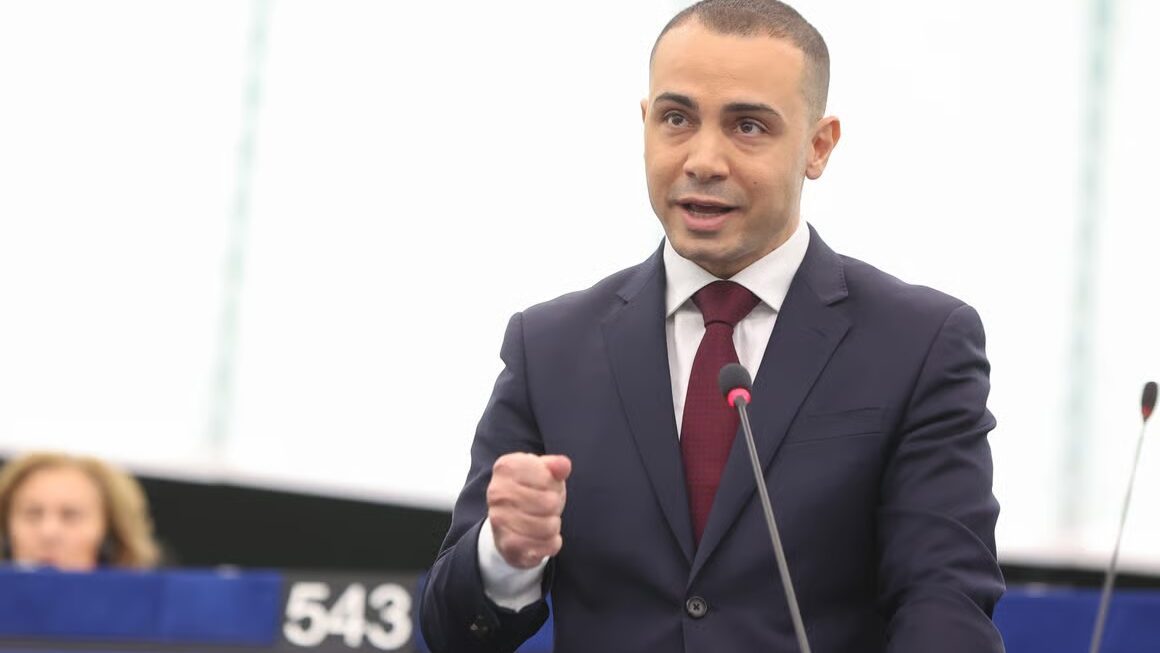
Daniel Attard, the Parliament's rapporteur on the file, called the vote a strong signal to the Commission. "It will help spread tourism more evenly across regions, improve connectivity, support better work conditions, protect the environment, preserve our identity, and call for fair rules on short-term rentals across Europe," he said.
The European Commission will unveil its own sustainable tourism strategy in the coming months. If they take Parliament's cues seriously, travelers may soon find that the most rewarding European experiences aren't the ones that were already famous when you booked your trip.