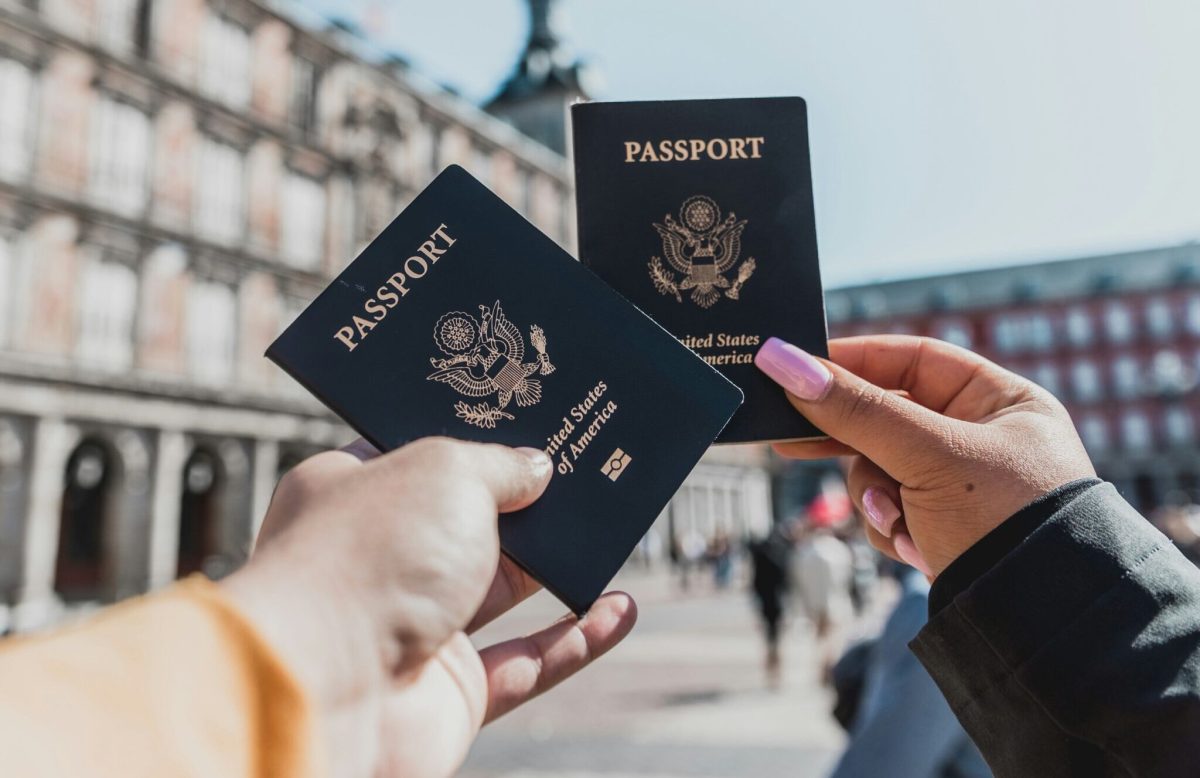
The idea of owning two passports used to feel like something only spies and billionaires could pull off. Today, it's remarkably straightforward if you have the cash. More than a dozen countries now run official citizenship by investment (CBI) programs, allowing wealthy individuals to essentially purchase a new national identity by making a financial contribution to the government. Whether it's funding a development project, buying real estate, or donating to a national fund, these schemes have evolved from niche offerings into a full-fledged global industry worth billions.
The concept is younger than you might think. St. Kitts and Nevis, a small Caribbean island nation, launched the world's first official citizenship program in 1984 as a creative way to boost government revenue. The strategy worked so well that other Caribbean nations quickly followed suit. Today, Antigua and Barbuda, Dominica, Grenada, and Saint Lucia all offer similar programs. For island economies that depend heavily on tourism and limited exports, selling citizenship has become a reliable income stream. Best of all for applicants, most programs don't require you to actually live in the country, making them perfect for people who just want more travel flexibility without uprooting their lives.
The Caribbean's Friendly Terms
The Caribbean remains the most accessible entry point for second citizenship. In St. Kitts and Nevis, you can qualify with a donation of around $250,000 (roughly 231,000 euros) or by investing in approved real estate starting at $325,000. Antigua and Barbuda offers similar options, with donations beginning at $230,000 or property investments from $300,000. Dominica, Grenada, and Saint Lucia provide comparable pathways, often with minimal residency requirements once you've completed your investment. These programs are among the most established and tend to have straightforward application processes, though don't expect to skip the background checks. Governments want your money, but they also want to know you're not wanted by Interpol.
Beyond the Islands
The global market for second citizenship extends far beyond the Caribbean. Turkey sweetens the deal with relatively low barriers to entry: invest at least $400,000 in real estate or deposit $500,000 in a Turkish bank account for a set period, and citizenship is yours. In the Pacific, Vanuatu offers one of the world's most affordable options, with donations starting around $130,000, making it genuinely appealing for middle-class investors. Egypt provides multiple pathways, including a $250,000 donation or larger investments in property or business ventures. Countries like Jordan ($1.4 million), North Macedonia (roughly 200,000 to 400,000 euros), and Cambodia ($245,000 to $305,000) run their own versions, each with distinct rules and holding periods for your assets.
The real payoff of a second passport comes down to travel freedom. According to the Henley Passport Index, citizens of Singapore, Japan, and most European Union countries can enter the highest number of destinations without a visa. That's a massive advantage over passports from countries with fewer global agreements. For people from nations with limited travel access, a second citizenship can literally open the world. Beyond pure convenience, many applicants value the security of having a backup plan during uncertain times. But here's the reality: the actual benefits depend entirely on which country's passport you're buying.
The Security Crackdown
These programs haven't escaped controversy. Years ago, concerns surfaced about criminals using citizenship schemes to evade international law enforcement or gain easier access to wealthy countries. Governments responded by tightening rules and intensifying background checks. Some European countries have even shut down their programs entirely, drawing a hard line against what they see as selling national identity. The result is a more transparent but considerably more complex landscape. Countries that want to keep their programs alive must now meet stricter international standards to maintain visa-free agreements with other nations. It's made the entire process slower and more rigorous than it once was.
The citizenship-for-sale market continues to expand, though it's undergoing real changes. Prices are climbing, and governments are vetting applicants more carefully than ever. Still, demand from wealthy individuals seeking mobility and tax flexibility remains robust. If you're considering this path, understand that it's not a casual decision. The upfront costs are substantial, and long-term value depends entirely on your personal goals. Are you planning to actually live abroad? Do you need visa-free access to specific regions? Will you use the passport for travel, relocation, or simply as a financial insurance policy? These questions matter far more than the price tag.