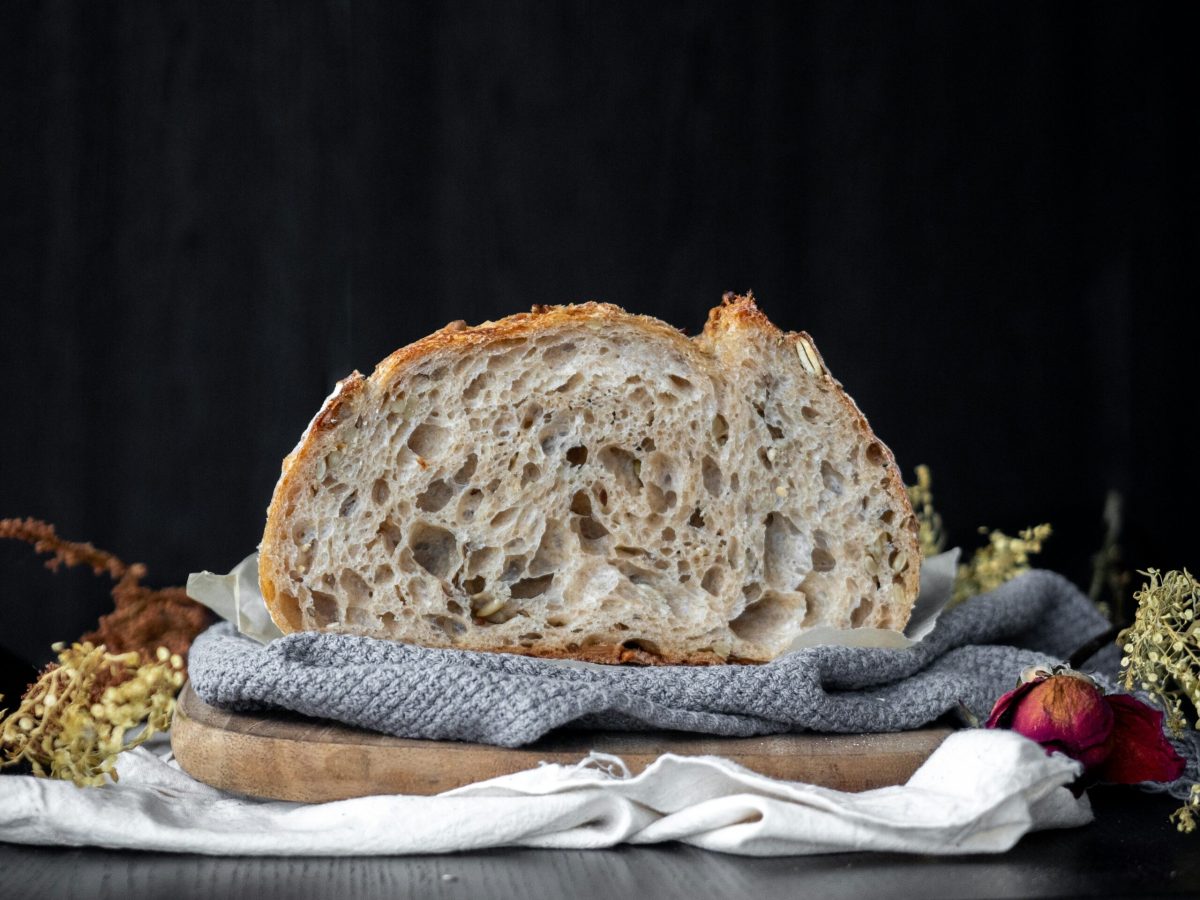
In a city where a slice of pizza can set you back five bucks, a $60 loaf of bread sounds like a typo. But at Rye, a tiny bakery on Lafayette Street in Manhattan's SoHo, that's exactly what they're charging for a 1.5-kilogram round of 100% rye sourdough. And people are lining up to argue about it.
The bakery, opened by Austrian baker Martin Auer, keeps things deliberately simple. The loaf contains just three ingredients: organic rye flour imported from Austria, water, and salt. Time is the fourth, according to co-owner Tim Auer, who defends the price by pointing to the cost of importing flour, the prime Manhattan rent, and a production process that stretches over days. The $60 price tag covers a whole loaf, but you can also buy a half for $30 or a quarter for $15, which makes it almost approachable.
Here's where it gets sticky. The same bread, baked by the same family in Austria, sells for around €13 in Graz and €14 in Vienna. That's a markup of more than four times for the New York version. The Guardian crunched those numbers, and the internet did what it does best: it picked sides. Some call it a rip-off, others call it a masterpiece of craft. The debate has turned Rye into a destination, with tourists and locals alike stopping by just to see the bread that broke the internet.
Rye isn't alone in this premium game. Parisian bakery Poilâne sells its famous sourdough for just under €15 in Paris, but New Yorkers pay around €42 for the same loaf. In Japan, luxury white strawberries can go for €10 a piece at exclusive fruit shops. These aren't just groceries, they're status symbols. Premium positioning is a marketing strategy that leans on rarity, heritage, and storytelling to make everyday foods feel special.
And it works, at least for some. Research from NielsenIQ, cited by Business Traveller, found that fewer than a third of global consumers think high prices alone make a product premium. Instead, 54% say exceptional ingredients or materials are what matter. That means the story behind the bread, the Austrian flour, the slow fermentation, the hands that shaped it, can be worth more than the flour itself.
Social media has poured gasoline on this fire. A $60 loaf is inherently shareable, whether it's a photo of the golden crust or a rant about gentrification. Rye's Instagram feed is full of close-ups and bakery shots, and every post seems to reignite the conversation. The controversy has become free advertising, turning a small bakery into a global talking point.
But not everyone is buying it. Critics argue that no loaf of bread, no matter how artisanal, should cost more than a week of groceries for some families. They see it as a symbol of how food culture has drifted into absurdity. Supporters counter that you're not just paying for bread, you're paying for an experience, a taste of Austrian tradition in the middle of SoHo.
For travelers, Rye offers a curious pit stop. You can grab a quarter loaf for $15 and decide for yourself. Pair it with a walk through SoHo's cobblestone streets, and you might understand the appeal. Or you might just laugh and head to a deli. Either way, the bread has done its job: it made you think.
This isn't just about bread, though. It's part of a bigger trend where food becomes a luxury good, and the experience matters as much as the taste. From Georgia's ancient bread and wine traditions to Angola's tourism ambitions, the story of what we eat is always tied to where we are and what we value. So next time you see a $60 loaf, ask yourself: are you buying bread, or buying a story?