The Middle East conflict has sent shockwaves through the global aviation industry, pushing fuel costs to punishing levels and forcing most airlines to raise ticket prices dramatically. Yet somewhere in this chaos, a sliver of good news exists for budget travelers planning trips within Europe.
Flight data from FlightsFinder.com reveals something counterintuitive: while carriers scramble to offset skyrocketing jet fuel expenses, a select group of budget airlines are actually cutting fares on popular intra-European routes. Ryanair, Wizz Air, and EasyJet have all trimmed prices on key connections, with discounts ranging between 10 and 30 percent on routes like London to Nice, Palma, and Barcelona.
Why the Disruption Hit So Hard
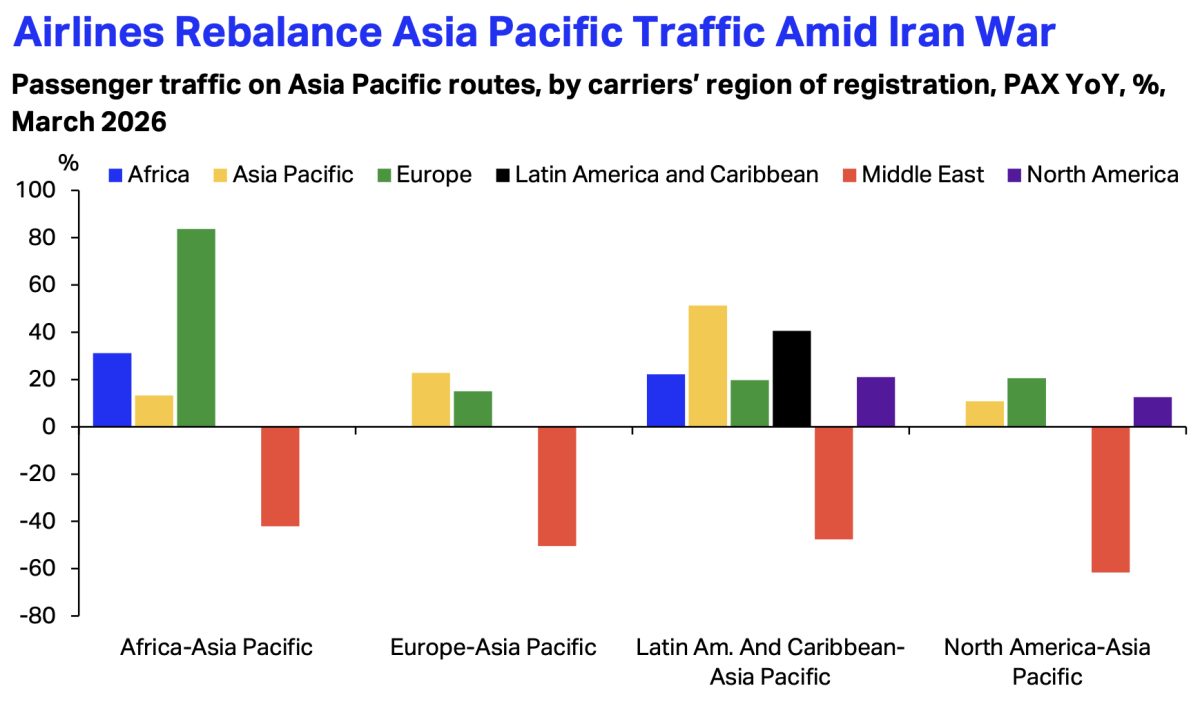
The conflict has created a domino effect across the airline industry. Major Middle Eastern hubs like Doha and Dubai, which typically serve as crucial connection points, have become riskier to use. Airlines now route flights around the conflict zone, extending travel times and burning more fuel. Jet fuel costs have surged as a result, and since fuel typically consumes between a third and half of an airline's operating budget, the impact ripples straight to ticket prices.
Long-haul flights between Asia and Europe have been hit hardest. Some fares have nearly tripled since the conflict began. These routes rely heavily on Middle Eastern shortcuts, so their diversion costs are astronomical.
The Budget Carriers' Gambit
So why are budget airlines swimming against the current? According to FlightsFinder.com founder Shahab Siddiqui, they're trying to maintain demand in an uncertain market. By dropping prices now, they hope to lock in bookings before travelers delay purchases or switch to alternative transport modes like trains or buses.
"Our fare history shows a steady decrease in price over the last few months," Siddiqui explained. The strategy relies on fuel hedging agreements, which allow airlines to purchase jet fuel at fixed prices before markets spike. But here's the catch: those agreements are temporary.
A Ticking Clock on Your Savings
These price cuts have an expiration date. The hedging contracts that make discounted fares possible are set to expire in the latter half of 2026. Once they do, expect prices across intra-European routes to climb back up. Airlines will lose their cushion against volatile fuel costs and will need to pass those increases to passengers.
"These agreements are set to expire in the latter half of this year, which is expected to trigger a universal price surge across all intra-European routes," Siddiqui told Europe in Motion.
If you're planning a European getaway, the message is clear: book now or risk paying significantly more later. Summer vacations, autumn city breaks, whatever your timeline, purchasing tickets while these discounts exist makes financial sense.
The Catch (There's Always a Catch)
Not every route or carrier is offering relief. EasyJet, for instance, announced it would actually increase its minimum ticket prices despite the broader discounting trend. The budget airline reported a £552 million loss for the first half of 2026, making it 40 percent worse than the same period last year.
Still, Chief Executive Kenton Jarvis expects the carrier to recover through summer bookings. Budget airlines traditionally operate at losses during winter months, then turn profits when summer demand peaks. This year, EasyJet's summer bookings are running 2 percent below 2025 levels, but many passengers are holding off until the last minute due to market uncertainty. That could change as travel dates approach.
The lesson here extends beyond just finding the cheapest ticket. It's a reminder that in the travel industry, timing and luck intersect constantly. As more travelers pivot toward regional trips and avoid long-haul routes, the dynamics of European airfare continue shifting. For now, those looking to explore Europe's cities and coastlines have a rare window to save significantly. That window is closing.