The waiting is over. After more than twenty years of back-and-forth negotiations, the European Union and Kazakhstan have inked a landmark aviation agreement that fundamentally rewires how airlines can operate between the two regions. Think of it as the air travel equivalent of unlocking a door that's been jammed for decades.
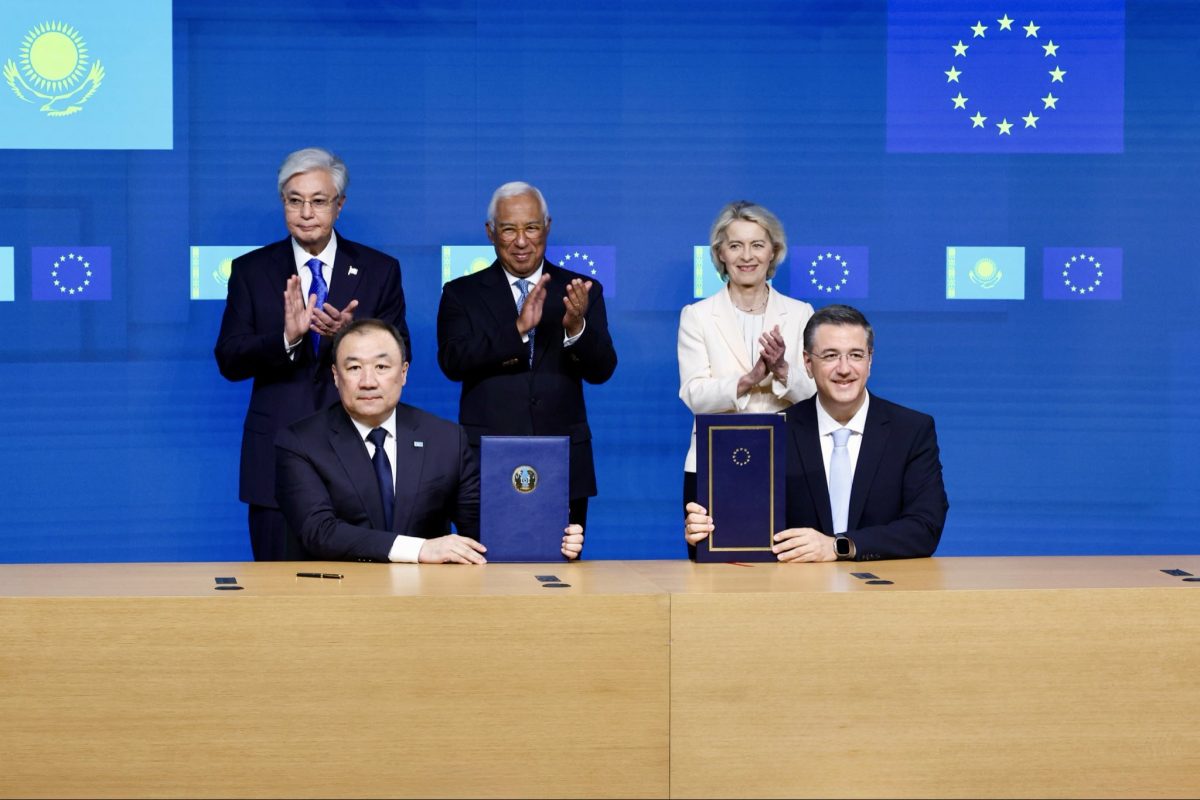
The deal, formally called the Horizontal Aviation Agreement, was signed in Brussels on June 23, 2026, with European Commission President Ursula von der Leyen and European Council President António Costa looking on. What sounds like bureaucratic theater actually means something real for travelers and the airlines serving them: any EU airline can now operate flights between Kazakhstan and 17 EU member states that previously held bilateral agreements with the Central Asian nation.
Why This Matters More Than It Sounds
Until now, route access was heavily restricted. If you wanted to fly from Paris to Astana, you basically needed a French airline doing it, or a Kazakh carrier doing the reverse. Other European carriers were locked out. This created a bottleneck that kept prices higher and options fewer. The new agreement smashes that model. Now any carrier from Austria, Belgium, Bulgaria, Cyprus, Czechia, Denmark, Estonia, Finland, France, Germany, Hungary, Latvia, Lithuania, Luxembourg, the Netherlands, Poland, or Sweden can operate these routes.
What does that mean for you? More flights. Better prices. More competition driving service improvements. The kind of ripple effects that cascade through the travel industry when real barriers fall away. Similar shifts in other regions have shown how aviation liberalization creates genuine change in how people move between continents.
European Commissioner Apostolos Tzitzikostas called it what it is: a major milestone. "This reflects our shared commitment to strengthening cooperation and bringing our people and economies closer together," he said after signing. The agreement will support growth and investment on both sides of the negotiating table.
Part of a Bigger Strategic Shift
The aviation deal didn't happen in isolation. President Kassym-Jomart Tokayev's visit to Brussels brought a whole package of agreements aimed at deepening ties between Europe and Kazakhstan. There's a 150 million euro loan from the European Investment Bank to upgrade the Trans-Caspian Transport Corridor. New cooperation on critical raw materials. Visa facilitation measures that will make it easier for Kazakh citizens to get short-stay visas to the EU.
The EU remains Kazakhstan's largest trade and investment partner, accounting for roughly one-third of the country's external trade. That economic muscle is growing. During a business roundtable held alongside the leaders' meetings, Kazakhstan announced plans to acquire up to 50 Airbus aircraft, a deal that underscores the expanding commercial relationship between Europe and Central Asia's largest economy.
What Happens Next
The agreement now moves into internal ratification procedures on both sides before it can fully enter into force. That's standard diplomatic procedure, but it means the actual operational benefits won't arrive overnight. However, the momentum is real, and the framework is locked in.
This agreement builds on the Enhanced Partnership and Cooperation Agreement that entered into force in 2020, and follows the first EU-Central Asia Summit held in Samarkand in 2025, where both sides formally elevated their relationship to a strategic partnership. What you're seeing is a region that's becoming more connected to Europe, with fewer barriers between them.
For travelers with curiosity about Central Asia and the routes connecting it to Europe, this is genuinely significant. Kazakhstan sits at a crossroads between east and west. Its capital, Astana, has transformed into a modern hub with real ambitions. Better air connectivity means more options, easier connections, and potentially new city pairs that airlines weren't willing to serve under the old restrictive framework. When major markets open up their aviation sectors, opportunity tends to follow. This deal represents exactly that kind of opening.