
Airbnb has decided that booking a room is no longer enough. The travel giant is now moving aggressively into territories it never touched before, transforming itself from a lodging app into what amounts to a full-service travel command center.
The shift is substantial. Users in 160 cities globally can now pre-book airport transfers through Welcome Pickups with a 20% discount baked in. Need groceries waiting when you arrive? Instacart delivery is available in 25 US cities, timed to coincide with your check-in. Luggage storage at more than 15,000 locations worldwide via Bounce handles the physical clutter. And come summer 2026, the app will recommend rental cars tailored to your trip and group size, offering 20% credit toward future stays or experiences for first-time bookings. This isn't incremental growth. This is mission creep with purpose.
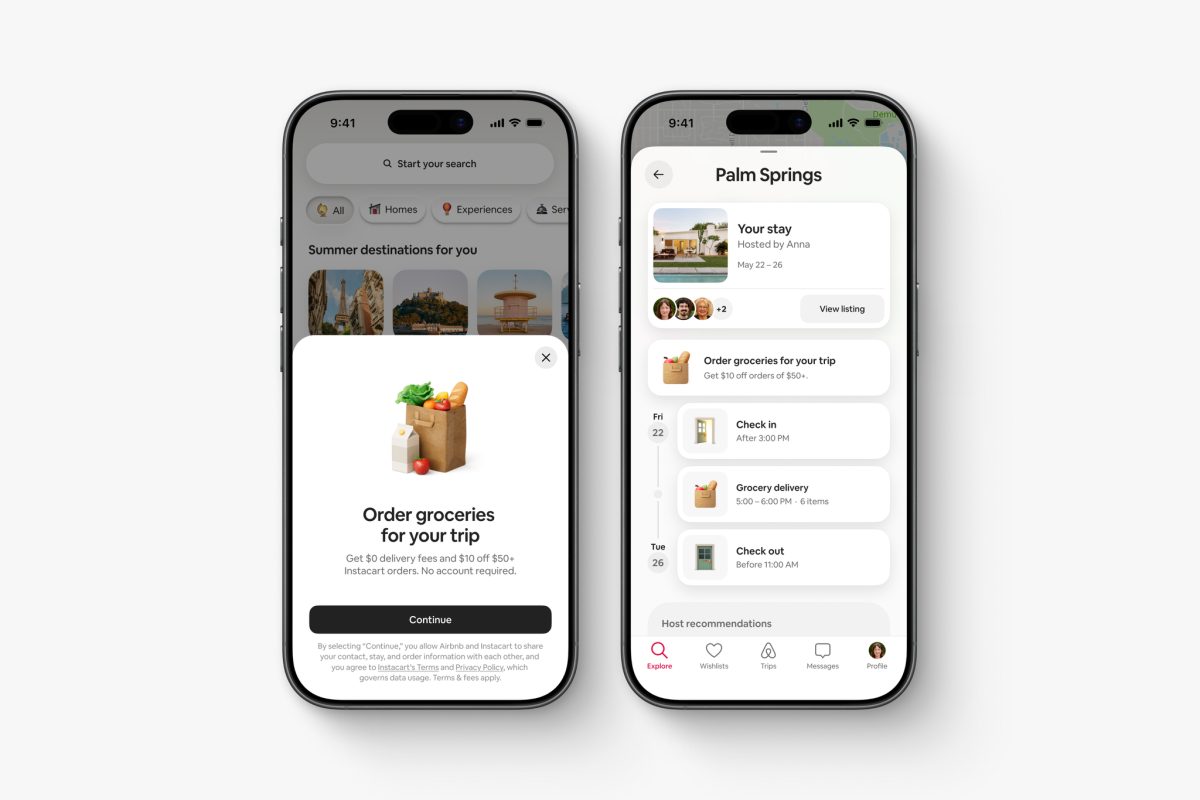
The company's chief business officer Dave Stephenson framed it simply: they want to "bring a little bit of magic to every trip." That magic, apparently, comes from eliminating friction at every possible step. The data backs this up. Airbnb's guest-created experiences score 4.93 out of 5 stars, signaling that travelers genuinely value what the platform offers beyond beds and Wi-Fi.
Where AI Meets Your Itinerary
Technology is the glue holding this expansion together. A revamped "Trips" tab now layers your bookings against nearby restaurants, attractions, and activities, making it easier to sketch an itinerary without bouncing between five different apps. Come 2026, a new travel map and "connections" feature will let you share where you've stayed with friends, peek at their reviews and reservations, and collaborate on group plans through built-in messaging. Group travel coordination, which has historically required a sprawling email thread or a dedicated group chat, suddenly becomes native to the platform.
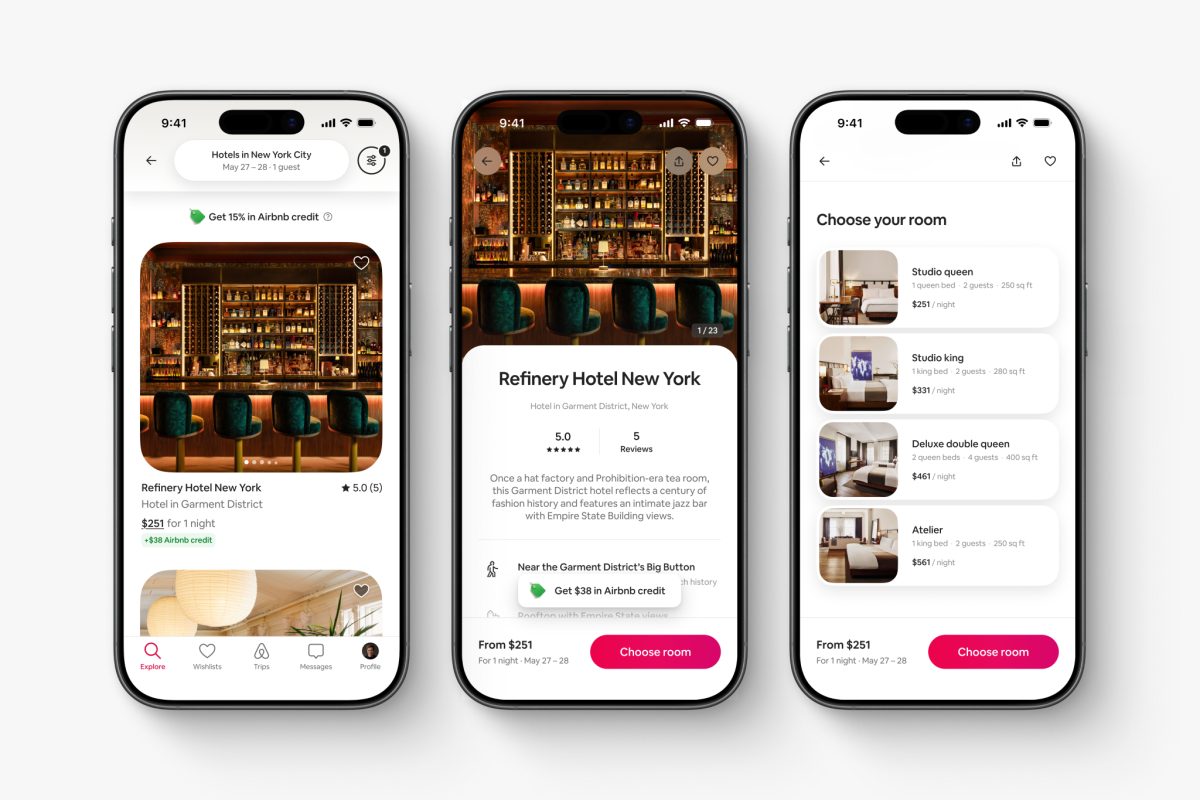
This addresses a real travel pain point. Most people don't journey solo. They travel with family, partners, or clusters of friends who need to agree on dates, neighborhoods, budgets, and activities. Streamlining that process within Airbnb itself is clever product thinking, even if the competitive implications ripple outward.
Experiences That Go Beyond the Ordinary
The platform is also deepening its experiences arm in ways that push beyond standard tourist activities. Partnership with Chef's Table and Grand Central Market brings culinary-focused trips into view. Want a six-course food and wine pairing dinner in Rome with Michelin-starred chef Gianfranco Pascucci? It's now bookable. The company now offers roughly 3,000 curated experiences across its network.
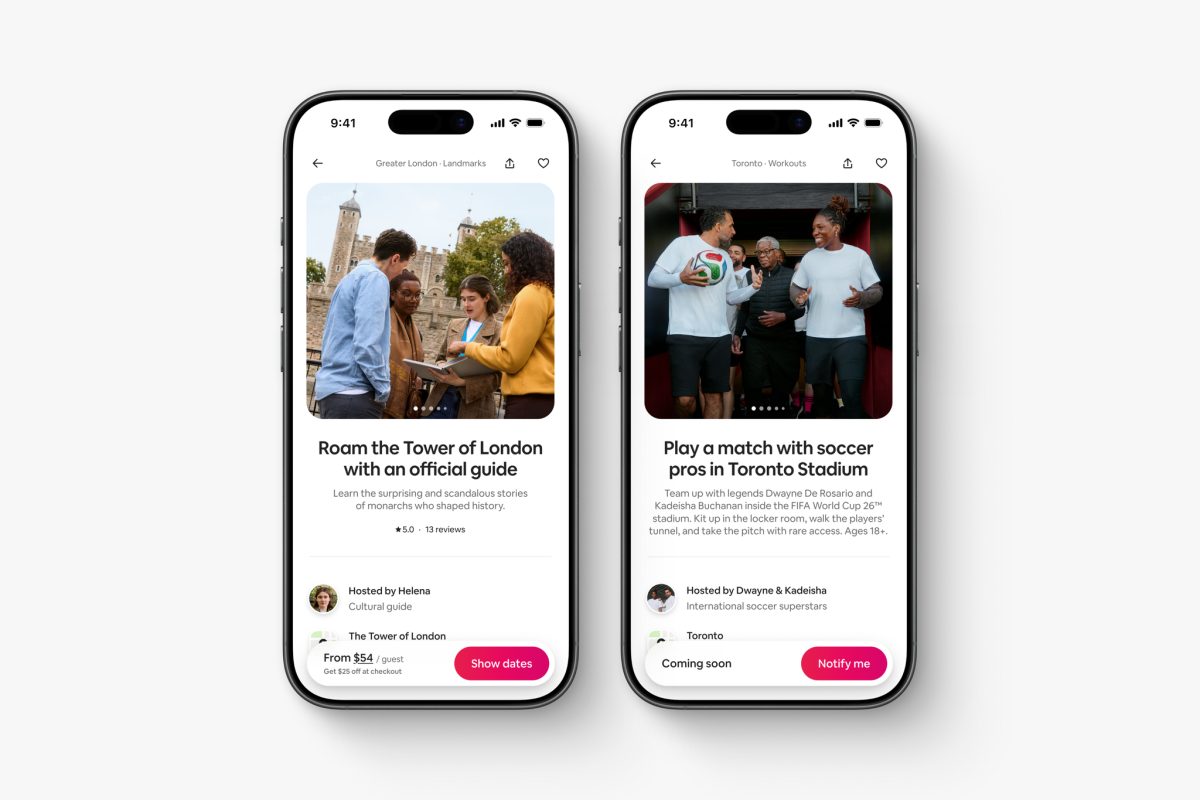
Sports fans get something equally exclusive. Airbnb is offering special-access packages to the men's FIFA World Cup across six host cities, complete with the option to attend watch parties with players or training sessions led by world-class football managers. It's the kind of behind-the-velvet-rope access that was once reserved for VIP travel agents or deep-pocketed concierge services.
The Bigger Picture
What Airbnb is doing mirrors a broader industry trend. Travel companies are racing to own more of the customer journey, from initial planning through post-trip sharing. Instead of being a single point in a traveler's workflow, platforms want to be the entire workflow. That's not inherently bad. Consolidation can reduce friction and simplify decision-making.
The risk, of course, is that a platform becomes so feature-rich it loses clarity around what it actually does best. Airbnb built its reputation on authentic, local accommodations and community connection. Layering rental cars, grocery deliveries, and World Cup packages on top of that value proposition could either feel like thoughtful expansion or like mission drift. Time will tell which narrative wins out.
For now, though, travelers have a new set of tools and a single place to orchestrate them. Whether that's genuinely magical or just convenient depends on how well the company threads together logistics, technology, and experience. If the integration works seamlessly, Airbnb may have cracked the code on travel planning in the AI era. If it feels bolted-on and clunky, it's just another bloated app fighting for your attention.