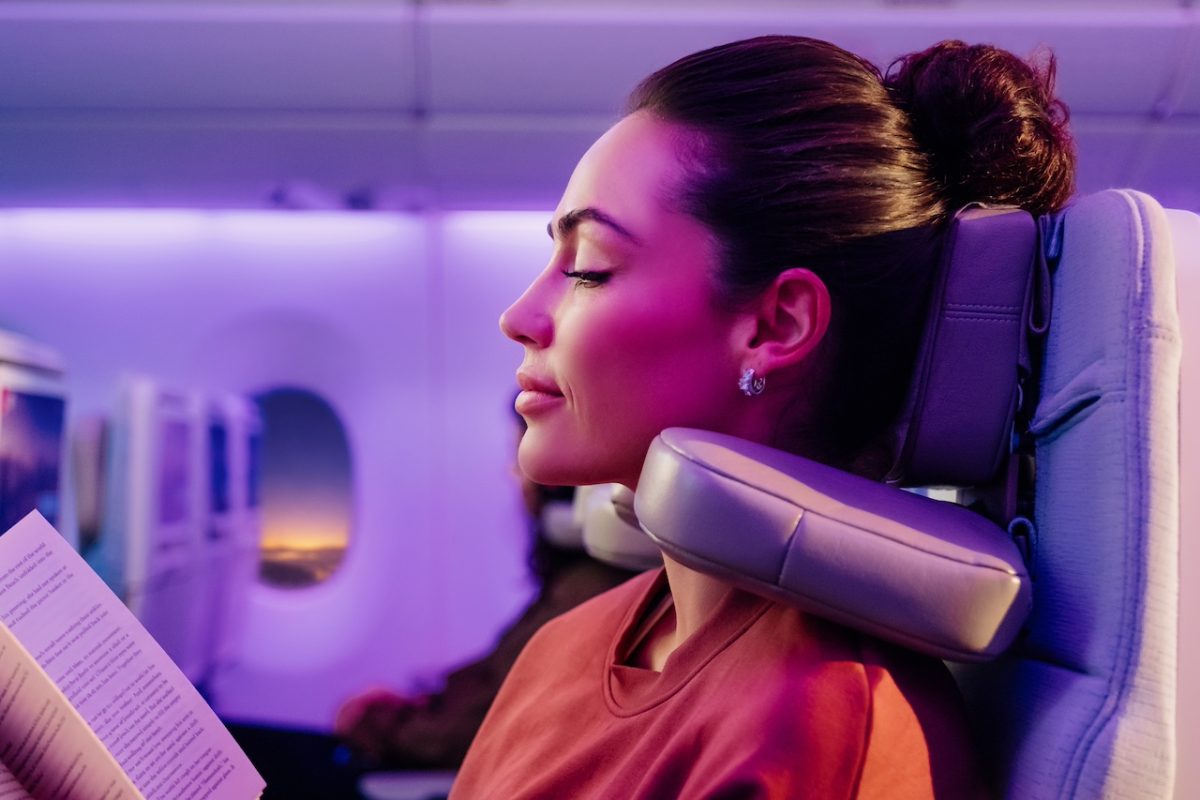
Long-haul flights in economy have always meant a choice between neck pain and neck pillow embarrassment. Emirates is betting they've finally found the answer: the U-Dream Headrest, a multi-way adjustable innovation that the airline unveiled as part of its ongoing fleet modernization push.
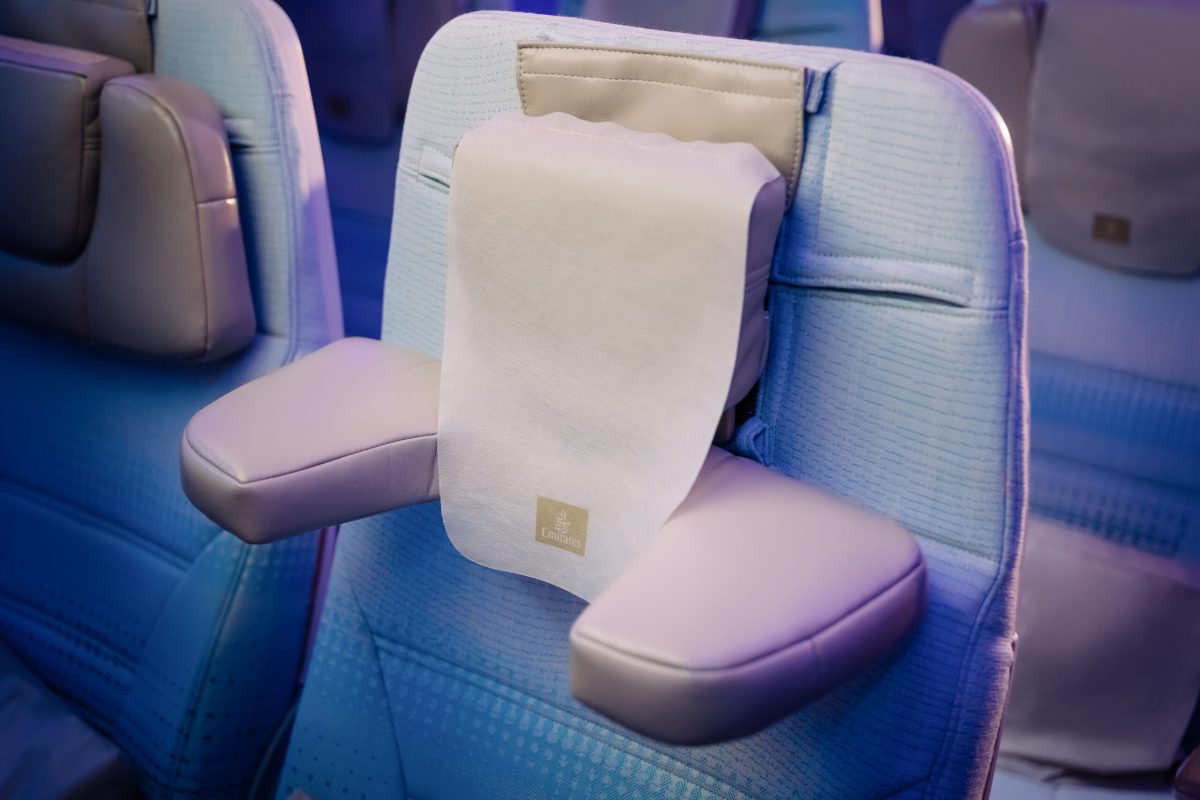
What makes this different from the inflatable contraptions you buy in airport duty-free? The headrest is built directly into the Z400 seat by Safran, featuring padded leather and flexible side wings that fold inward to support your head and neck. Unlike a pillow propped against your shoulder, this actually prevents your head from dropping forward or tilting sideways while you sleep. The design adjusts both vertically and in tilt angle, meaning it works whether you're 5'2" or 6'4". Independent testing confirms it meets European Union Aviation Safety Agency standards, so this isn't just marketing speak.
The airline announced the feature via social media with the kind of enthusiasm usually reserved for lie-flat first-class beds. And there's a reason for the excitement. After completing a 5-billion-euro fleet overhaul that touched 100 aircraft, Emirates is doubling down on the economy segment. The headrest comes standard on all new Boeing 777s and will be fitted to every Airbus A350 by the end of 2026. Starting in 2027, the company will retrofit existing A380s with the technology.
Why Airlines Are Racing to Upgrade Economy
This push reflects a larger shift happening across global travel. Airlines, rail operators, and hospitality providers are scrambling to capture demand for premium features at mainstream price points. Some carriers are experimenting with lie-flat economy beds. Collins Airspace recently unveiled the "Skynook," transforming the dreaded last-row seat into something resembling a semi-private cabin. Even crew rest solutions are getting creative.
The luxury creep isn't confined to air travel. Uber acquired Berlin-based Blacklane to expand into premium ground transportation. The Orient Express, a name synonymous with high-end rail travel, is launching luxury yachts. Every transport provider seems to recognize that travelers willing to spend more want genuinely better experiences, not just status symbols.
What This Means for Your Next Trip
For economy passengers on routes where Emirates operates (and the Dubai carrier flies to over 150 destinations), the practical benefit is real. A properly supported neck during an eight-hour or 14-hour flight reduces fatigue, stiffness, and that groggy arrival feeling. Emirates has made a habit of responding quickly to traveler needs, and this innovation suggests the airline is listening to what passengers actually struggle with on long flights.
Emirates President Tim Clark made the company's intentions clear: "The U-Dream changes the game if the person wants to sleep, by supporting the neck in full. No more neck pillows needed. It's another innovation that shows our commitment to customers and cements our Economy Class as the best." That's a bold claim, but the execution seems solid.
The rollout timeline means passengers booking long-haul flights on Emirates through 2026 and beyond will increasingly encounter this technology. New aircraft get it immediately. Existing planes get upgraded gradually. By 2027, the retrofit program should have transformed most of the fleet.
The Bigger Picture
This headrest is part of a broader transformation at Emirates. The airline recently opened a $5-million premium lounge in Bangkok designed to set a "new standard for premium travel." Clark has also hinted at working on en-suite bathrooms for first-class suites, pushing the luxury envelope further. For economy travelers, the message is clear: Emirates intends to make the standard cabin competitive and genuinely comfortable, not just tolerable.
Whether you're planning a trip to Europe, Asia, or Africa, if you're flying Emirates in economy, you might just find that your next long-haul flight doesn't leave your neck feeling like it went ten rounds with a boxer. That's not a revolutionary claim, but for anyone who's suffered through repeated international flights, it might be enough to make the difference between arrival fatigue and actually sleeping on the plane.