Picture this: you're 12 hours into a transatlantic flight when you spot a cabin crew member stretched out in a first-class seat, shoes off, fast asleep. Not a dream. Not a perk gone wrong. Just British Airways' new reality for handling crew exhaustion on certain long-haul routes.
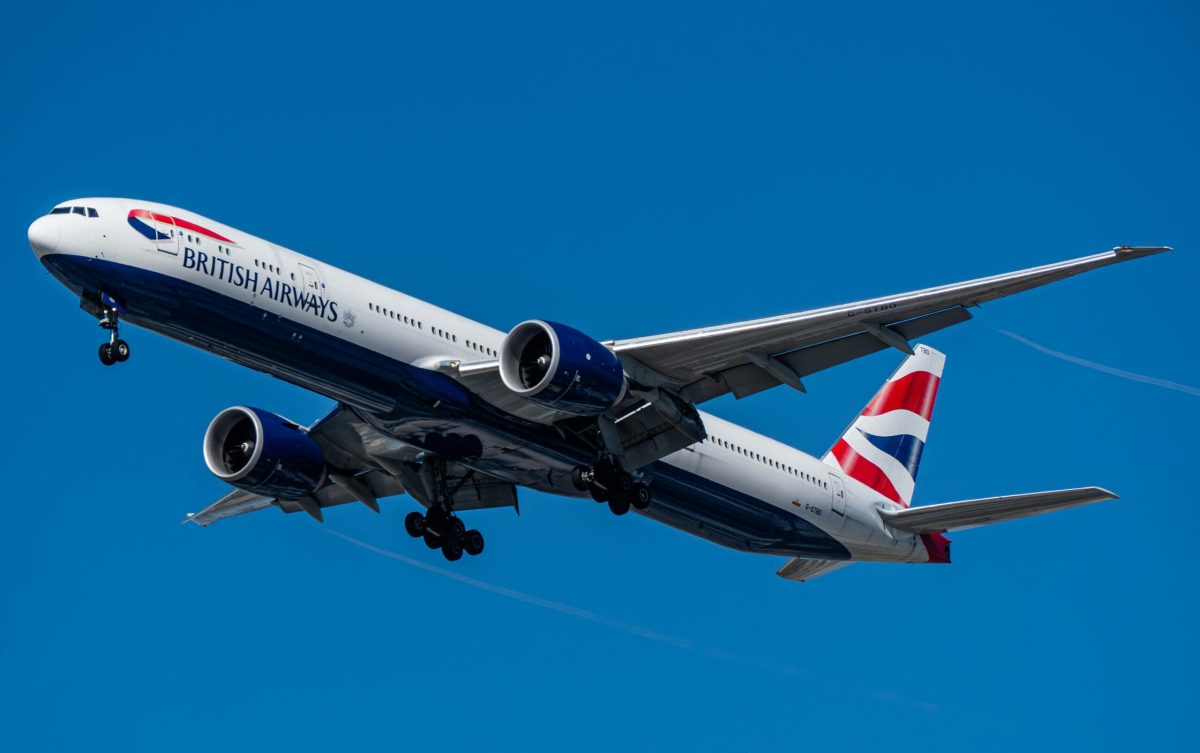
The airline recently updated its staff rest policy to permit flight attendants and other cabin crew to sleep in unoccupied premium seats during selected long-haul operations. The move applies to a small slice of BA's fleet: Boeing 787-10 Dreamliners and certain Boeing 777-200ER aircraft that were built without dedicated crew bunk compartments. Until now, these crew members had been catching their mandatory rest breaks in curtained-off jump seats tucked away in the galley. Not exactly the lap of luxury.
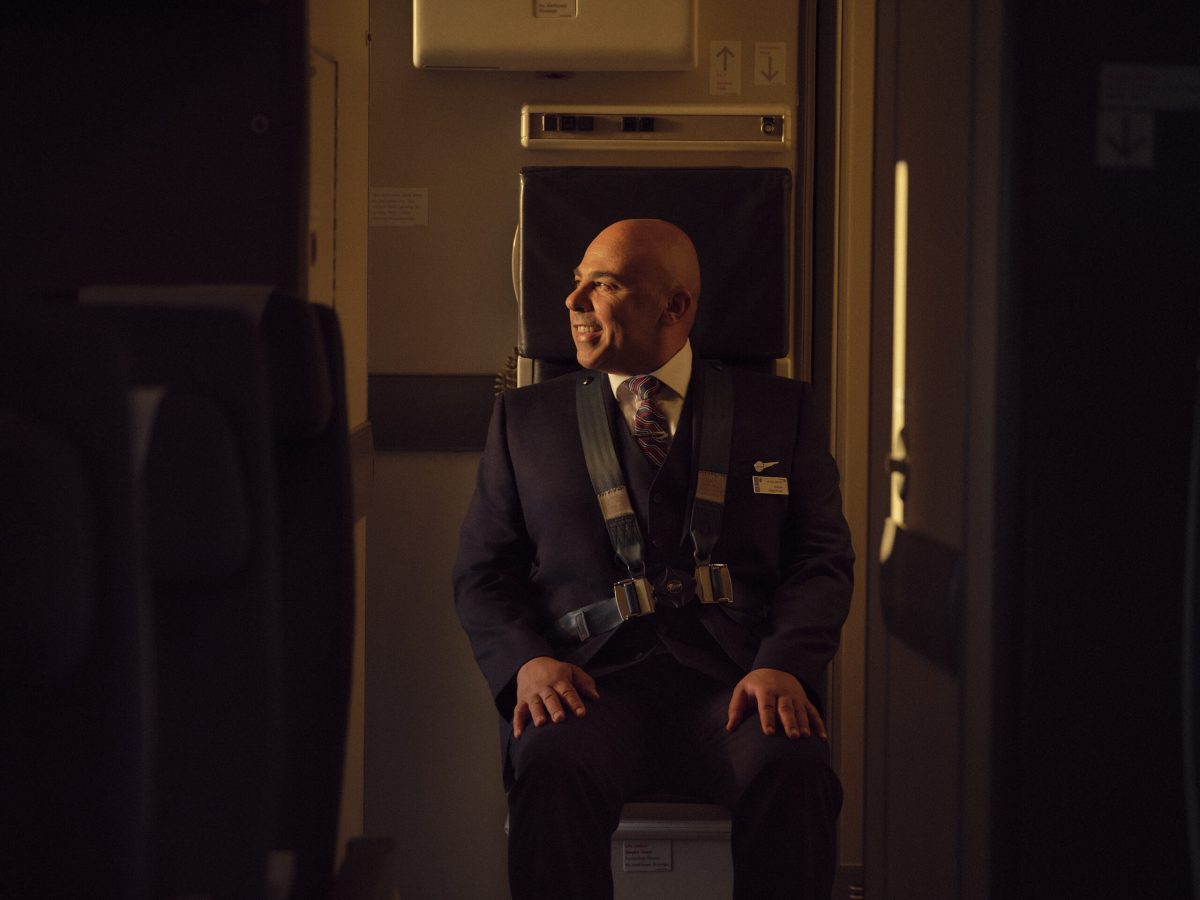
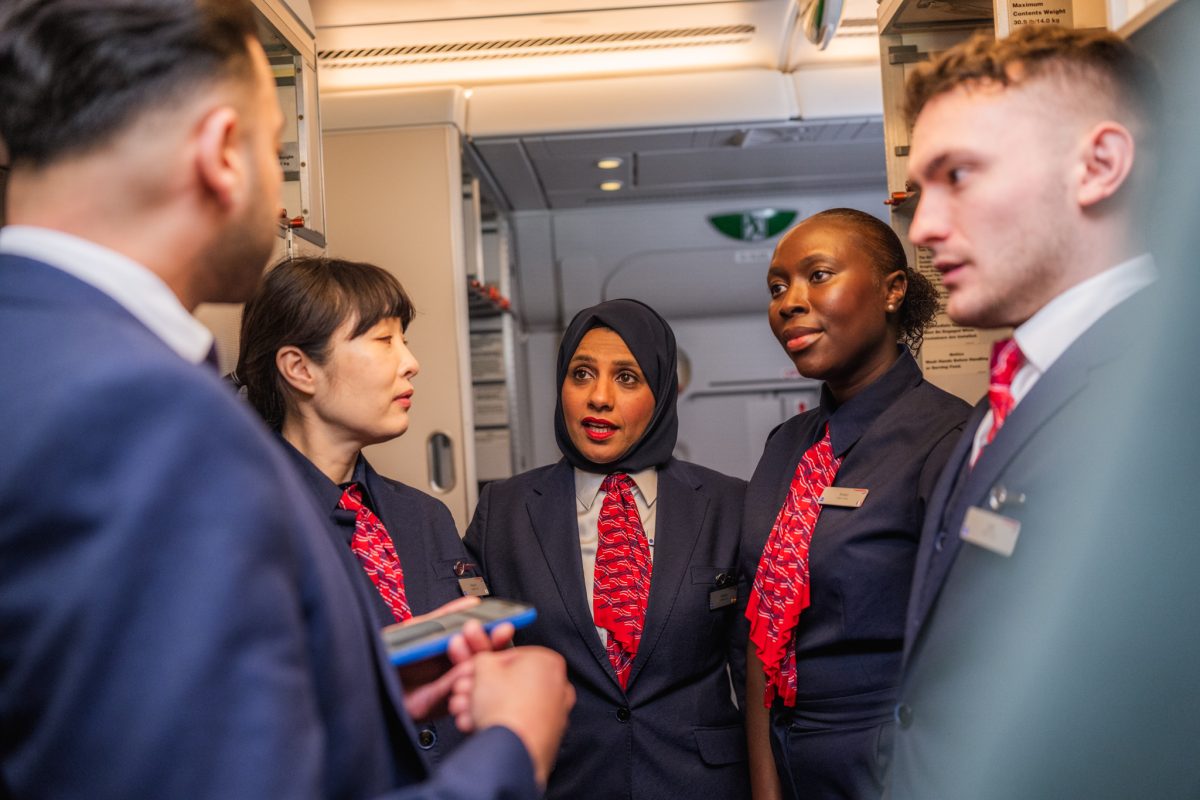
Before you start imagining flight attendants hogging first-class real estate, understand the ground rules. Crew can only use seats that remain genuinely empty after all passengers have boarded. No paying customer gets bumped. Ever. The arrangement came about through conversations between British Airways and BASSA, the cabin crew union, with both parties recognizing that better rest directly translates to better service. When crew are actually rested on 15-hour flights, they're sharper, more attentive, and less prone to mistakes.
What the New Rules Actually Look Like
According to guidelines circulating among industry observers, crew members using premium seats must follow specific protocols. They're required to use the cabin's standard bedding rather than lounging around in their uniforms like regular passengers. They also need to remove or cover any visible uniform pieces while sleeping. Basically, they keep things discreet so first-class passengers who are awake won't find it jarring to see staff napping in the cabin.
One frequent flyer forum discussion flagged a potential concern: passengers assuming crew members are fair game to wake up with drink requests or seat adjustments. "I can't see an issue with them doing it, the potential problem I see is passengers thinking it's ok to disturb them if they want something," one traveler commented. BA will likely need to manage passenger expectations through crew communication and maybe some signage.
A Longer Game Plan in the Works
This immediate policy shift is just the opening move. British Airways is simultaneously working on something more formal: a soft-block system for select economy seats on certain 777s and 787-10s. Unlike permanently blocked rows, these seats would remain available for sale and only get reserved for crew rest if they stay empty after departure. Similar approaches to optimizing aircraft seating already exist across the industry, balancing crew needs with revenue potential.
That said, British Airways' booking system hasn't been fully updated yet to manage this arrangement. Expect some operational growing pains as the airline works through the technical side.
Why This Matters More Than You Might Think
Under UK flight time limitation rules (inherited from EU aviation standards post-Brexit), airlines operating long-haul services must provide approved crew rest facilities. These can range from simple reclining seats to full dedicated bunk areas, depending on how long the flight is and what regulators require. Some newer aircraft come with hidden crew compartments; others like BA's particular 787s and 777s simply weren't built with that infrastructure.
The reality is that crew fatigue on ultra-long flights directly impacts safety and service quality. A rested flight attendant catches potential problems, responds faster to passenger needs, and performs emergency procedures with sharper focus. By giving crew access to actual seats instead of galley chairs, BA is recognizing that this isn't about indulgence. It's about operational sense.
The policy sparked predictable debate in aviation circles, with some travelers saying they see no harm and others questioning whether it sets a strange precedent. None of it changes the fundamental fact: if premium seats are sitting empty anyway, putting them to use for crew rest beats letting them go to waste.
For passengers, the message is straightforward. Your booking experience stays unchanged. Empty premium seats exist whether crew use them for rest or not. BA just figured out that an idle first-class seat is a wasted opportunity to ensure the people serving your flight are running on something better than fumes and adrenaline.