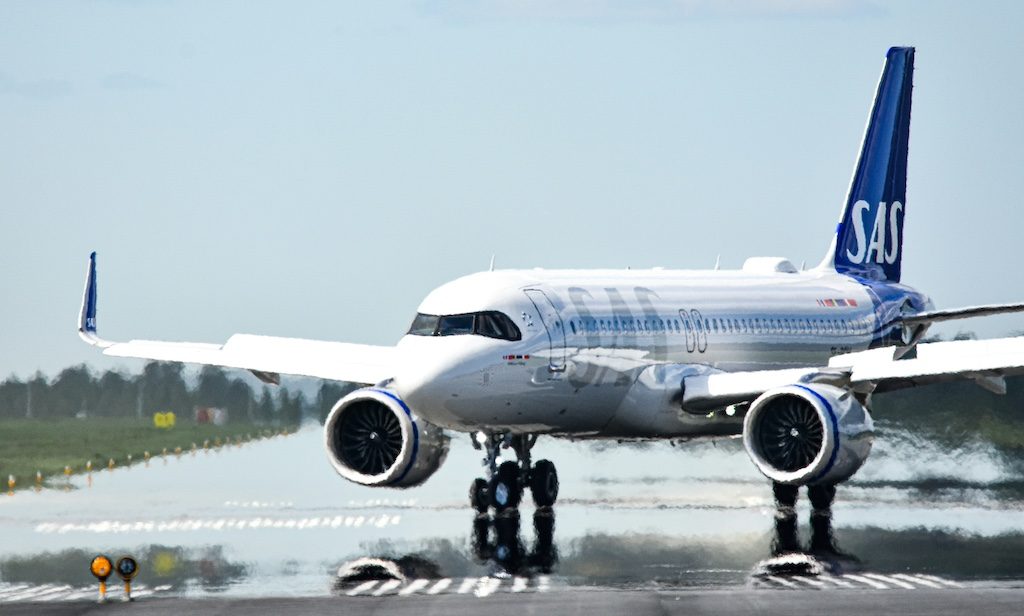
Comebacks are rare in aviation. Scandinavian Airlines (SAS) just made one official. The Nordic carrier, which clawed its way out of Chapter 11 bankruptcy just two years ago, has announced a $10 billion order for up to 40 widebody aircraft from Airbus. It's the largest fleet investment in the airline's history, and it signals something bold: SAS believes the future of intercontinental travel runs through Scandinavia.
For an airline that hemorrhaged money during COVID-19 and nearly disappeared entirely, this order feels audacious. Yet there's logic behind it. After restructuring its debt and welcoming new ownership led by Air France-KLM, SAS returned to operating profit last year. The airline now has the financial breathing room to think bigger. The order includes 18 Airbus A330neo aircraft, with additional jets forming part of the broader package. These aren't yesterday's planes. The A330neo sips fuel, generates less noise, and operates long-distance routes far more efficiently than the aging aircraft they'll replace.
Why Airbus won the race
SAS considered Boeing before committing to Airbus, but the choice made practical sense. The airline already operates Airbus A330 aircraft, meaning every pilot, cabin crew member, and maintenance technician already knows the platform. Pilots don't need retraining. Spare parts warehouses won't need overhauling. The A330neo shares core components with SAS's existing fleet, reducing operating costs and simplifying the transition. Sometimes the smartest business decision is the one that doesn't reinvent the wheel.
The real delivery timeline matters for travelers. New aircraft won't arrive until the early 2030s, so SAS plans to introduce older A330-300 jets in the meantime to support its expansion. This phased approach means route growth happens now, while cabin upgrades and fuel efficiency gains roll out over the next decade.
What this means for travelers
Here's where it gets interesting for anyone actually booking flights. Modern aircraft mean quieter cabins, better fuel efficiency, and lower environmental impact. SAS also plans to update cabin interiors on its long-haul services, so a transatlantic journey in 2030 won't feel like 2020. More jets means more destinations and more frequent connections from Copenhagen Airport, SAS's main international hub. The airline estimates this expansion could support around 25,000 jobs and contribute approximately 3.35 billion euros to Denmark's economy by 2030 through tourism and business travel.
This investment is part of a bigger reshaping at SAS. Last year, the airline ordered 55 regional aircraft from Brazilian manufacturer Embraer. Together, these orders form the backbone of a long-term growth strategy focused on strengthening Copenhagen as a gateway to Europe. Think of it as a conversation starter. More direct flights mean easier access to Scandinavia for travelers, and easier connections onward to Asia or North America.
The bigger picture in aviation
SAS's order reflects a broader industry trend. Airlines worldwide are retiring older planes and replacing them with fuel-efficient models. Rising fuel costs, environmental regulations, and strong post-pandemic demand are pushing carriers to modernize. Gulf airlines are bouncing back with aggressive expansion plans, and European carriers like SAS are responding in kind.
For Airbus, this deal is a significant win in a competitive market. The manufacturer recently faced scrutiny over structural issues discovered in aging A380 aircraft, but the latest order confirms that airlines still trust Airbus's newest generation of long-haul jets. SAS's confidence, despite emerging from financial crisis, sends a message to the industry: the recovery is real, and the future of intercontinental connectivity matters more than ever.
In two years, Scandinavian Airlines moved from the brink of collapse to placing the biggest order in its 80-year history. That's not just a business story. It's a reminder that aviation thrives on optimism, and that optimism shapes where we can go next.