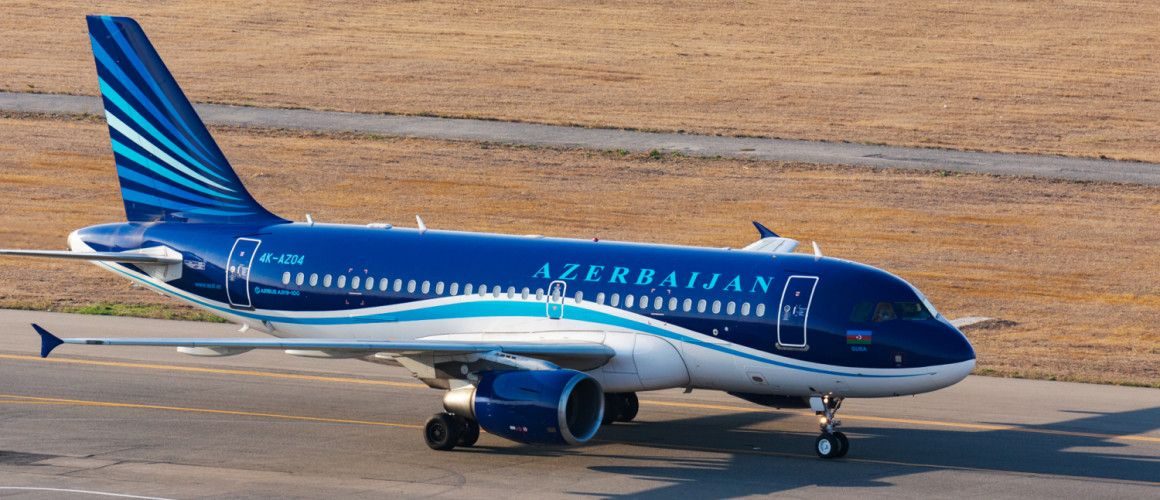
Azerbaijan Airlines just signed up for one of those massive digital overhauls that airlines love to announce. The flag carrier is partnering with Amadeus, the travel tech giant, to rebuild how it sells tickets, manages prices, and distributes flights across the web. If it works, travelers could see cheaper fares faster and more flight options across platforms like Skyscanner and Kayak. If it doesn't, well, you know how these tech rollouts go.
The core idea sounds reasonable enough. Amadeus's revenue management system will use data to guess what people want to pay and when, adjusting prices like an airline should. A tool called Flex Pricer Premium handles the tricky stuff: grouping fares by seat class, pushing upgrades to people who might bite, and untangling the mess of complex bookings that break most airlines' websites. Call center staff gets to do actual work instead of reading prices all day.
Where the Promise Gets Fuzzy
Here's where things get interesting. Amadeus is promising something called Instant Search, which should throw back flight options in under a second. Sounds nice, right? The catch is buried in how you actually make that happen. To search three billion flights a day that fast requires pre-loading data into a cache instead of querying live airline databases each time someone clicks. That means travelers might see a cheap fare that vanishes the moment they try to book it, because the price has changed.
Some rivals in the industry, like AI firms exploring how artificial intelligence is transforming travel personalization, have started asking whether Amadeus can actually deliver on "infinite search" without this becoming a problem. The computational cost of keeping billions of fares fresh in real time is enormous, and the AI power bill gets steep fast. It's the kind of promise that looks great in a press release but gets harder the moment you try to build it at scale.
The Bigger Picture for Caucasus Tourism
The timing makes sense for Azerbaijan. The country is aggressively positioning itself as a bridge between Asia and Europe, and airlines are the connective tissue for that strategy. Faster booking systems and better pricing options help, but the real move is expansion. By May 2027, Azerbaijan Airlines will fly direct from Baku to Brussels, opening up yet another European gateway for anyone heading to or from the Caucasus.
This Brussels route doesn't exist in a vacuum. The airline already beefed up its summer 2026 schedule with more frequencies to popular tourist spots: Egypt's Sharm El Sheikh and Al-Alamein, Batumi in Georgia, Tivat in Montenegro, and a whole string of Turkish coastal towns (Antalya, Bodrum, Izmir, Trabzon, and others). Each flight is a deliberate choice to capture tourism from travelers who want something beyond the usual European circuit.
What Travelers Actually Get
From a traveler's perspective, the Amadeus partnership means a few practical things. First, fares get smarter. The airline can offer a wider range of price points and adjust them based on demand, which sounds bad until you realize the alternative is when airlines either undercharge and lose money or overprice and lose customers. Second, with more competitive pricing across airlines, searching becomes easier. Integration with MetaConnect opens access to 40+ travel platforms, so you're not stuck hunting for deals across a dozen websites.
The search function should also get faster, in theory. Instead of waiting for a website to load or refresh, you get results almost instantly. Whether that translates to actually cheaper bookings depends on whether Amadeus solves the caching problem or just sweeps it under the rug. That's the question hovering over this whole announcement.
Jamil Manizade, the chief commercial officer at Azerbaijan Airlines, is calling this a "significant modernization" that will "enhance the traveler experience across the region." Lenka Klimova at Amadeus says the system will drive "qualified traffic" back to the airline's own website while keeping things consistent across channels. Translation: They want you booking directly and doing it faster. The new Brussels connection shows they're serious about growth beyond their home market, too.
For travelers planning trips to the Caucasus or anyone flying to Europe via Baku, this matters. Better booking technology and new routes mean more competition and more options. The Brussels route alone represents a significant expansion of European access for a region that's quietly becoming a fascinating travel destination. Just don't be shocked if that "instant" search takes a second or two longer than advertised when the system goes live.