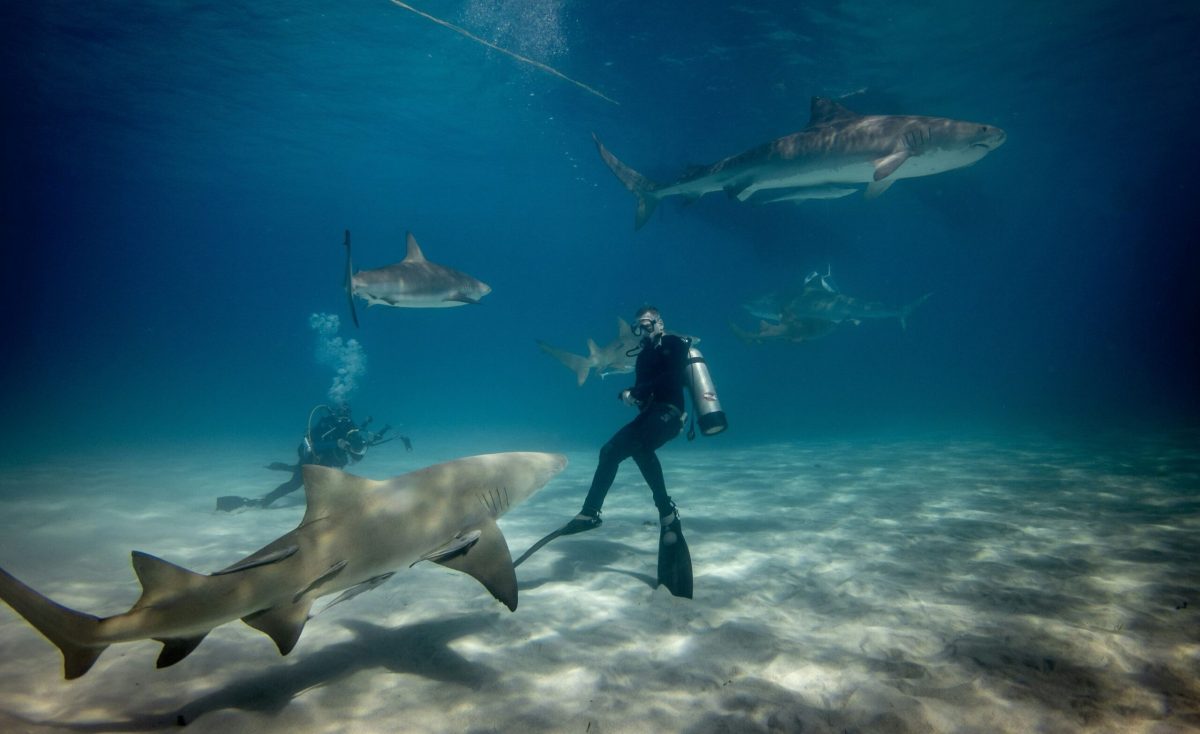
Okinawa wants your underwater photos to help save its reefs. The Japanese island has launched a new citizen-science diving program that transforms leisure divers into data collectors, monitoring the sharks and rays that serve as living indicators of coral ecosystem health.
The Professional Association of Diving Instructors (PADI) recognizes these species as frontline witnesses to reef vitality. When shark and ray populations thrive, the reef thrives. When they decline, trouble is brewing below. By enlisting visiting divers to photograph and document these creatures, Okinawa is building a massive international database that's already influencing ocean policy worldwide. The diving community has logged over 2.5 million pieces of data across 120 countries over the past decade alone, with findings reaching the United Nations, CITES, and governments shaping marine protection laws.
How to Join the Mission
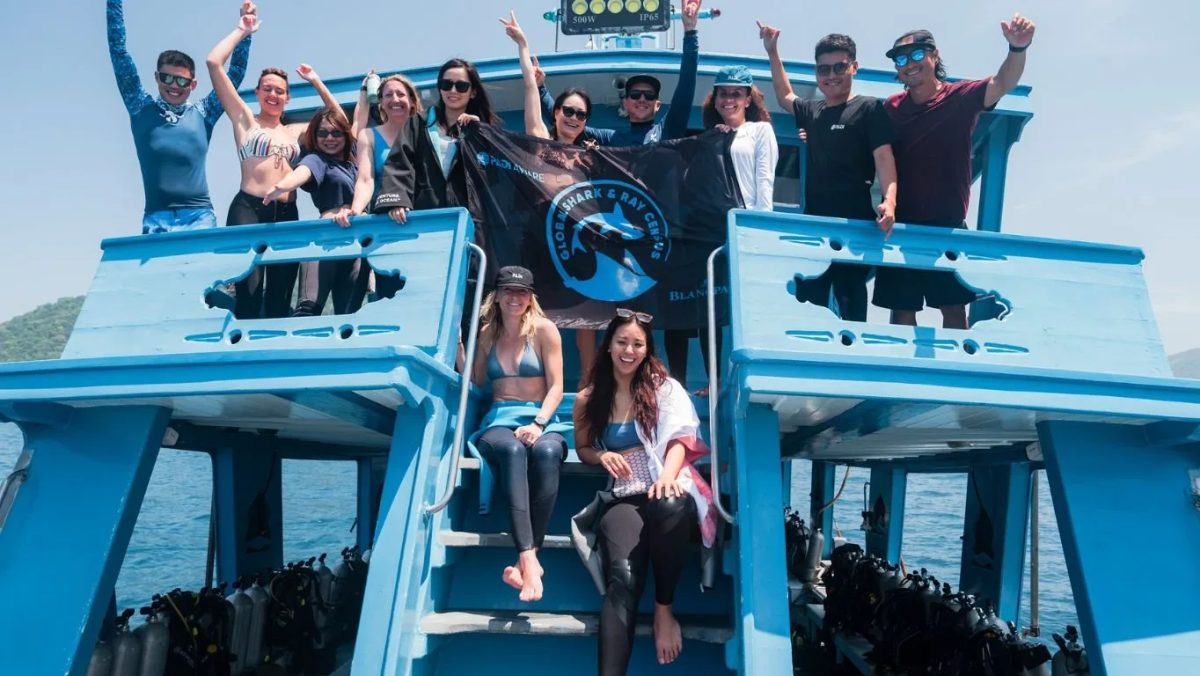
The PADI Shark and Ray Conservation Specialty Course opens the door to anyone who already holds a diving certification. Beginners should start elsewhere, but experienced divers can enroll at multiple locations throughout Japan for about 162 euros. The two-day program includes an online module explaining why these species matter, what threatens them, and how this project counters those dangers, plus two 45-minute training dives where instructors teach you to photograph and catalog your observations.
The process is straightforward. You snap photos of sharks and rays you encounter, note the dive location, date, and time, then upload everything to the free PADI AWARE app. Your data joins an international database maintained by James Cook University students in Queensland, Australia, and distributed to conservation organizations worldwide. Your casual underwater snapshot becomes part of the global effort to understand and protect marine life.
Why Okinawa Needs This Help Right Now
Okinawa's reefs face relentless pressure from climate change. In 1998, a devastating bleaching event destroyed 90 percent of the coral in Manza Bay near Onna Village. Local fishers and divers responded by hand-planting a coral nursery, determined to restore what was lost. Their work brought sharks back to the limestone formations where they shelter and hunt.
That recovery, however fragile, faced another setback. A failed typhoon season in 2024 triggered fresh bleaching, disrupting habitats that had taken over two decades to restore. Now, diving volunteers aren't just spotting sharks and rays, they're tracking real-time regrowth and ecosystem recovery, providing scientists with crucial measurements of how quickly reefs bounce back.
A New Model for Travel
Reefs have drawn marine tourism to Okinawa for years, anchoring the region's economy. Visitors arrive to marvel at the underwater world, then leave. This new program flips that script. Instead of passive observation, divers become active participants in the very ecosystem that drew them there. You're not just consuming the landscape; you're contributing to its survival.
That shift matters more than it sounds. When travelers become stakeholders in conservation, they develop deeper connections to the places they visit. They return home as advocates. They understand that reefs, fish populations, and the fishing communities that depend on them all rise and fall together. It's a circular economy of attention and responsibility, where tourism funding directly fuels protection work.
If you're planning a trip to Japan's more secluded regions, Okinawa deserves serious consideration, especially if you're a diver. The combination of world-class reefs, urgent conservation needs, and the chance to contribute meaningful research makes it a destination with real stakes. Pack your certification card, bring your underwater camera, and help write the next chapter of Okinawa's marine recovery story.