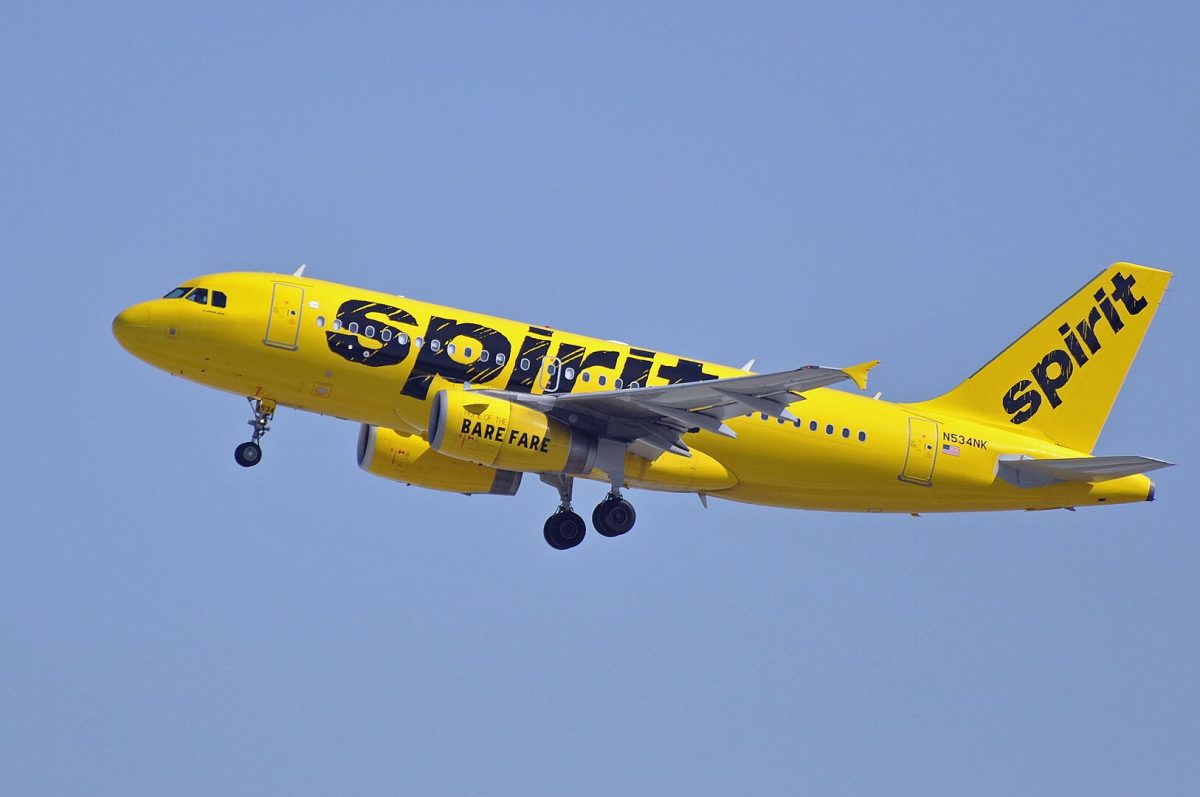
It's official: Spirit Airlines, the scrappy budget carrier that made flying affordable for millions of Americans, has shut its doors for good as of May 2. The airline, which once moved around 50,000 passengers daily and ranked as the seventh-largest US carrier, couldn't survive the perfect storm of high fuel costs, razor-thin margins, and mounting financial pressure.
The writing had been on the wall for months. Spirit repeatedly sought bankruptcy protection, attempted restructuring, and even pleaded for a $500 million government bailout. Nothing worked. As fuel prices climbed due to Middle East tensions, the airline's ultra-low-cost model simply couldn't absorb the hit. For a carrier that operated on virtually no profit margin, those extra dollars per gallon made all the difference.
What Happens to Your Spirit Flight
If you had a Spirit booking waiting in your confirmation email, take a breath. The airline says passengers will receive refunds for prepaid flights that will no longer operate. That's the good news. The bad news: customer service has already stopped, which means you won't get a helpful human on the phone walking you through the process.
The airline's guidance is straightforward if blunt: don't go to the airport. Instead, check online for your refund status and next steps. This creates obvious chaos for travelers who need to reschedule trips urgently, but at least the refund commitment is there in writing.
Other Airlines Are Stepping In (Sort Of)
Here's where the story gets less bleak. US Transportation Secretary Sean Duffy announced that several major carriers are offering capped fares specifically for Spirit customers who need to rebook. American Airlines and Delta Air Lines both have reduced fares on routes that Spirit used to dominate. Allegiant Air is freezing prices across overlapping routes, and Frontier is offering up to 50% off base fares until May 10 for affected travelers.
To use these offers, you'll need your Spirit confirmation number and proof of payment. It's not seamless, but it beats paying inflated prices in a sudden capacity crunch.
The Real Casualty: 17,000 Jobs
While passengers can rebook flights with competitors, the human cost runs much deeper. Around 17,000 Spirit employees are now looking for work. Pilots, flight attendants, ground crew, customer service reps, mechanics, and administrative staff all lost their jobs overnight. Unlike the travel disruption, which is temporary, their situation is far more serious.
Spirit's collapse also signals something broader about the airline industry. Budget carriers operate on such thin margins that rising fuel costs, inflation, or any unexpected shock can push them into oblivion. The fuel crisis that has threatened bookings across the industry hit hardest at carriers with the least financial cushion.
A Bittersweet Goodbye
Spirit's demise has stirred unexpected nostalgia. For 34 years, the airline made travel possible for people who couldn't otherwise afford plane tickets. Family reunions happened because of Spirit fares. Marriages took place because couples could visit each other. Beach trips, job interviews, holiday celebrations, and life-changing moments occurred at prices that made flying feel achievable rather than luxurious.
The airline was hardly beloved. Spirit became famous (or infamous) for charging for carry-ons, printing boarding passes, seat selection, and every imaginable extra. Consumer jokes about Spirit were a staple of travel Twitter. The company itself acknowledged this legacy in its final statement, saying it was "proud of the impact of our ultra-low-cost model on the industry over the last 34 years."
Yet that model, which opened flying to working families and budget-conscious travelers, ultimately proved unsustainable. As global fuel markets tighten and airlines face mounting pressure, the industry will need to reckon with what comes next. Budget flying will likely survive, but the question remains: who will fill the gap that Spirit leaves behind?