When bedrock beneath a glacier in the Nepal-China borderlands gave way in late August 2026, ice and rock tumbled into the valleys below with catastrophic force. The resulting flash flood left more than 1,000 dead and nearly 4,000 people missing. It was a tragedy of staggering proportions. But for climate scientists, it was also a grim confirmation of predictions they've been making for decades.
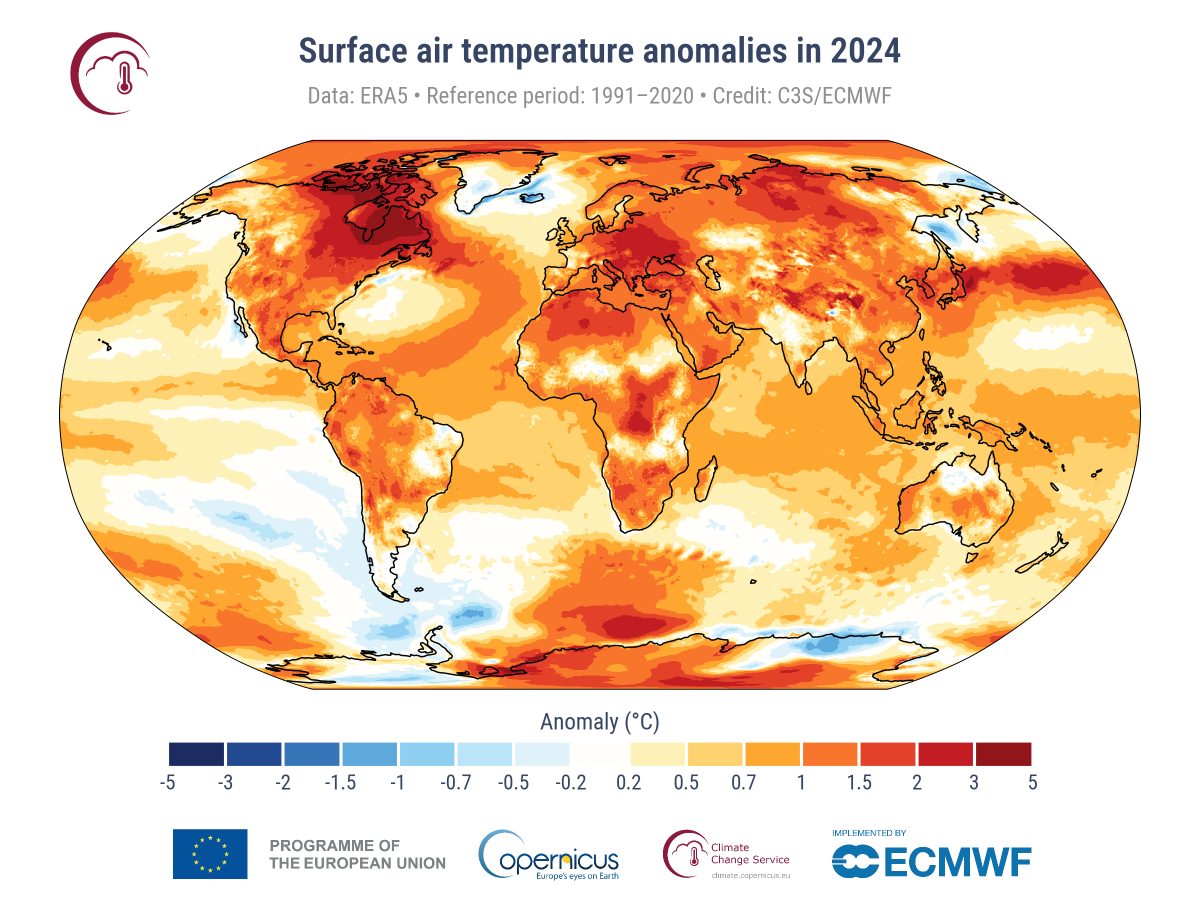
The disaster wasn't random. It was the result of fundamental changes happening across the Himalayan range right now. Rising temperatures are melting glaciers, destabilizing mountain slopes, and altering water systems in ways that make catastrophic flooding increasingly common. What happened on August 26 may have been exceptional in scale, but it was far from exceptional in nature.
Mountains Are Collapsing
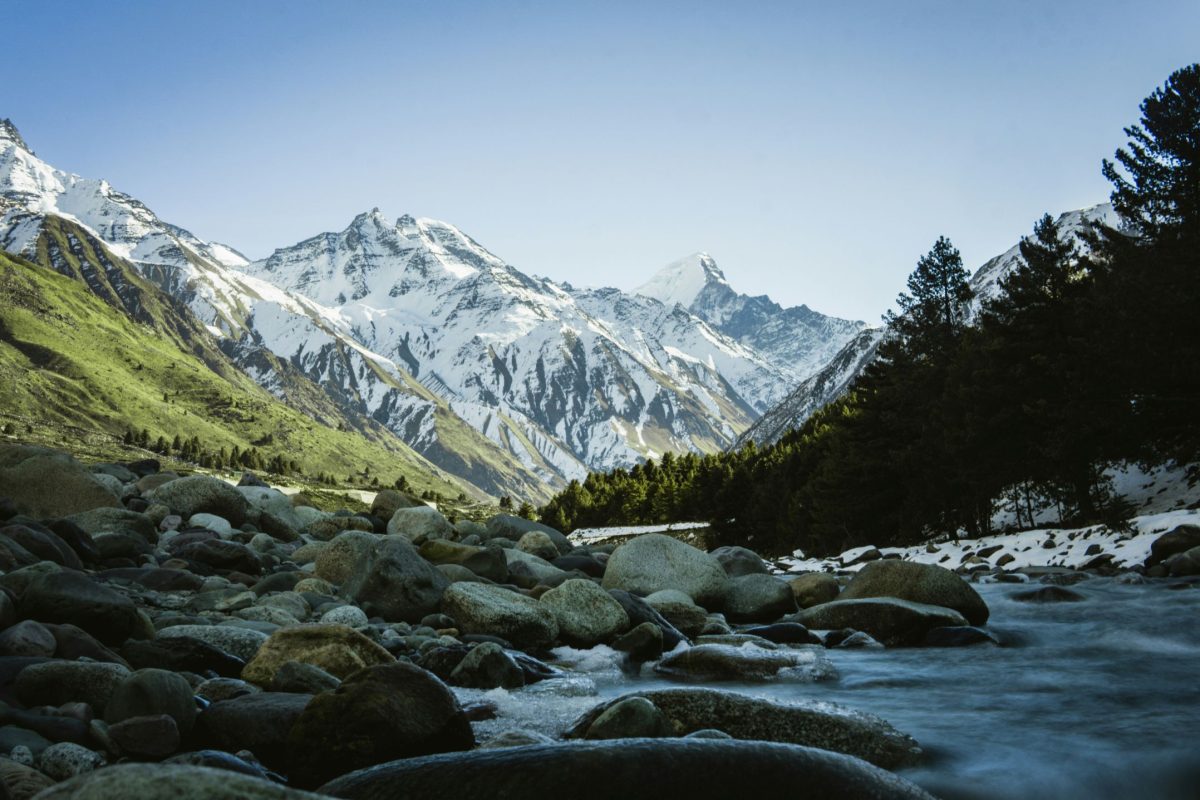
The physics of what's happening is straightforward and terrifying. Ice and snow do more than just sit on mountains. They act like structural cement, holding slopes together and preventing rockfalls. When glaciers melt rapidly due to warming, that buttress disappears. Mountainsides lose their integrity. Slopes fail. Avalanches, landslides, and debris floods become routine.
The Global Mountain Safeguard Research programme, part of the United Nations University's Institute for Environment and Human Security, has been tracking floods in the region since 1950. Their findings are stark: flash floods have become five times more frequent over the past 75 years. Even if global emissions were somehow capped today, the consequences of warming over past decades will persist in these mountains for years to come.
The August flooding likely followed a slightly different pattern than typical glacial dam breaks. Scientists believe the mountainside itself failed first, sending ice and debris cascading downward in a chain reaction that accelerated the whole process. But whether a glacier collapsed or a dam burst, the root cause remains the same: a warming planet is destabilizing the Himalayas at a fundamental level.
Where People Live Is Changing Too
The problem isn't just geology. It's also human geography. Across Nepal, Tibet, and surrounding regions, settlement patterns have shifted dramatically over recent decades. Traditionally, communities lived on higher elevations and cultivated land near river sources. Today, many have moved down into river valleys themselves. Better economic opportunities, easier construction, and access to water from drying high-altitude sources have pulled people closer to the very waterways that now pose the greatest danger.
Climate researcher Dipesh Chapagain, speaking to the United Nations after the August disaster, emphasized this vulnerability. Families who moved seeking better lives are now exposed to hazards their ancestors deliberately avoided. When flash floods strike, they strike harder and more often. The consequences are measured in lost lives and shattered communities.
What Comes Next
Nepali Foreign Minister Shisir Khanal made an urgent plea in the aftermath: "We ask the world to take climate change as one of the major challenges that Nepal and its citizens face, and this has to be a global effort." The Himalayan ecosystem is crumbling under pressure from tourism, construction, and rising temperatures, and no single nation can reverse the trend alone.
What can be done falls into two categories. First, adaptation. Governments need to invest in early warning systems that give locals and tourists time to evacuate. Communities need financial and technical support to relocate away from high-risk zones or fortify their homes and infrastructure. Second, prevention. Nations that claim sovereignty over these mountains must work together to reduce emissions and slow the warming that's driving these changes.
For travelers considering a trip to Nepal, Tibet, or surrounding regions, the Himalayas remain breathtaking. But the mountains are changing faster than anyone expected. Visit them knowing their fragility. Support conservation efforts. Choose operators and guides who respect the environment. And understand that when you see these peaks, you're witnessing a landscape in transformation. The mountain you hike today may not be the same mountain in ten years.