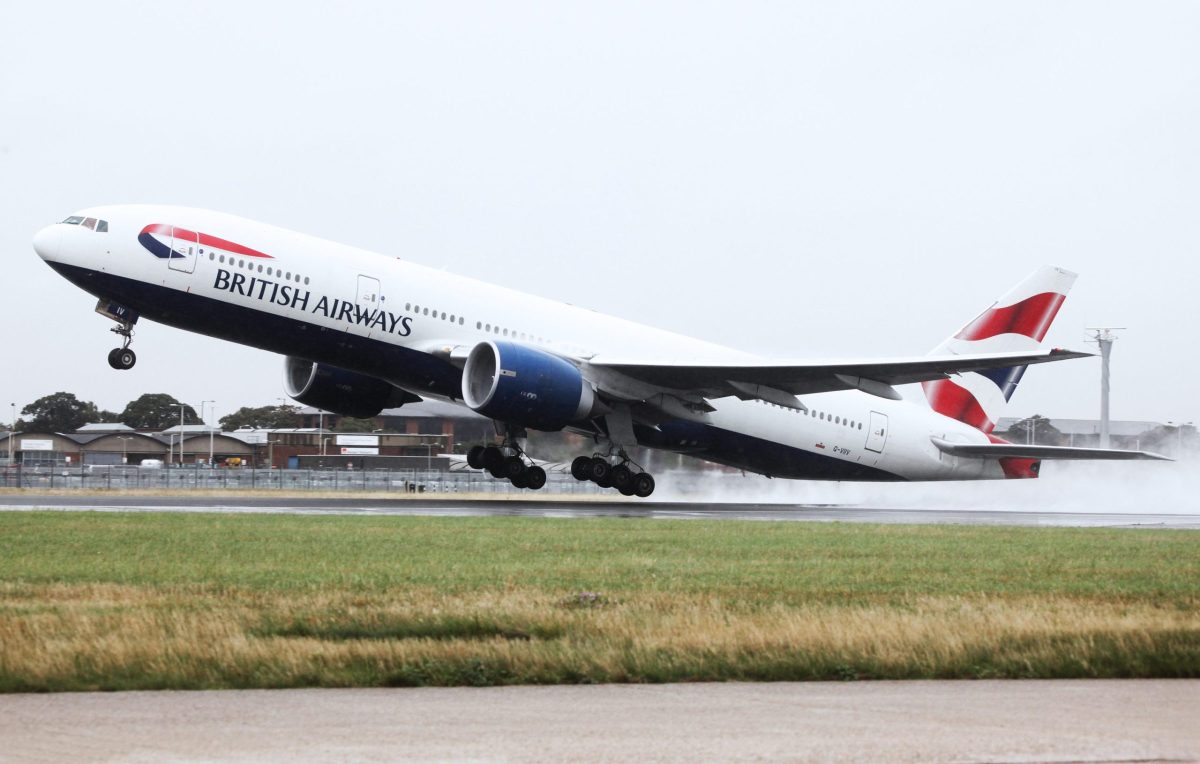
Flying a commercial aircraft across the Atlantic is one thing. Maneuvering a 650-ton Boeing 777 through the dense ground corridors of one of the world's busiest airports without a tow tug? That's an entirely different challenge, and British Airways thinks the answer is simple: hire a pilot specifically trained to do nothing but that.
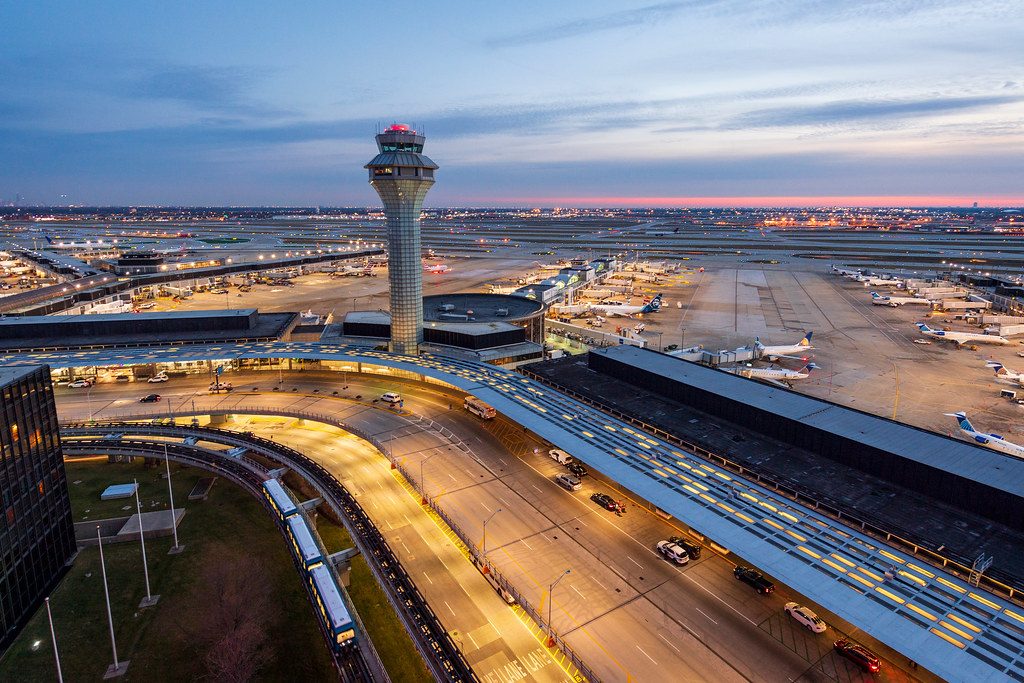
The UK carrier just announced it's seeking ground taxi pilots for Chicago O'Hare, one of North America's most congested hubs with over 70 million passengers annually. The position offers a base salary between $90,000 and $100,000 per year, depending on experience. On the surface, it sounds absurd: a six-figure job for moving planes on the ground. But the airport's peculiar setup makes this move surprisingly logical.
The Terminal Two-Step Problem
Here's where things get complicated. British Airways has a split personality at O'Hare. Incoming transatlantic flights land at Terminal 5, which houses customs and border processing. But departure flights leave from Terminal 3, thanks to a joint business agreement with American Airlines. That means every aircraft needs to be towed or flown under its own power from one terminal to the other before each turnaround.
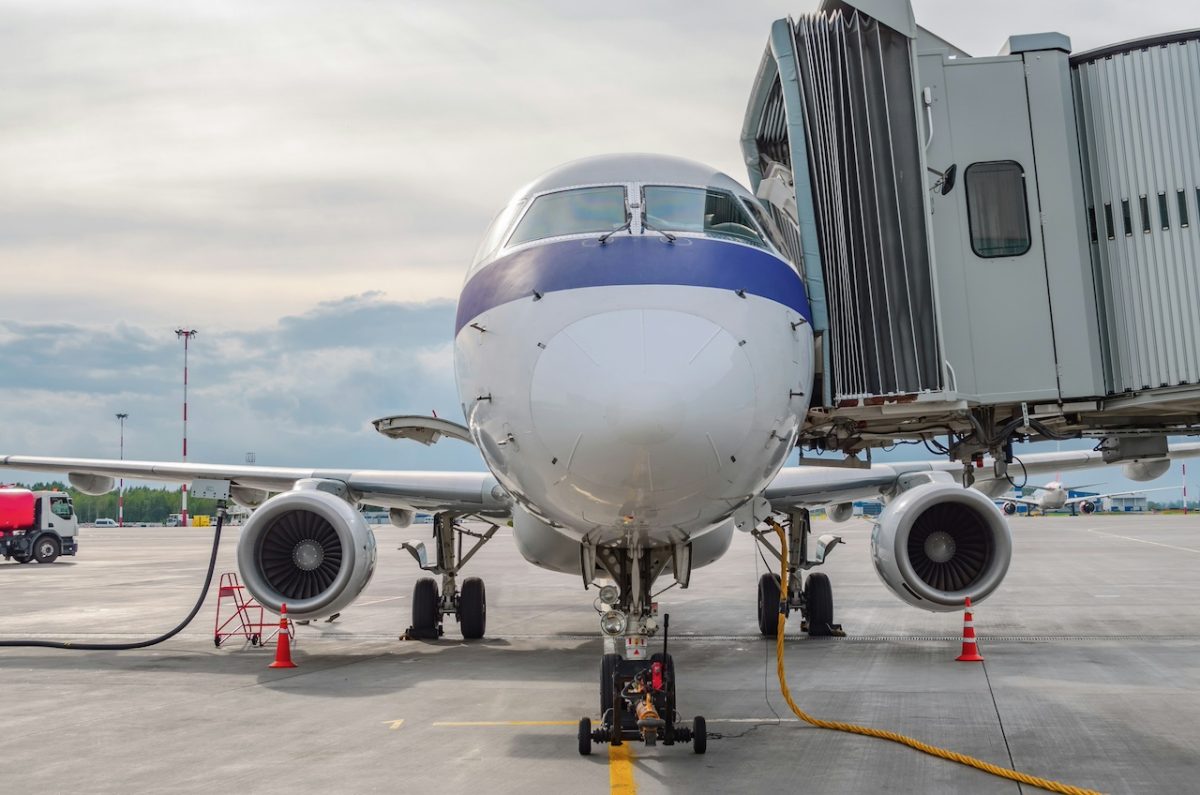
Unlike most major hubs, O'Hare doesn't rely heavily on pushback tug vehicles to move parked aircraft. Instead, planes use their own engines to taxi. For a 777 or 787, that creates two headaches: massive fuel consumption and the physics problem of maneuvering an enormous aircraft through constrained pathways. Airlines are rethinking operational efficiency across the board right now, and fuel burn during ground movements adds up fast.
When Crew Hours Become Illegal
There's a third puzzle piece that makes this role genuinely necessary. Transatlantic flights to Chicago push pilots to their legal limits. A flight from London to O'Hare takes roughly 10 to 12 hours, meaning the flight crew is already near maximum duty time regulations when they land. If that flight is delayed, add ground taxiing to the captain's workload, and you've just created a compliance problem.
By having dedicated ground pilots handle the 20 to 30 minute taxi from Terminal 5 to Terminal 3, British Airways keeps the main flight crew off the hook legally. The incoming pilots can rest while someone else moves the plane. The outgoing crew boards a plane that's already at their departure gate, ready to go. It's elegant problem-solving dressed up as a strange job posting.
What the Job Actually Requires
Not just anyone gets to sit in the left seat and move a $350 million aircraft around an airport. Applicants need an Air Transport Pilot (ATP) certificate or equivalent. They need real experience operating widebody long-haul aircraft like the 777 or 787, not simulators or smaller planes. This isn't a pilot-in-training role; it's for serious, credentialed aviators who want to work on the ground.
The position is shift-based and comes with standard employment benefits beyond the salary. British Airways is serious enough about filling this role that they posted it publicly and haven't hidden the salary range.
Why Now
The timing isn't random. British Airways announced a major expansion of its long-haul network back in March 2026, with plans to grow routes by 9 percent through winter. Chicago is a key U.S. hub for the carrier, and increased service to Baltimore, Houston, New Orleans, and other American cities means more flights needing the ground taxi treatment at O'Hare.
What started as an operational workaround has become a real staffing challenge. British Airways needs reliable pilots who can dedicate themselves to ground operations exclusively. The salary reflects that: it's not a pilot's typical income from the flight deck, but it's attractive enough to pull experienced aviators into a niche role.
The broader travel industry is watching. Job postings like this one reveal how airlines solve problems that passengers never see. Behind every smooth flight turnaround is a pile of logistics puzzles, crew regulations, and airport infrastructure limitations. For British Airways, the answer to O'Hare's unique constraints was simple: hire someone whose entire job is driving the plane from point A to point B.