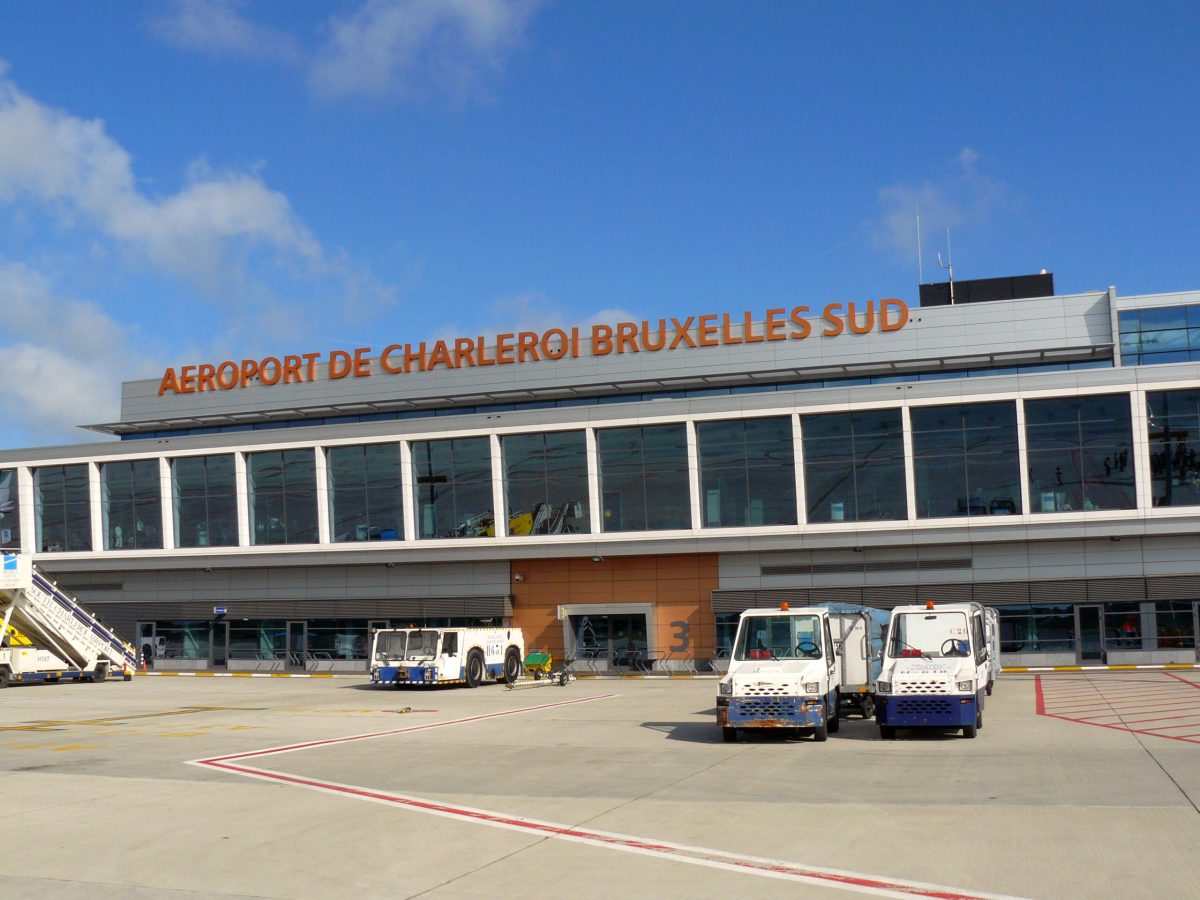
Picture this: it's late 2028, and one of Europe's busiest budget airline hubs simply disappears from the map for 11 weeks. Brussels South Charleroi Airport, which funnels over 10 million passengers annually toward affordable flights across Europe and the Mediterranean, is about to undergo the largest infrastructure overhaul in its 30-year history. The runway that's served as the backbone of this operation is nearing retirement, and there's no gentle way to fix it.
Charleroi Airport sits as Belgium's second-busiest gateway, and it punches well above its weight in Europe's budget travel ecosystem. Ryanair treats it as its main Belgian base, which explains why the airline's recent threat to slash two million seats due to local tax disputes has everyone on edge. The regional government has been quietly pushing airport leadership to attract more carriers to reduce this dangerous dependence on one airline. The timing could hardly be worse.
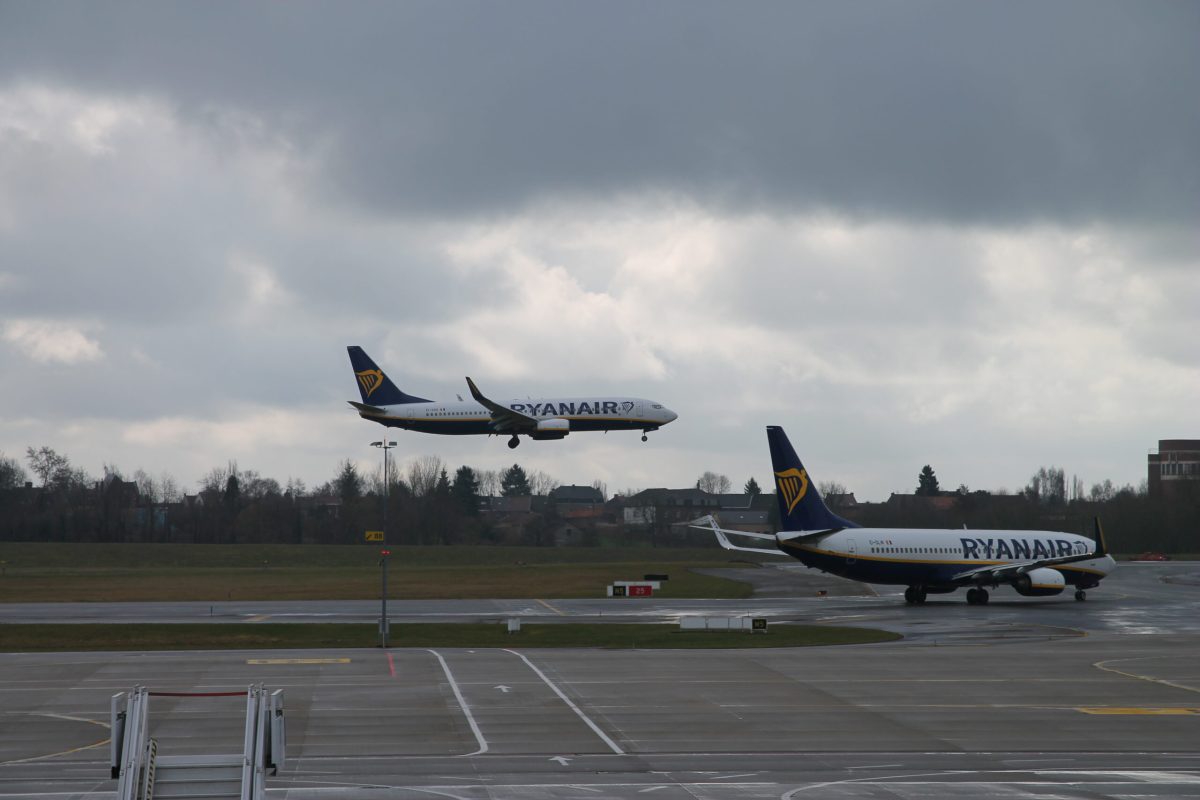
The 2028 closure wasn't dreamed up overnight. Walloon Minister of Airports Cécile Neven's office confirmed that runway renovation studies have been underway for years, with formal decisions finalized in November 2024. The real shock? Nobody seemed ready to talk about it until now. The runway has roughly 25 years of design life, which means it's approaching the wall. Alongside the runway itself, crews will upgrade drainage systems, replace lighting, and refresh the markings and airfield infrastructure. These aren't vanity projects. Safety and stability for the next few decades depend on getting this right.
Trade unions and airport staff aren't celebrating. SETCa representative Alain Goelens hit the heart of the anxiety: once Charleroi reopens, will all the routes actually return? What happens to workers who face temporary layoffs? The uncertainty cuts deep. Ryanair's massive Belgium pullback is already forcing Charleroi to hunt for new airline partners, so a three-month closure could accelerate that shift in unpredictable ways.
For travelers with spring or autumn 2028 bookings through Charleroi, contingency plans are already being discussed. Brussels Airport could absorb some traffic, though slot availability there is tight. Liège, Lille, and Maastricht Aachen airports are likely to see a surge in displaced passengers. Airlines haven't yet revealed their specific rerouting strategies, but passengers should expect either alternative flight options or refunds depending on their carrier.
Brussels Airport is quietly building a transport hub that changes everything, but Charleroi's closure will test whether Belgium's broader aviation infrastructure can handle the strain. The airport has committed to publishing a detailed construction schedule well in advance, giving airlines, passengers, and commercial partners time to adapt.
What this really signals is a reckoning. Charleroi built its reputation on affordability and aggressive Ryanair expansion, but that model left little room for flexibility or redundancy. A three-month shutdown forces the airport and local government to think bigger. Either Charleroi emerges with a stronger, more diversified carrier base after 2028, or it limps forward with even deeper dependence on Ryanair. Europe's airport elite hold ground as Asia surges ahead, which means mid-sized hubs like Charleroi can't afford to play it safe. They need vision, investment, and partnerships that outlast political disputes and airline demands.
For budget-conscious travelers who've grown accustomed to Charleroi's rock-bottom fares, the next few years demand flexibility. The 11-week closure is fixed. What comes after is still being written.