Picture this: you're standing at Terminal 4 at London Heathrow, one of the world's busiest airports, and suddenly every flight gets grounded. That's exactly what happened on Tuesday, 8 September, when a glitch in Britain's air traffic control system sent the entire network into freefall. By Wednesday, the damage count had climbed to more than 1,500 cancelled flights across two days, affecting tens of thousands of travellers and raising serious doubts about the resilience of the UK's aviation backbone.
The culprit was a failure in the National Air Traffic Services (NATS) flight data processing system. While engineers managed to fix the technical problem relatively quickly, the consequences rippled outward like aftershocks. Airlines found themselves buried under a mounting backlog of grounded aircraft and displaced passengers. Even after systems came back online, the recovery effort proved to be a grinding, complex operation that would take far longer than anyone anticipated.
Heathrow bore the brunt of Wednesday's fallout, with 177 flights already cancelled before the day even started. But the disruption wasn't confined to London's flagship airport. Flight tracking data showed inbound traffic to London airports, Manchester, and Birmingham looking dramatically different from the previous week, while Gatwick, Liverpool, Edinburgh, and Dublin all reported significant cancellations. British Airways cancelled or diverted more than 100 flights. Ryanair grounded 50 flights and reported that over 65,000 passengers were affected by the cascading delays and cancellations.
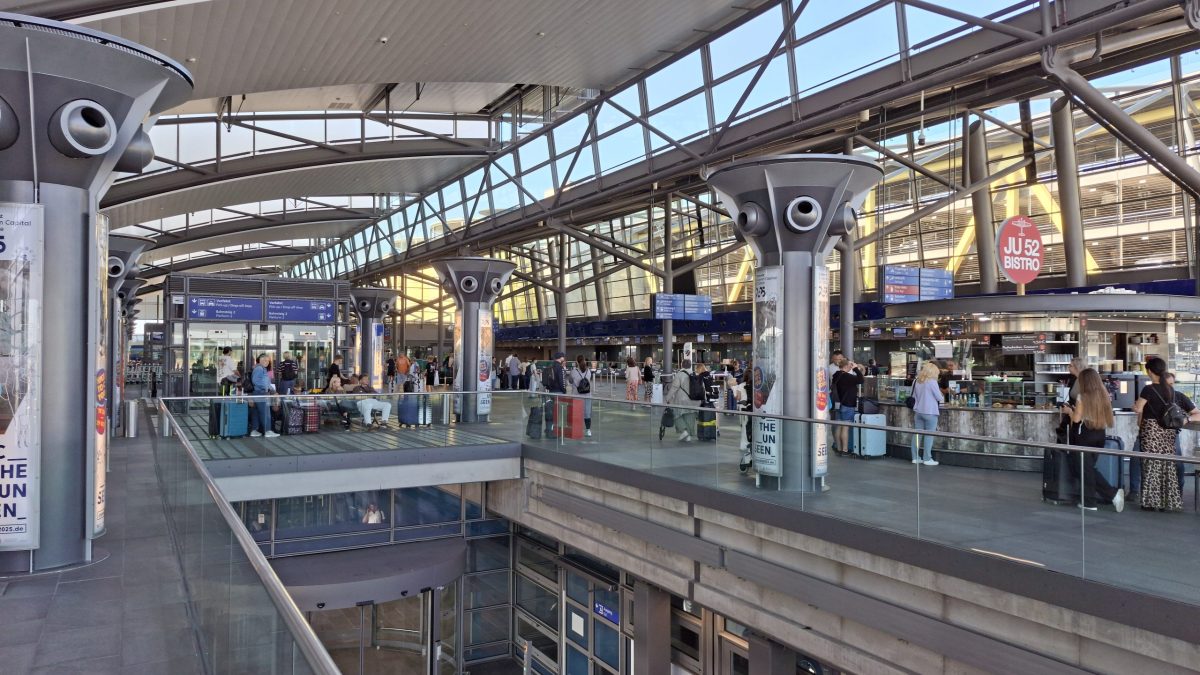
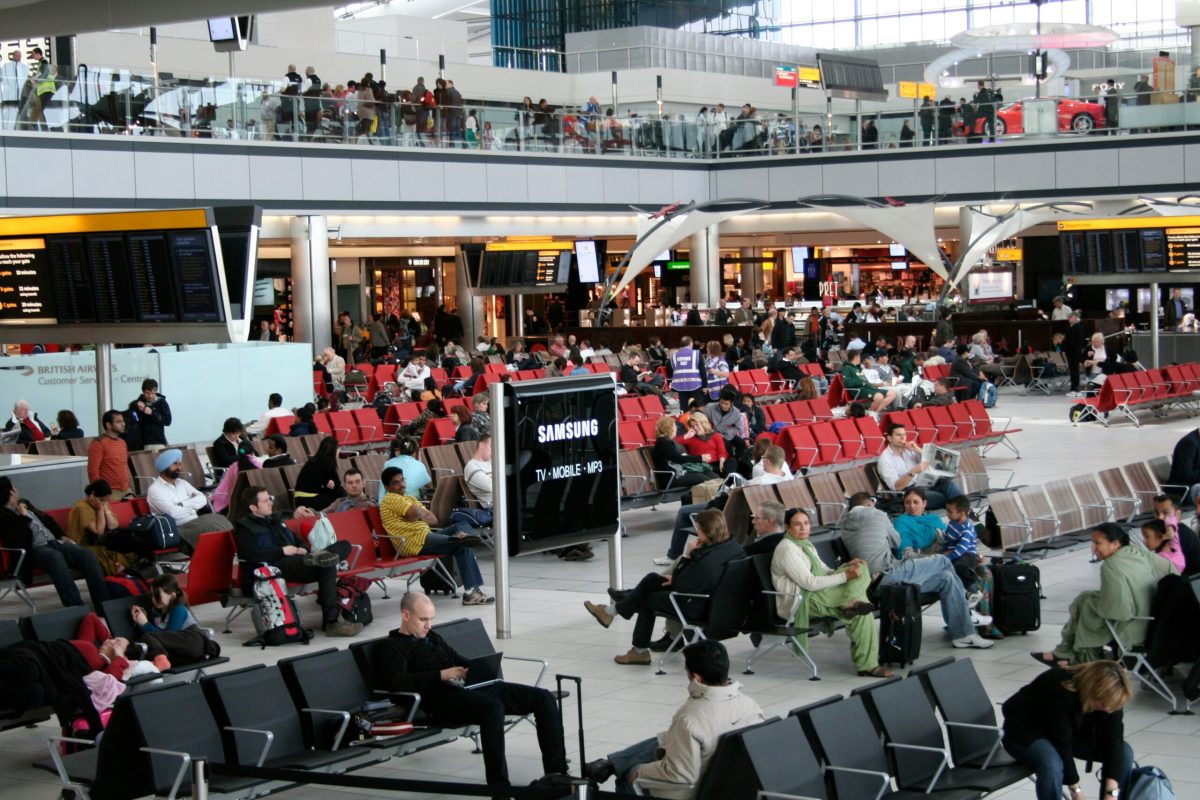
For actual travellers caught in the mess, the experience was genuinely brutal. The scene at Heathrow Terminal 4 after all flights were suspended painted a picture of organized chaos, with passengers crammed into terminals while airlines scrambled to figure out next steps. One passenger, Josie Donoghue, a healthcare worker, told reporters she spent three hours trapped on a runway before abandoning her flight to Ireland. She summed up the experience memorably: getting through the airport felt "like trying to get out of Alcatraz."
What makes this failure especially galling is that it's not the first time. Britain experienced a major air traffic control meltdown in 2023 that disrupted more than 700,000 passengers. Less than a year later, in July 2025, another technical glitch caused four-plus hours of flight disruptions. At what point does a pattern become a crisis of confidence? Despite UK airports setting records in recent years, these repeated infrastructure failures suggest the systems powering them haven't kept pace with demand.
The finger-pointing started immediately. NATS issued apologies and pledged recovery efforts, but Ryanair's chief operating officer Neal McMahon went further, calling for the resignation of NATS CEO Martin Rolfe and labelling his leadership a failure to UK travellers. Transport Secretary Heidi Alexander chimed in, saying she was demanding "assurances that lessons will be learned and systems that support aviation are up to the job." The implication was clear: something fundamental needs to change.
What's particularly frustrating for passengers is the domino effect. Heathrow warned that disruption would continue as airlines worked to reposition aircraft and crew members back to their proper bases. When an aircraft gets stuck in Manchester but needs to fly out of London, when flight crews are in the wrong cities, when thousands of passengers are scattered across the country missing connections, the recovery becomes exponentially harder. One system failure doesn't just cancel one flight; it unravels entire schedules for days afterward.
For anyone planning to fly through the UK in the coming weeks, the message is simple: check directly with your airline before heading to the airport. Don't rely on scheduled departure times alone. Build in extra buffer time if you're connecting through major hubs. And if you're shopping for flights, consider whether there are alternative routing options that bypass the most congested airports altogether. Related reading like how modern flight apps help you find alternatives might prove surprisingly useful right now.
The broader question hanging over this incident is whether Britain's aviation infrastructure can handle the volume of travel people now expect. Airports are busier than ever, and the systems managing that complexity have proven fragile. Until those systems receive a serious upgrade and the leadership running them demonstrates real accountability, travellers should probably expect that "disruption may continue" to be a recurring headline.