Picture this: you've just landed in Brussels after a long flight, and you want nothing more than a comfortable bed steps away from the terminal. For nearly four decades, the Sheraton Brussels Airport Hotel has been exactly that for countless passengers. But like any building pushing past its mid-30s, it needs some serious TLC, and the airport is ready to invest.
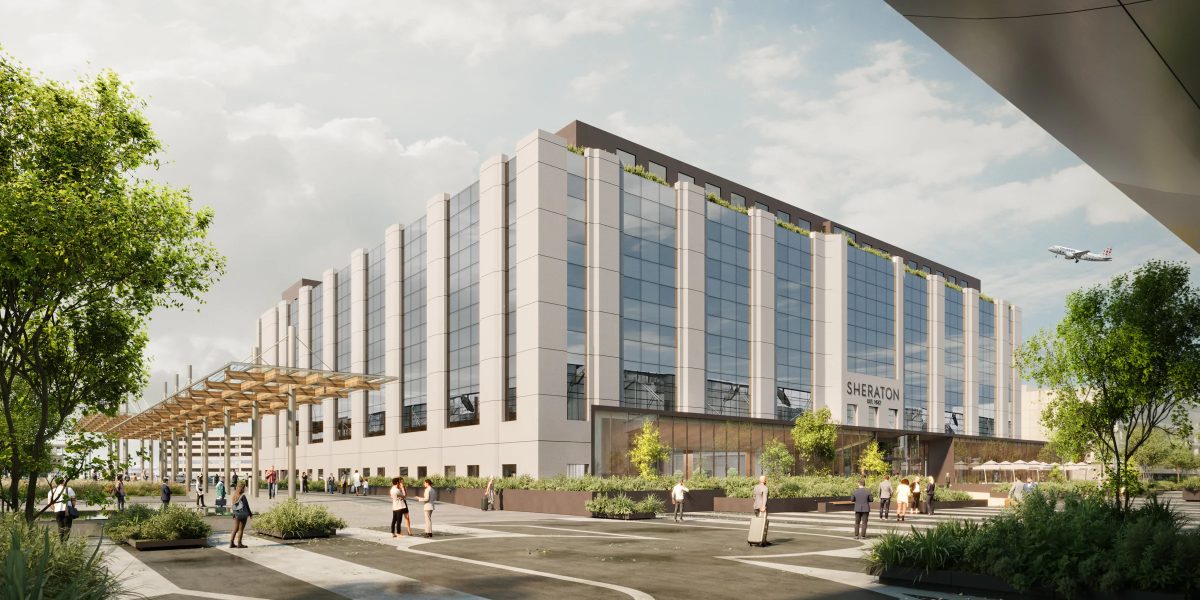
Beginning in mid-2027, the property will undergo a sweeping two-year renovation that touches nearly every corner of the building. This isn't a quick cosmetic refresh. The work will include gutted-and-rebuilt guest rooms, a complete restaurant overhaul, new electrical and ventilation systems, roof repairs, and upgraded technical infrastructure. The glass-fronted lobby will be reimagined with more natural light and flexible hospitality zones, while the top floor's meeting space converts into additional executive suites. When it wraps up in late 2028, the hotel will feel like a different property entirely.
Why Now? A Troubled Year for the Airport Hotel
The timing of this investment isn't random. The Sheraton endured a rough stretch that forced the airport's hand. Last August, local fire officials discovered that the building's safety systems had fallen out of compliance with current standards. The mayor ordered an immediate closure, and guests packed their bags by midnight. Though airport officials called it precautionary and stressed no one was ever in danger, the message was clear: changes needed to happen.
Then came Christmas Eve 2025. A fire erupted in a technical room buried in the underground parking garage, and 175 guests were evacuated to the airport's departure hall while firefighters contained the blaze. No one was hurt, but the incident rattled confidence in the hotel's aging infrastructure. Once carbon monoxide levels were safe and the building ventilated, guests returned, but the damage to the property's reputation was real.
These incidents exposed vulnerabilities in systems that have been in place since the hotel opened in 1989. Infrastructure failures at transportation hubs are no laughing matter for travelers or operators, which is why the planned upgrades to electrical, ventilation, and technical systems will be scrutinized closely as work begins.
A Living Construction Site with Open Doors
Here's the smart part of the plan: the hotel stays open throughout the renovation. Work will roll out in phases, so guests can still book rooms even as crews transform the building around them. Initial facade work already began this summer, and the bulk of construction kicks off in roughly a year. It's a balancing act, but necessary for an airport hotel where occupancy rates run consistently high.
Brussels Airport Company, which has owned the building since 2019, is betting on long-term growth at the hub. Passenger numbers keep climbing, and the airport has been aggressively acquiring neighboring properties like Novotel buildings to expand its accommodation portfolio. Adding more executive rooms on the renovated top floor directly addresses capacity crunches and positions the hotel for the next decade of travel demand. The airport has already made major moves to enhance connectivity, making the hotel upgrade part of a larger transformation story.
Airport CEO Arnaud Feist framed the renovation as honoring the hotel's role as a vital first or last impression for business travelers, tourists, and connecting passengers. The Sheraton has been part of the Brussels Airport experience since day one in 1989, and modernizing it keeps the property competitive against newer hotels while honoring its history. Starwood Hotels originally developed it; Marriott International took over the brand in 2017, but the building remains under airport control.
What Travelers Will Actually Notice
When you check in after the project finishes, you'll walk into a lobby flooded with natural light from the new glass architecture. Guest rooms will have current amenities and contemporary design, a far cry from the tired spaces they replace. The restaurant will feel fresh and inviting rather than dated. Behind the scenes, the infrastructure upgrades mean safer electrical systems, better ventilation, and modern fire prevention that can handle contemporary travel volumes.
The bigger picture: Brussels Airport is signaling that it takes guest comfort and safety seriously, even when that means extended construction timelines and major capital investments. For travelers planning trips to Belgium, this transformation signals the airport is evolving. Brussels itself continues to reinvent its hospitality scene, and the airport hotel renovation fits into that broader momentum.
The two-year timeline means the new Sheraton will be ready by the end of 2028. If you're planning an airport layover in Brussels anytime after that, you'll arrive at a very different hotel than the one that's been there since the late 1980s.