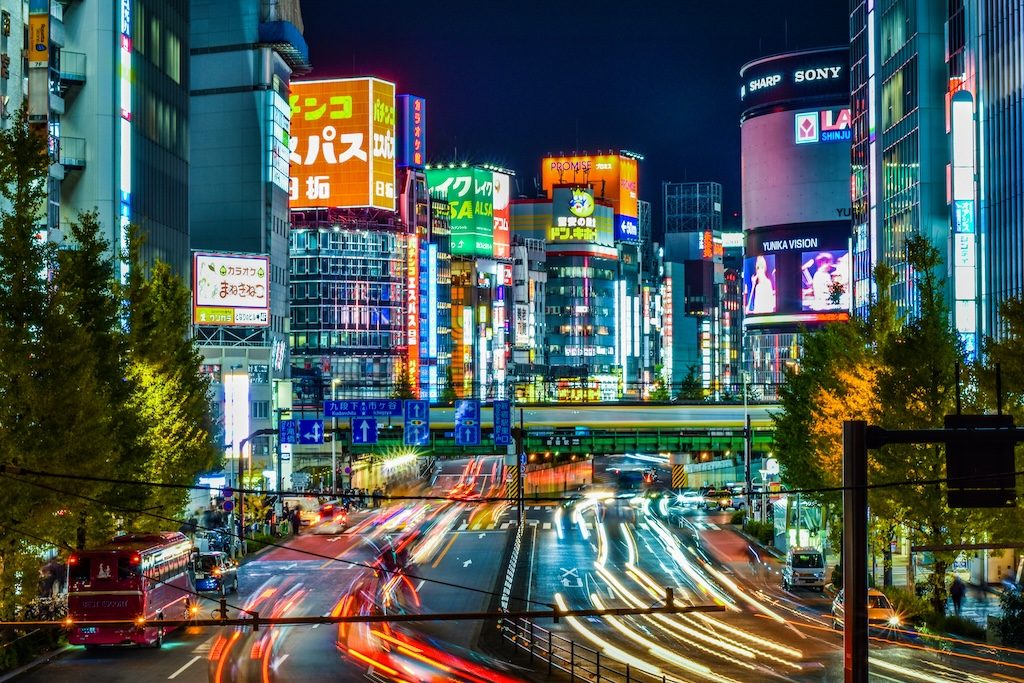
Shinjuku has a problem, and it's wearing a suitcase. The Tokyo ward, home to the world's busiest railway station and a relentless pulse of neon and nightlife, is suffocating under the weight of its own popularity. Last year, residents filed 1,300 complaints about short-term rental guests: late-night parties, garbage piling up on sidewalks, smoking in stairwells, trespassing into private areas. The real trouble is that these aren't isolated incidents. They're symptoms of a neighborhood being hollowed out.
Shinjuku isn't the first place to wake up to this reality. Valencia capped tourist rentals after residents grew exasperated, Barcelona is heading for an outright ban by 2029, and New York has tightened its rules so severely that many landlords have abandoned short-term rentals altogether. The pattern repeats everywhere: a neighborhood becomes famous, platforms like Airbnb make it absurdly easy to monetize empty apartments, and suddenly the people who actually live there become the minority.
The numbers in Shinjuku tell the story. Around 10% of Japan's entire private rental accommodation sits in this single ward. The Japan Tourism Agency has logged 3,775 registered minpaku (short-term rental homes) in the district. Now local officials want to eliminate roughly half of them, particularly those near schools and residential blocks. The remaining ones would shrink from 180 rental nights per year to just 120, cutting their commercial viability by a third.
When officials drew the correlation between rising short-term rentals and rising complaints, it wasn't abstract. "As the number of private lodging businesses has risen, complaints and troubles around them have increased," they stated flatly. The proposal aims to restore what residents actually want: quiet mornings, stable neighbors, functioning communities. The mayor is expected to approve new ordinances by February after public consultation wraps up.
Airbnb hasn't surrendered, though. In a statement to media, the platform insisted it takes local concerns seriously and suggested there's middle ground. "There is a version of this ordinance that protects residents' quality of life without closing responsible, licensed hosts," they said, hoping to negotiate rather than disappear. It's a pitch that's failed elsewhere. Belgium's housing crisis deepened partly because vacation rentals drained housing stock, and Spain forced Airbnb to delete tens of thousands of unlicensed listings when cities got aggressive.
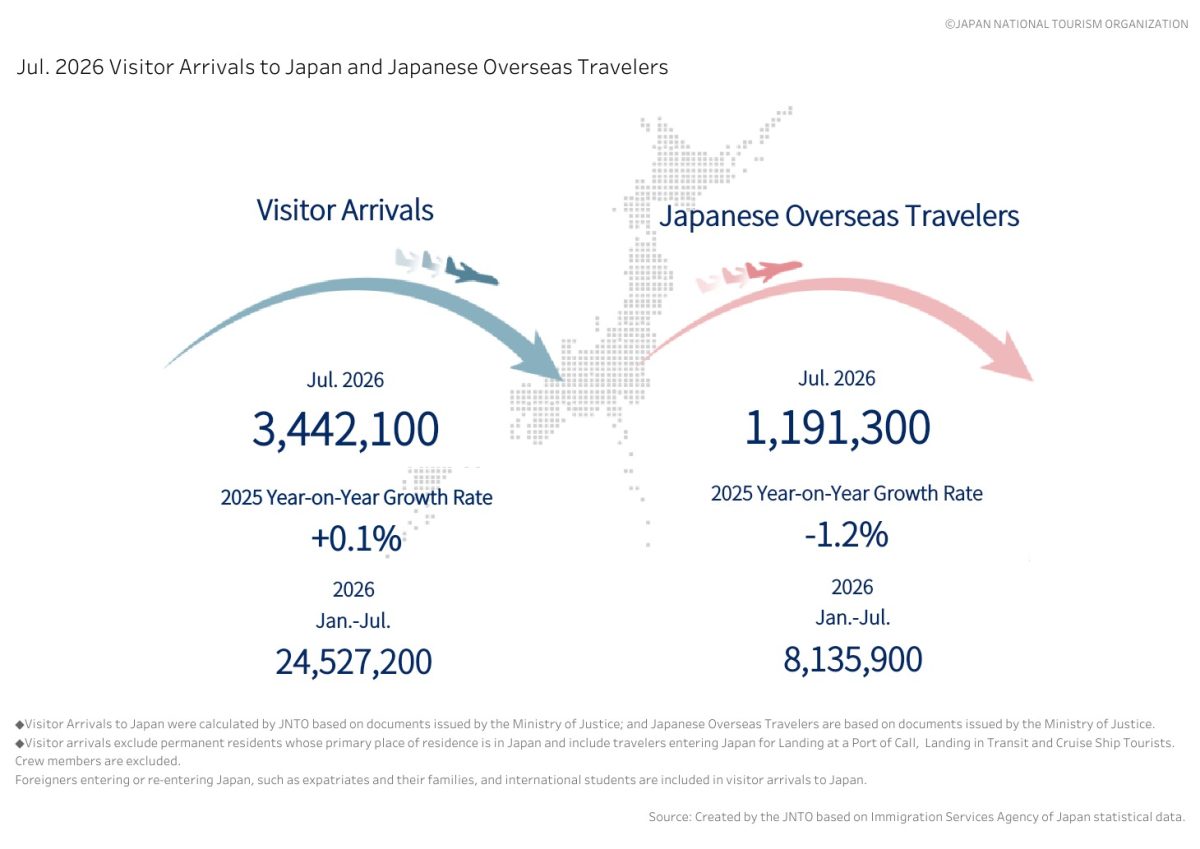
Shinjuku's move arrives as Japan pivots toward tourism as an economic engine. The government targets 60 million visitors annually by 2030, up from pre-pandemic numbers. It's a ambitious goal that puts neighborhoods like Shinjuku, Kyoto, and areas around Mount Fuji under enormous pressure. Growth looks great on spreadsheets. What it looks like on the ground is messier. More tourists means more short-term rentals, which means fewer permanent residents, which means fewer reasons for longtime inhabitants to stay.
The irony cuts deep: the very neighborhoods that draw tourists exist because people chose to live there, work there, and build lives there. Once that authentic human presence gets priced out or pushed out, what remains is infrastructure without soul. Tokyo's hotel boom reflects investment flowing toward tourism over everything else, a pattern accelerating across popular destinations worldwide.
What happens in Shinjuku over the next few months will echo. If the restrictions pass and hold, it signals that major cities are willing to choose long-term residents over short-term rental revenue. If Airbnb and other platforms negotiate a loophole, it suggests the status quo will persist. Either way, travelers planning trips to Tokyo should pay attention. The neighborhoods you want to visit exist because people lived there first. The real question is whether they'll stick around.