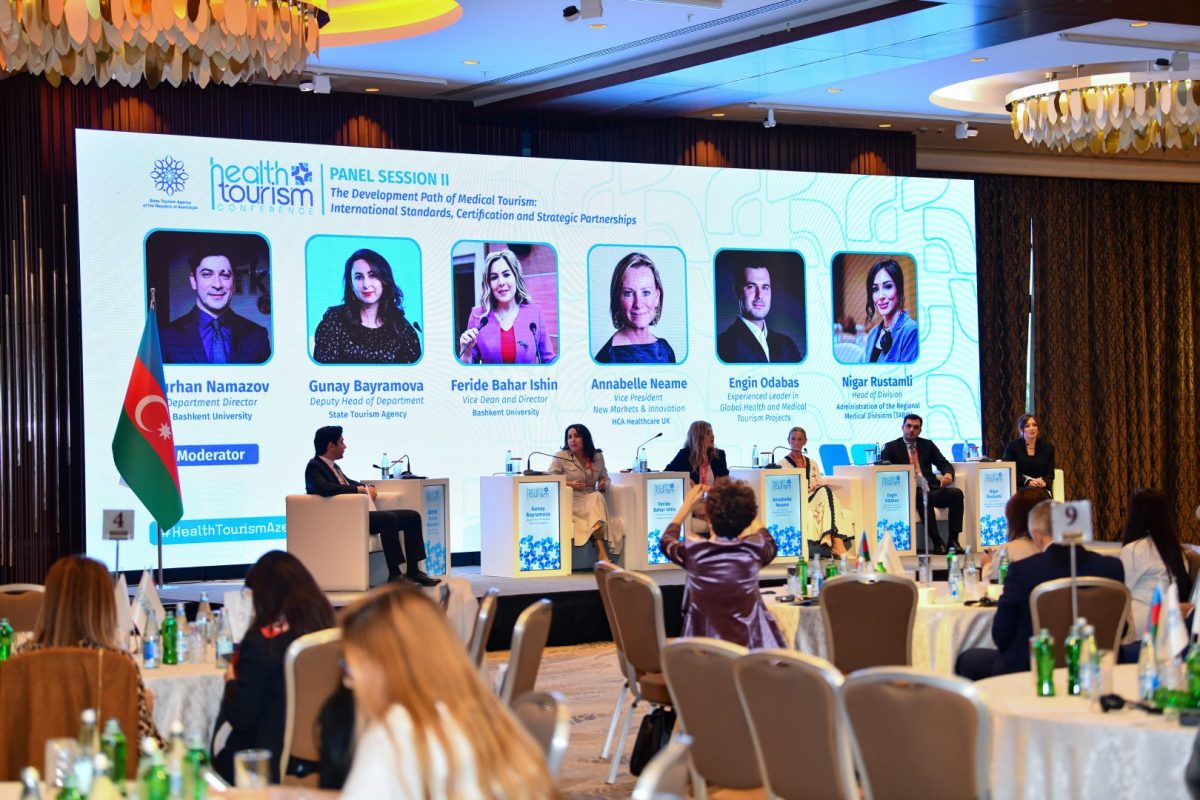
There's something happening in the Caucasus that most travelers haven't noticed yet. Azerbaijan, long overshadowed by its neighbors in the tourism conversation, is making a deliberate move into health and wellness tourism. And it's not just talk. The country is hosting a major Health Tourism Conference in Baku, bringing together medical professionals, spa operators, investors, and international experts to build something bigger than any single resort or clinic.
What's driving this shift? A newly approved national tourism strategy that runs through 2030. Approved by President Ilham Aliyev, this five-year blueprint positions health tourism as a core pillar of Azerbaijan's visitor economy, not some secondary attraction. The conference itself is embedded into the strategy as an annual event, which signals serious commitment.
What Makes Azerbaijan Different as a Wellness Destination
Most countries trying to build health tourism start from scratch. Azerbaijan doesn't have that problem. The country sits on natural assets that wellness travelers crave: mineral-rich thermal springs, therapeutic mud deposits, and Naftalan oil, which has been used for healing purposes for centuries. Add in an expanding network of modern spa facilities and medical clinics pursuing international accreditation, and you've got the bones of something compelling.
But Azerbaijan isn't just packaging spa days and medical procedures. The broader vision encompasses prevention, rehabilitation, balneotherapy, and immersive nature-based wellness experiences. Think thermal baths fed by ancient springs, not just another luxury resort marketing the same European template.
Building the Infrastructure
The Health Tourism Conference, first held in Shusha in 2024, has evolved into a serious networking platform. The Baku gathering brings together healthcare institutions, tourism operators, destination developers, and investors for panel discussions and business meetings. The goal is straightforward: connect the right people so that partnerships actually happen and new wellness products get built.
Behind the scenes, Azerbaijan is tightening standards. The country plans to improve regulations around medical facility accreditation specifically for tourism purposes. By 2030, at least five facilities are expected to complete international accreditation processes. Quality control matters when you're asking travelers to come for medical care.
Europe Is Paying Attention
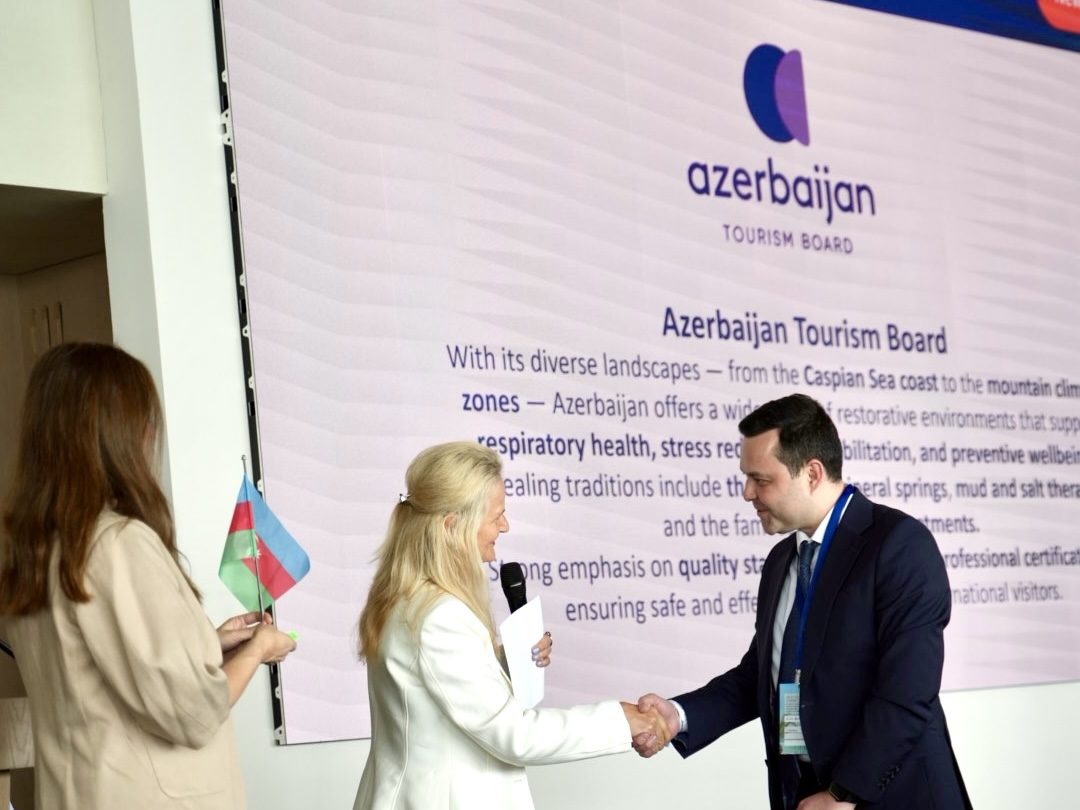
Azerbaijan's international profile in wellness is rising fast. At the HEALTHXCHANGE Summit 2026 in Varna, organized by the European Spas Association (ESPA), the Azerbaijan Tourism Board made a significant play. Deputy Chairman Teymur Suleymanzada presented the country's thermal resources, climate advantages, and growing spa infrastructure directly to European stakeholders. The bigger news? Azerbaijan joined ESPA as an advisory member, positioning itself at the table where European wellness standards and best practices get shaped.
This matters because European travelers are increasingly focused on prevention, longevity, and genuine wellness rather than quick fixes. They're also sophisticated about what they expect from wellness destinations. Having a voice in European spa circles gives Azerbaijan credibility and access to knowledge about what works.
Part of a Larger Transformation
Health tourism isn't happening in isolation. It's one piece of a broader strategy to diversify Azerbaijan's appeal across cultural tourism, nature experiences, adventure, and gastronomy. The country wants to position itself as a multi-faceted Caucasus destination, not just one thing. Similar to how smart destinations build identity through multiple sectors, Azerbaijan is doing the same work.
The 2026-2030 programme also includes developing Silk Road tourism products, launching eight cultural tourism experiences, and investing in monument restoration. Each initiative supports the others. A traveler coming for thermal baths might also visit restored historical sites or experience local food culture. That diversification keeps visitors longer and distributes economic benefits across regions.
What This Means for Travelers
If you're considering wellness travel in the next few years, Azerbaijan deserves attention. The conference signals that serious money and expertise are flowing into the sector. New facilities will open. International standards will be enforced. European wellness travelers will start booking, which tends to drive quality improvements across the board.
Right now, Azerbaijan remains relatively undiscovered in wellness circles. That window won't last forever. The country is making clear, strategic moves to become a recognized player in health tourism. The conference isn't just an industry event; it's a public declaration that Azerbaijan is serious about building something that competes with established wellness destinations.