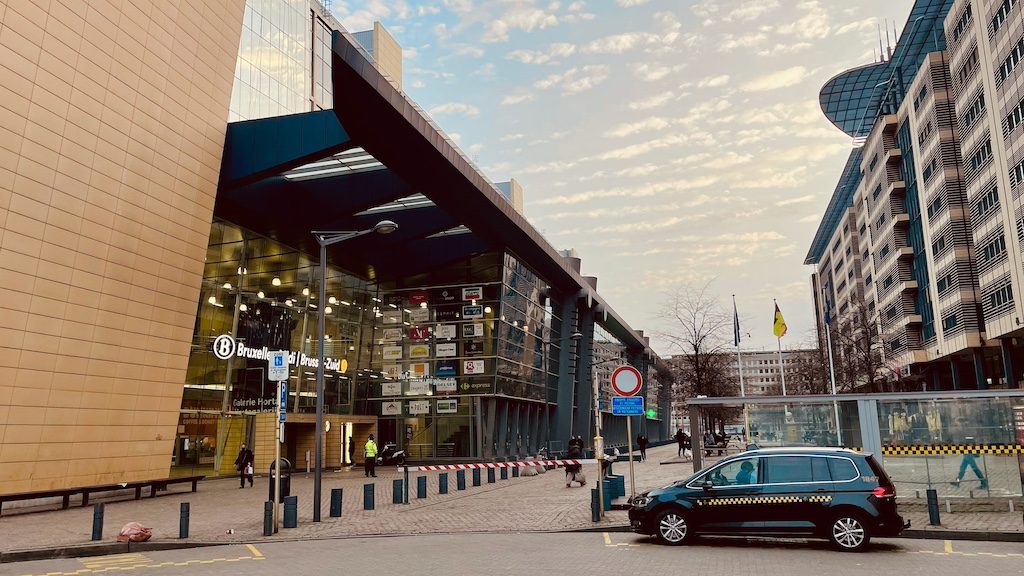
Monday, March 23, 2026 turned into an evening nobody commuting through Brussels will forget. Around 5:20 pm, Belgian police cleared Brussels-Midi station and its connected metro stop entirely. Two (and later three) suspicious packages had been spotted: one aboard a train at platform 20, another on platform 18. The scene shifted quickly from routine evening rush hour to full evacuation mode.
What made these packages alarming enough to shut down one of Europe's biggest rail hubs? Workers from Belgium's national rail operator SNCB flagged a cylindrical bag with wires connected to a phone sitting on top. The package carried warning labels for both explosive and corrosive contents. When you're working at a major transit hub, that's the kind of discovery that demands immediate police involvement.
Federal police and Belgium's defence ministry swung into action, with DOVO (the country's bomb disposal unit) moving in to analyze each package. The conclusion came around 8 pm: all three packages were harmless. False alarm, yes, but the kind that can't be ignored or rushed.
What actually happened to train service
The impact rippled across Belgium's entire rail network. About 90 minutes passed with zero trains moving through the station. Once authorities determined the packages posed no threat, trains gradually resumed using platforms 3 through 13. By roughly 8 pm, most operations returned to normal, though platforms 19 and 20 stayed closed a while longer.
Why such a big deal over one station? Brussels-Midi is the spine of Belgian rail. Roughly a third of all trains running in Belgium flow through the Brussels-Midi to Brussels-North corridor. It's also the gateway station for international services heading toward major European cities like London, Amsterdam, and Paris. Delays cascaded across the network, and plenty of passengers saw their evening plans derailed.
Interior Minister Bernard Quintin confirmed the restart on social media, noting that the station had undergone thorough inspection before reopening. Service resumed, passengers moved on, and normalcy returned by evening's end.
The weight of timing
What made this scare feel especially heavy was the calendar. Monday, March 23 fell exactly ten years and one day after the coordinated bombings of March 22, 2016, when Islamic State militants struck Brussels Airport and Maalbeek metro station, killing 32 people. Survivors still carry both physical and psychological marks from those attacks. King Philippe and senior government figures had gathered just the day before to honor those victims at a remembrance ceremony.
So when alarms sounded at another major transit point barely 24 hours later, the historical weight pressed down hard on everyone involved. Belgium has worked to rebuild confidence in its security infrastructure and public spaces over the past decade. An incident like this, even with a benign outcome, tests that progress.
For travelers planning trips to Belgium, which has been breaking tourism records, this serves as a reminder that major European transit hubs take security seriously. False alarms happen. When they do, expect disruption, patience from authorities, and thorough investigation before service resumes. That's the trade-off for the safety of millions of people moving through these stations daily.