Belgium just wrapped up its strongest tourism year on record. Nearly 46 million people spent the night somewhere in the country during 2025, a 3% climb from 2024. That translates to roughly 19.6 million separate arrivals, with most visitors staying just over two nights. Whether they came for city breaks, business conferences, or something in between, one thing is clear: Belgium is working.
Hotels remain the backbone of Belgian tourism, accounting for 21.4 million stays (about 46% of the total), but the real action is happening elsewhere. Campsites exploded with an 11% jump in overnight stays, while holiday homes and recreational parks also pulled in more guests. Not a single accommodation type declined. This isn't just growth at the top of the market. It suggests Belgium's tourism industry is finally ditching its playbook, catering to travelers with different budgets and preferences.
The Regional Split
Flanders dominates the numbers, capturing nearly two-thirds of all overnight stays. The region's medieval cities, coastal towns, and cultural attractions make it an obvious draw for international visitors from the Netherlands, France, Germany, and the United States. Even Chinese tourism has bounced back hard, up more than 50% from 2023. But don't sleep on Wallonia. The southern region may only account for one-fifth of total stays, yet it's growing the fastest at 6% year-over-year. Brussels, the capital, held steady at around 16% of the national total.
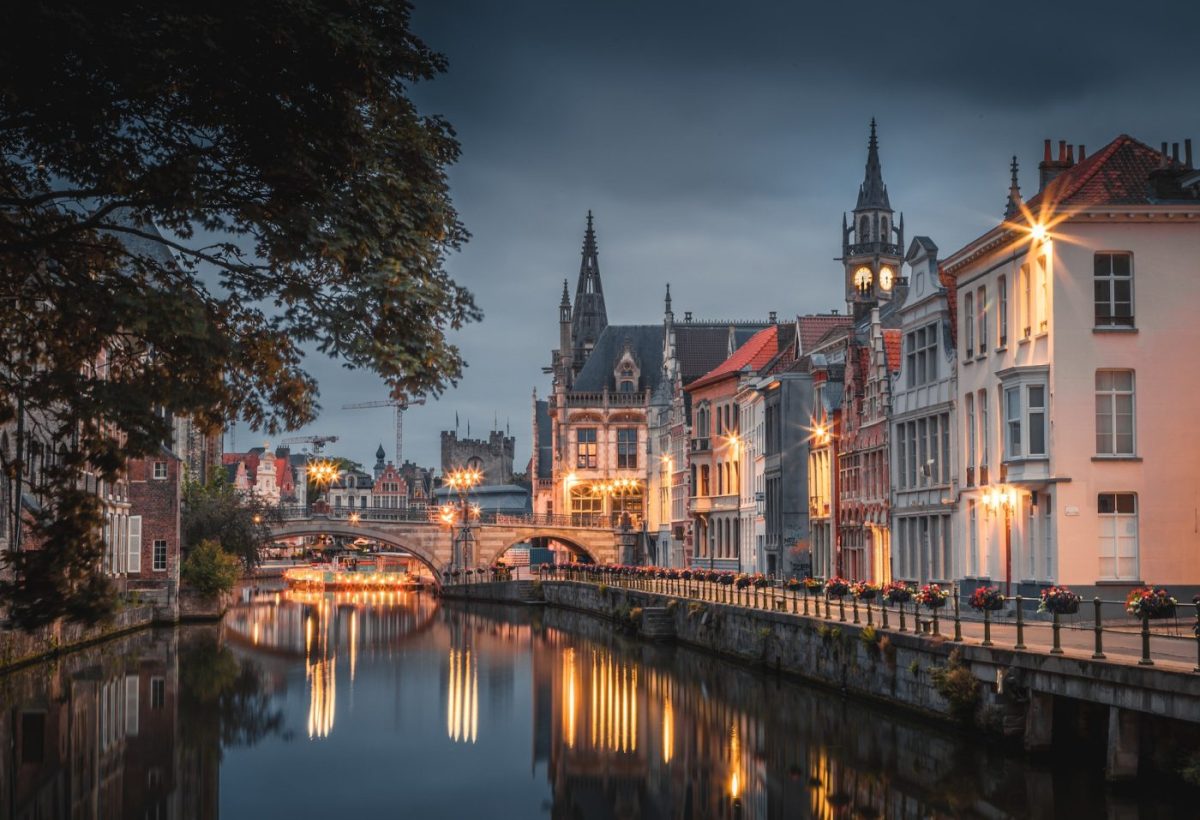
In Flanders, cities like Ghent and Antwerp pull visitors with their architecture and museums, while coastal spots such as Knokke-Heist and Ostend draw walkers and cyclists, especially when the weather turns warm. For something wilder, there's Hoge Kempen National Park and Bokrijk. Wallonia plays a different card entirely. The Ardennes region sells itself on forests, rivers, and rolling terrain perfect for hiking and kayaking. Towns like Durbuy and Dinant offer that postcard-perfect small-town charm, while historic castles such as Bouillon provide layers of history. Brussels, meanwhile, balances grand old landmarks (the Grand Place, the Atomium) with world-class museums and a seriously impressive food scene.
Infrastructure Keeping Pace
Getting people to Belgium requires reliable air connections, and Brussels Airport delivered. The hub handled 24.4 million passengers in 2025, up 3.3% despite national strikes that wiped out thousands of flights. The airport didn't just survive the turbulence; it expanded. Three new airlines joined the network, six new destinations came online, and several of those routes reach across the Atlantic to places like Atlanta and Hong Kong. International cargo volumes climbed as well, cementing Brussels Airport's role as a genuine European hub.
What makes this growth particularly interesting is its breadth. Belgium's push toward inclusion shows in local programs like "Everyone deserves a holiday" work to make travel accessible across income levels, even as growth soars. Tourism itself props up the Flemish economy with over 300,000 jobs and 9.5 billion euros in annual output as of 2022.
What 2025 Reveals
This record-breaking year reveals something simple: travelers want options. They want medieval streets and modern museums, quiet campgrounds and five-star hotels, nature hikes and city nightlife. Belgium offers all of it within a surprisingly compact geography, and people are catching on. The 3% growth might sound modest, but it compounds. With continued airport investment and a tourism sector that's actively working to welcome everyone, Belgium looks positioned to keep climbing.