Most travelers who land in Brussels chase Belgian waffles and Art Nouveau architecture. Few realize they just missed something rare: a live performance of Azerbaijani jazz, a musical hybrid so specific it barely registers outside its birthplace.
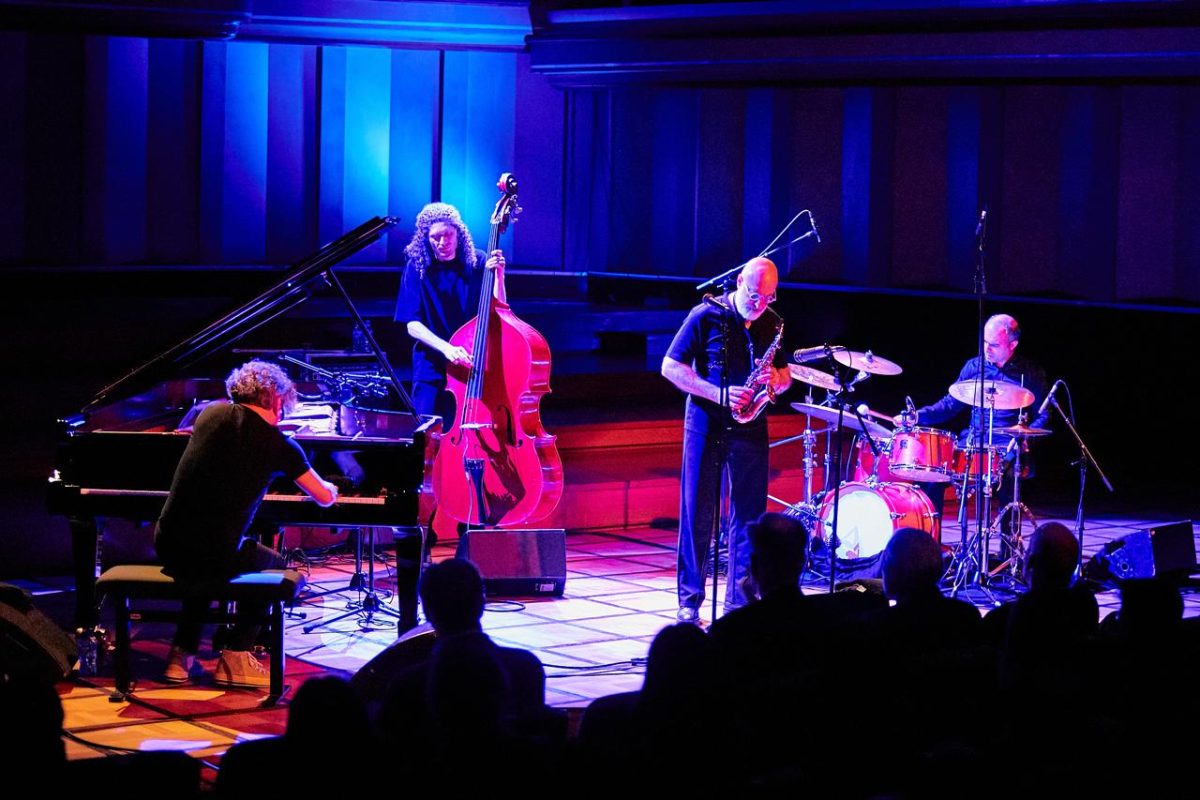
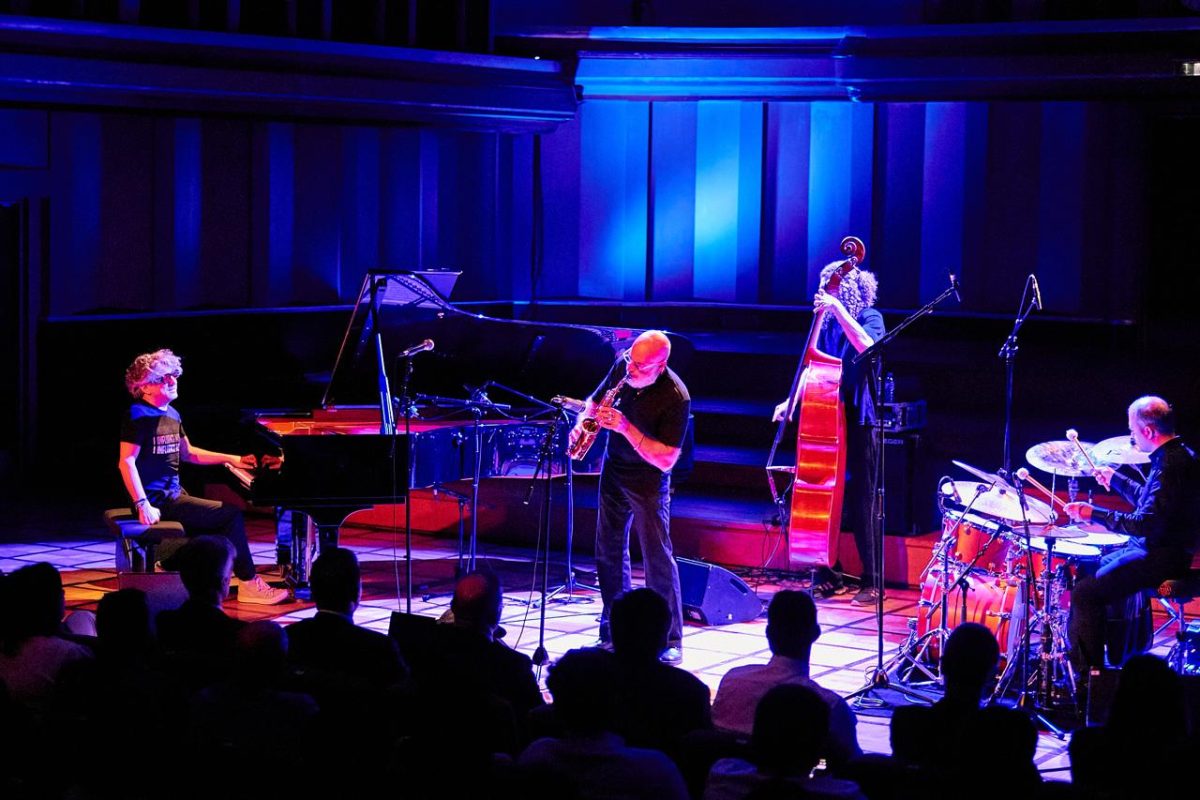
But this week, the curtain lifted. At Flagey, one of Brussels' crown-jewel cultural spaces, four of Azerbaijan's finest musicians took the stage to introduce European ears to jazz mugham. Rain Sultanov, Shahin Novrasli, Nicat Pashazade, and Hasan Bilalov performed works that blend American jazz improvisation with the ornate, meditative traditions of Azerbaijani mugham music. The result sounds like two musical worlds realized they were meant to meet.
"This isn't fusion in the way you might expect," explains Mammad Zulfugarov, the Azerbaijani Embassy's Chargé d'Affaires, who opened the concert. It's not slapping a sitar over a drum machine. Instead, jazz mugham operates on a deeper logic. Both jazz and mugham live and breathe through improvisation. Both resist rigid structures. Both require musicians who understand space as an instrument.
How a Soviet Apartment Spawned a Genre
Jazz arrived in Azerbaijan during the 1920s roaring. Tofig Guliyev and conductor Niyazi launched the country's first jazz orchestra in the 1930s. For a brief window, Baku swung. Then came the Soviet crackdown. After World War II, jazz was banned across the entire Soviet Union. Musicians went underground.

In a small apartment in Baku's old city, pianist and composer Vagif Mustafazadeh did something radical. He stopped fighting the ban and started composing anyway, weaving mugham's ornamental melodic language into jazz harmony. Working in secret, he created an entirely new subgenre. Mustafazadeh never performed this music publicly during his lifetime, yet his legacy survived. Today, he's revered as the founder of Azerbaijani jazz, and his innovation evolved into what musicians call ethno-jazz.
Rain Sultanov, one of Monday's performers, captured it perfectly: "Just like jazz, mugham is multifaceted, inexhaustible, based on improvisation and possessing different forms. In Baku, a new and already local subgenre of jazz organically and subtly merged into one, wisely and philosophically revealing to us the intricacies of jazz improvisation in mugham stops."
From Underground to International Stage
When the Soviet Union dissolved, Azerbaijani jazz exploded into daylight. The first official Baku Jazz Festival arrived in 1969. Since the 2000s, major jazz and music festivals have become annual fixtures. The Baku Jazz Centre now actively develops the country's jazz culture and nurtures emerging talent.
Since 2005, the Baku International Jazz Festival has run every year, celebrating established artists while creating platforms for young musicians to cut their teeth. Belgian composer and jazz artist Quentin Dujardin attended the festival and was struck by the sheer caliber of musicianship and the precision of the event's organization. "What impressed me most," he said after Monday's Brussels concert, "was the distinctive voice of the Azerbaijani jazz school. These aren't musicians imitating American traditions. They've created something genuinely their own."
The Brussels performance drew diplomats, EU officials, cultural leaders, and members of Baku's diaspora. The audience response confirmed what those in the know already understood: Azerbaijan is investing heavily in establishing itself as a cultural destination, and its music scene is part of that strategy. Events like this don't happen by accident. They're carefully calibrated introductions.
If you find yourself in Brussels and crave more than the usual tourist circuit, dig deeper. The city's venues punch well above their weight, hosting performances most travelers never hear about. And if you're planning a longer journey, Baku increasingly deserves a serious look on the map. The jazz scene is only part of what's happening there.
Louis Armstrong once said, "If you have to ask what jazz is, you'll never know." In Azerbaijan, they don't ask. They feel it. That feeling is worth traveling for.