Mark your calendar for August 28, 2026. On that Friday night, Greece is handing you the keys to 126 of its most stunning ancient sites without asking for a single euro. The country's Ministry of Culture has been running this tradition for nearly three decades, and this year's edition promises to be just as enchanting as the last.
The gates open at 7:30 pm and stay unlocked until midnight, transforming Greece's archaeological landscape into something altogether different from the daylight version most tourists see. The moonlight rewrites the entire experience. Shadows deepen. Details emerge. The air feels heavier with history when you're standing in these places after sunset.
The heavy hitters you should know about
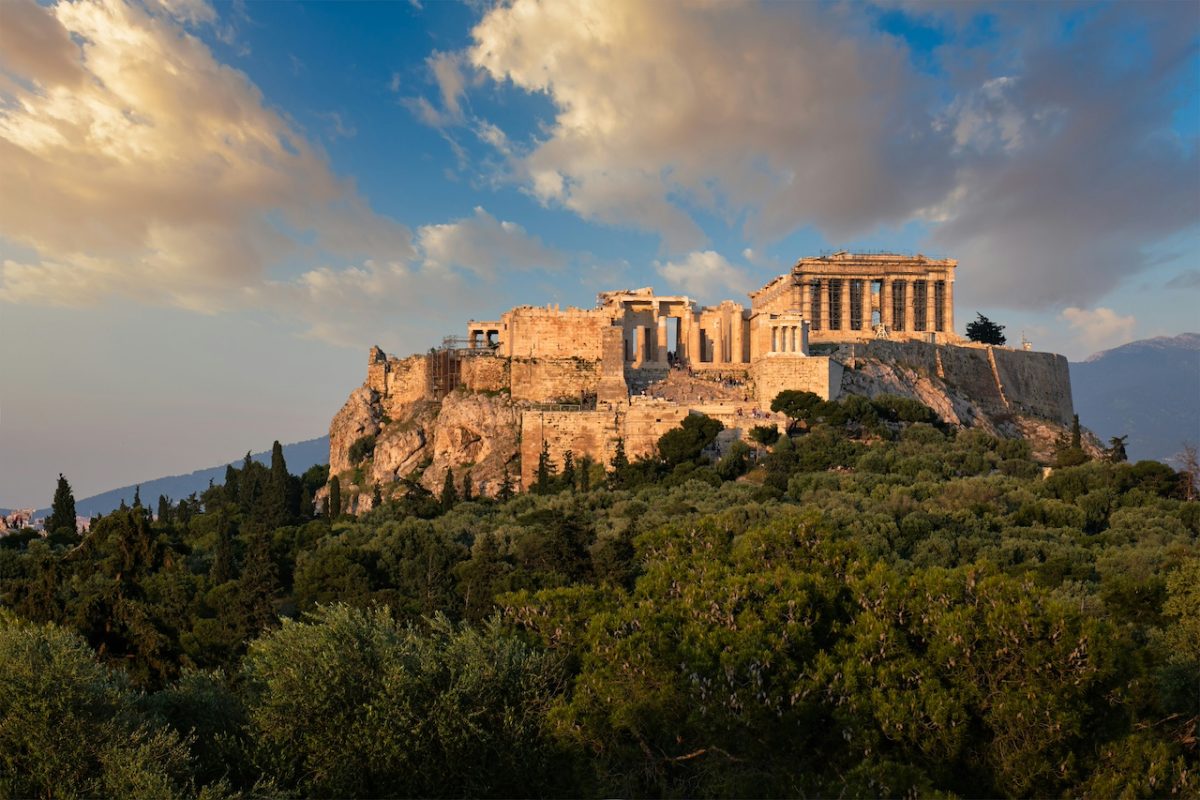
Yes, the Acropolis Museum in Athens is participating. Yes, Delphi and Ancient Olympia are throwing open their doors. The museum's permanent collection still requires regular admission, but you'll get free access to the special exhibition "Inspiration: Ancient Greek Art in Italy." At Olympia, archaeologists will lead guided tours until the stroke of midnight, adding scholarly context to what you're seeing.
These are the sites everyone knows. The selfie spots. The ones already crowded by noon in summer. But here's the thing about this event: it's an excellent excuse to skip the tourist circuit entirely.
The hidden experiences worth seeking out
Yahya Davud, founder of Bnbstay, made a compelling case for visiting the Necromanteion of Acheron, a sanctuary perched above the River Acheron in Epirus. Ancient Greeks believed this place was literally where you could commune with the dead, a gateway between worlds. They'd travel here specifically to speak with spirits. "Everything here was built around darkness and rituals," Davud explained. "A night visit during a full moon isn't just spectacular. It's how this place was actually meant to be experienced, far closer than any daytime walk could ever get you." This is temple tourism with genuine atmosphere, not just Instagram backdrops.
Medieval Mystras in Sparta offers a different kind of haunting. The ghost town's Palace of the Despots comes alive in the moonlight, its stone corridors stretching back through centuries. Wandering these passages at night feels less like sightseeing and more like time travel.
What else is happening
The full moon celebration isn't confined to a single evening. The Ministry of Culture has extended programming across August 26, 27, 29, and 30 as well. Many sites are hosting concerts, theatrical performances, dance productions, and special exhibitions alongside the standard guided tours. A complete list of participating sites and their specific events is available through the Ministry's official website, where you can see exactly what's happening at each location.
Most sites are completely free, but booking ahead is smart. Popular locations fill up, and showing up without a reservation might mean getting turned away. Greece has been crushing its tourism numbers lately, and this event draws serious crowds.
How to make the most of it
Start planning which sites actually call to you rather than which ones are famous. A 20-minute drive to a smaller sanctuary beats fighting crowds at a major site. Bring water. Wear comfortable shoes. The moonlight is beautiful but it's not bright enough to navigate uneven ancient stone easily. Bring a light source, something dim that won't ruin anyone else's night views.
This event sits at the intersection of free admission and genuine magic. Few travel experiences offer both. You get to wander through the birthplaces of Western civilization under starlight, listening to archaeologists who actually care about the stories they're telling, maybe catching a live performance echoing off 2,000-year-old walls. That's not just tourism. That's memory.