There are moments when a country stops tweaking its economy and starts rewriting it from scratch. Saudi Arabia is living through one of those moments right now, and tourism is the proving ground.
Under Vision 2030, the Kingdom has done something different than most nations attempting to grow their tourism sector. It hasn't simply built more hotels or launched ad campaigns. It has woven tourism into the same institutional fabric that controls oil revenue, infrastructure spending, and national investment priorities. Tourism isn't a side bet. It's becoming a main pillar.
The Numbers That Capture Everything
Start with the raw performance. Saudi Arabia welcomed 116 million tourists in 2024, a 6% jump from the year before. The Kingdom hit its original target of 100 million visitors seven years ahead of schedule. Tourism spending reached 284 billion Saudi riyals. These aren't just numbers on a dashboard. They signal that something structural has shifted.
Compare this to how tourism typically evolves in other countries. Usually, hotel projects get approved here, aviation capacity expands there, cultural initiatives pop up somewhere else. The pieces exist, but they rarely sync. Saudi Arabia chose the opposite path. Infrastructure, capital deployment, visa access, hotel development, entertainment venues, heritage conservation, and pilgrimage routes all moved forward as one coordinated system. The result feels less like tourism growth and more like the construction of an entire visitor economy.
Where the Real Strategy Lives
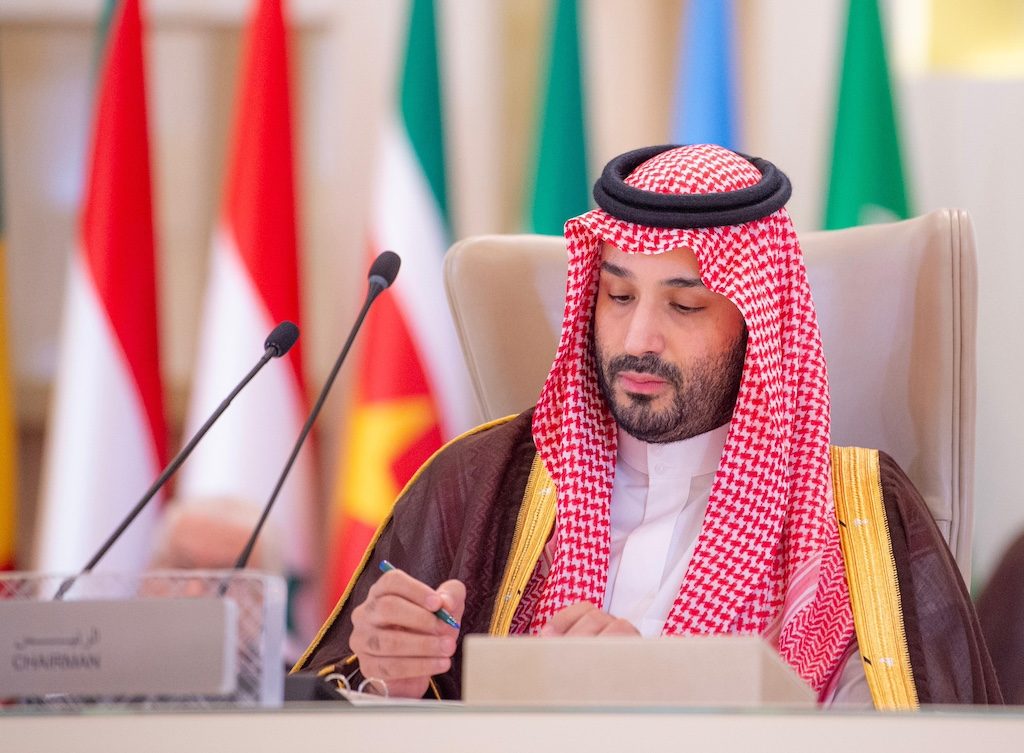
Crown Prince Mohammed bin Salman and the Public Investment Fund have been explicit about what comes next. In April 2026, the PIF board approved a new strategic framework that moves Saudi Arabia from a Growth phase into what it calls Value Realization. Translation: scale alone no longer matters. Performance depth, ecosystem strength, and long-term returns do.
That shift matters enormously because tourism has been formally designated as one of six competitive domestic ecosystems driving the country's future. This isn't ceremonial language. The PIF manages over $900 billion in assets, a sevenfold increase from 2015. Between 2021 and 2025, it invested $199 billion into new domestic projects and contributed $243 billion to real non-oil GDP. When an institution of that scale and seriousness puts tourism on its priority list, investors notice.
Most observers see the individual pieces: new resorts, expanded airports, visa reforms to 66 countries. What they should be tracking is the operating logic beneath. The e-visa expansion looks like bureaucratic tinkering on the surface. In practice, it's friction removal, one of the most underrated competitive advantages in global travel markets. Every barrier eliminated is a potential traveler converted.
Speed and Conviction as Weapons
Here's what separates Saudi Arabia from other ambitious tourism destinations: consistency. A clear national direction backed by sovereign capability creates something that global capital craves: reduced ambiguity. Investors and operators need to know that a government's commitment won't evaporate in the next election cycle or when market conditions shift.
Saudi Arabia in 2024 ranked third globally in international tourist arrival growth compared to 2019, surpassing 61%. That's not recovery. That's competitive outperformance in a crowded field. The Kingdom is pulling market share from established players because it has made tourism central to how it wants to be perceived and how it wants to grow. Visitors feel that clarity. Companies sense it. Capital recognizes it.
The broader implication for global travel is worth considering. As other tourism destinations battle recovery challenges and aging infrastructure, Saudi Arabia is building systems designed for the next decade. It's not waiting for tourism to happen. It's engineering the conditions that make tourism inevitable.
For travelers, this translates into new routes, more competition among airlines and hotels, and destinations with genuine capital behind them. For global tourism markets, it signals that traditional power centers face real competition from players willing to invest at scale and sustain it. The impact of that shift is still unfolding, but the trajectory is already visible.