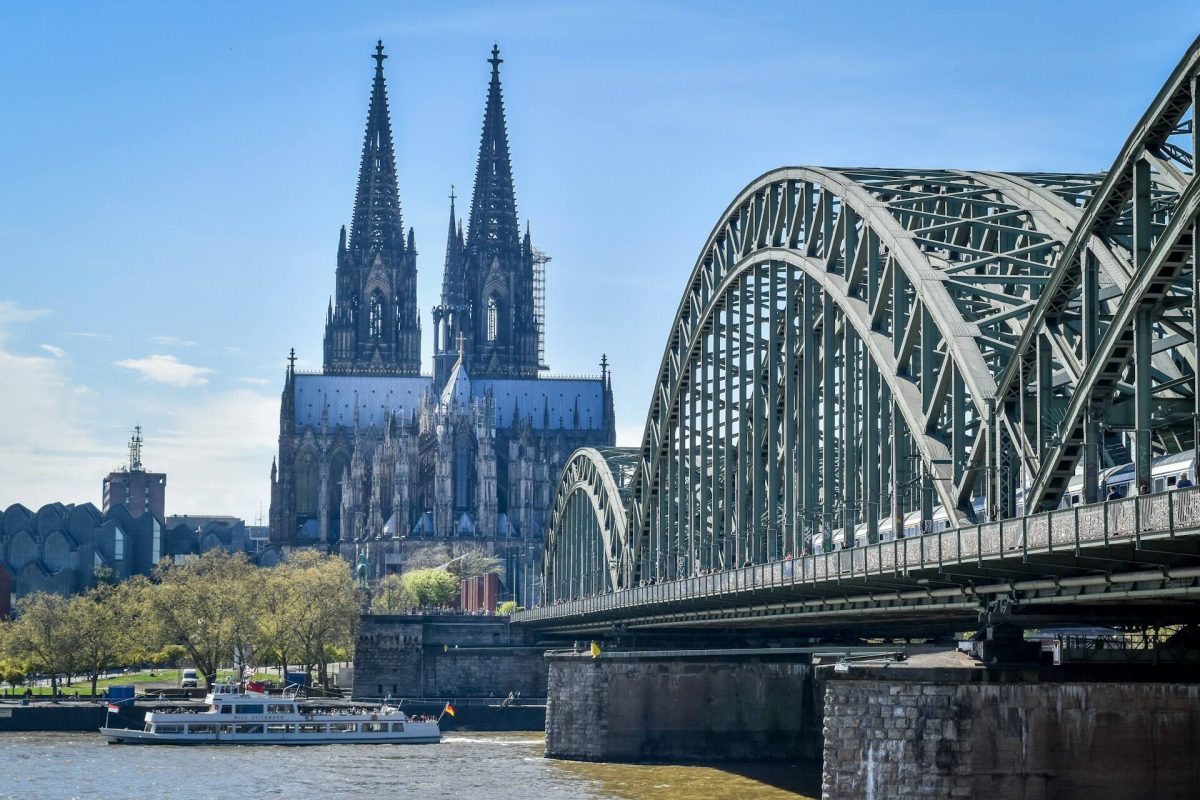
Cologne Cathedral sits at the intersection of piety and pragmatism, and right now, Germany is wrestling with which side should win. The sprawling Gothic monument that has welcomed pilgrims and curious travelers since 1248 is about to start charging for entry, and the decision has divided the nation in ways few could have predicted.
For centuries, walking through the cathedral doors cost nothing. That changes later in 2026, when officials plan to introduce admission fees estimated between 12 and 15 euros per visitor. Worshippers will be exempt (they account for only 1% of the six million annual visitors anyway), but tourists will pay. The cathedral's leadership sees no way around it. Maintenance bills are crushing them: approximately 16 million euros this year alone, with reserves drying up fast after pandemic losses. As cathedral administrator Clemens van de Ven told AFP, "We have reached a point where the reserves of Cologne Cathedral will be depleted in the foreseeable future."
The numbers tell a stark story. This isn't just any church. UNESCO declared that "no other cathedral is so perfectly conceived, so uniformly and uncompromisingly executed in all its parts." The building took 632 years to complete and once held the title of world's tallest structure. Its twin spires create the largest facade of any cathedral on Earth. Germany's most-visited landmark, it draws nearly as many people as some countries. Keeping that monument from crumbling requires serious money.
But critics say charging admission transforms a sacred space into a tourist trap. Barbara Schock-Werner, an architect leading the conservation group Zentral-Dombau-Verein zu Köln, called the move "socially unjust." She worries that pricing out ordinary people from visiting means only the wealthy can afford to experience one of Christianity's greatest achievements. "If only the well-off can afford to go into a church, I think that's unfair," she told local media.
Not everyone agrees. Artist Gerhard Richter, who created bespoke stained glass windows for the cathedral in 2007, supports the fee. He's right that Cologne won't be alone: major attractions globally now charge admission. Barcelona's Sagrada Familia asks 26 euros, and the money funds ongoing construction. St. Peter's in Rome remains free, as does Notre Dame in Paris (which proudly states it is "open to all, freely and without charge"), but they're exceptions rather than the rule. This year, Barcelona is actually going in the opposite direction, waiving fees on certain dates to celebrate its centenary.
The timing matters. Travel patterns have shifted dramatically since the pandemic, and popular destinations everywhere face the same squeeze: how do you maintain world-class sites when visitor numbers soar but funding doesn't? The cathedral sits in one of Europe's most visited cities, attracting a relentless stream of travelers checking boxes on their Grand Tour. That's magnificent for the local economy and terrible for a 776-year-old building.
What happens when heritage sites become too expensive to visit? That's the question haunting this debate. Cologne Cathedral isn't some exclusive museum or luxury resort. It's a functioning church, a UNESCO World Heritage site, and a symbol of German cultural identity. For budget travelers and pilgrims of modest means, the 12 to 15 euro charge could be the difference between a visit and walking past.
By later this year, the cathedral will announce its final price and implementation date. Whatever number they land on, it signals a shift in how Europe manages its most treasured monuments. The doors that opened to everyone for nearly eight centuries are about to come with a price tag. Whether that's necessary stewardship or regrettable commercialization probably depends on which side of the argument you stand.