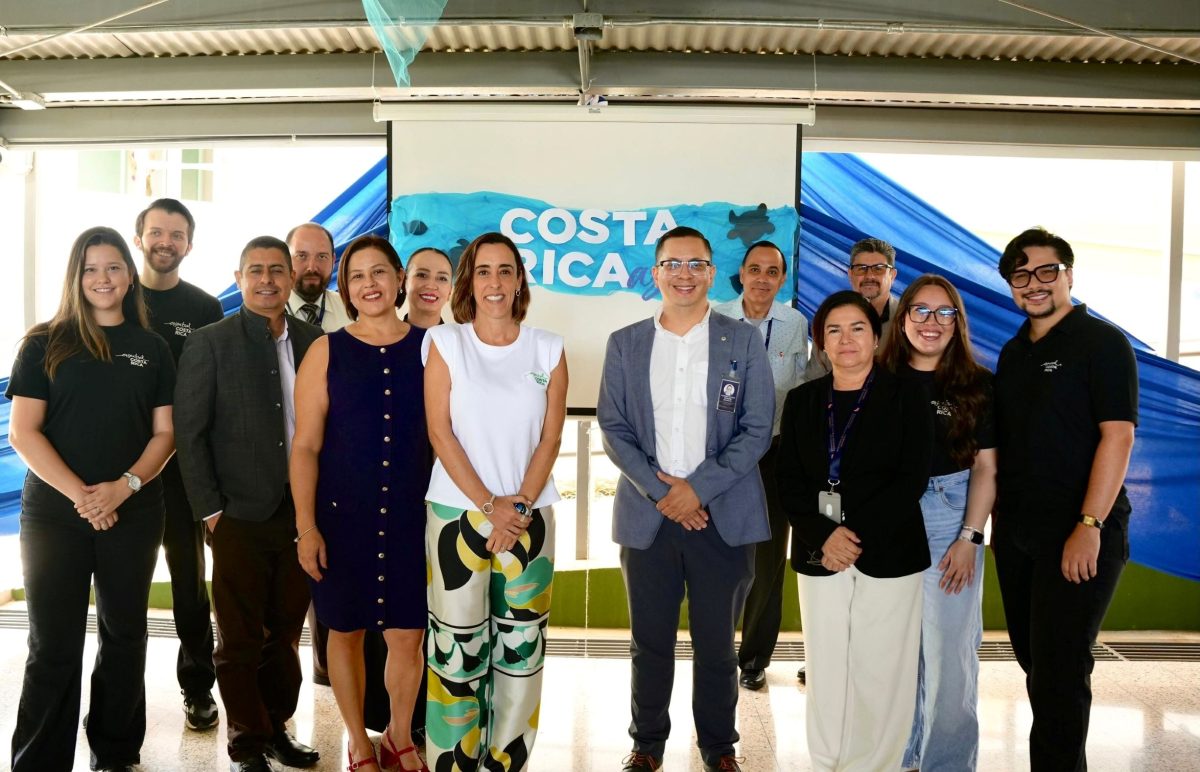
Costa Rica did something bold recently. Instead of keeping its ocean riches locked away, the country built a free digital gateway where anyone, anywhere can explore what lurks beneath its waves. The platform, called Costa Rica Azul (Costa Rica Blue), launches travelers, students, and ocean lovers into an interactive experience that feels less like a textbook and more like stepping into an aquarium without the crowds.
Here's the basic premise: knowledge changes minds. Adriana Acosta, director of the country's brand initiative, put it simply: understanding your surroundings is the first step to protecting them. By giving the world access to interactive tours of Costa Rican waters, the platform invites people to develop a genuine stake in ocean health. It's a clever move in a country where over 90 percent of the territory is ocean. Yes, you read that right. While most people think of Costa Rica's lush rainforests and national parks, the nation's marine territory is roughly 10 times larger than its land area.
Explore 7,000 Species From Your Couch
The platform doesn't just throw facts at you. Users can dive into detailed profiles of more than 7,000 marine species living in Costa Rican waters, each with specifics about ideal habitats, temperature preferences, and pressure conditions they thrive in. Want to understand coral reefs? The platform walks you through ecosystems most travelers never see. Curious about seamounts or the dangers of overfishing? Both are covered.
What makes this different from a standard Wikipedia scroll is the immersive design. You're not just reading about a fish, you're discovering where it lives and why those conditions matter. For educators bringing groups to Costa Rica, this kind of preparation deepens travel experiences long before anyone boards a plane.
Why Costa Rica's Ocean Matters to Everyone
The numbers alone should catch your attention. Our oceans produce more than half the oxygen we breathe and absorb nearly 30 percent of the carbon dioxide humans pump into the atmosphere. That makes ocean health a human health issue, whether you live on a coast or not. Costa Rica holds approximately 3.5 percent of the world's documented marine species in its waters, making it a biodiversity hotspot that rivals its famous land-based reserves.
For decades, Costa Rica earned global recognition for protecting its forests and wildlife on land. Rangers patrol national parks. Governments enforce conservation laws. But the country's blue territory went comparatively unnoticed in public consciousness. "Costa Rica is a deeply blue country, yet we are not always fully aware of what that means," Acosta noted. The platform essentially invites locals and visitors alike to reconnect with that hidden half of their country.
Built for Classrooms and Curious Minds
The Costa Rica Azul project wasn't designed in isolation. The Ministry of Public Education partnered on development to make sure the platform aligns with national science and biology curricula. Teachers can use it as a classroom supplement, while younger students can explore during study halls. But it's not locked behind school logins. Anyone can access it free, which means a kid in Colombia or Canada can start learning about Costa Rican marine life right now.
Alfredo Ortega Cordero, who heads secondary education at the ministry's curriculum directorate, emphasized that the tool strengthens classroom teaching rather than replacing it. For educators planning trips to Costa Rica, this platform becomes a natural pre-travel resource. Bring students in prepared, and they'll spot species they've already researched. They'll understand the conservation challenges locals face. They become engaged participants in the story, not passive observers.
What This Means for Your Next Trip
If you're thinking about traveling to Costa Rica, this changes how you explore the country. Before hiking to a waterfall, spend an hour learning which creatures depend on that watershed. Before diving off the Pacific coast, understand the coral formations and fish species around you. You'll return home with stories that matter because you'll understand the science behind them.
The platform represents something bigger than just a website. It's a bet that when people truly understand what surrounds them, they make different choices. They vote differently. They travel more responsibly. They become ambassadors for places they care about. In a world where tourism can strain fragile environments, that shift in perspective might be the most valuable export Costa Rica could offer.