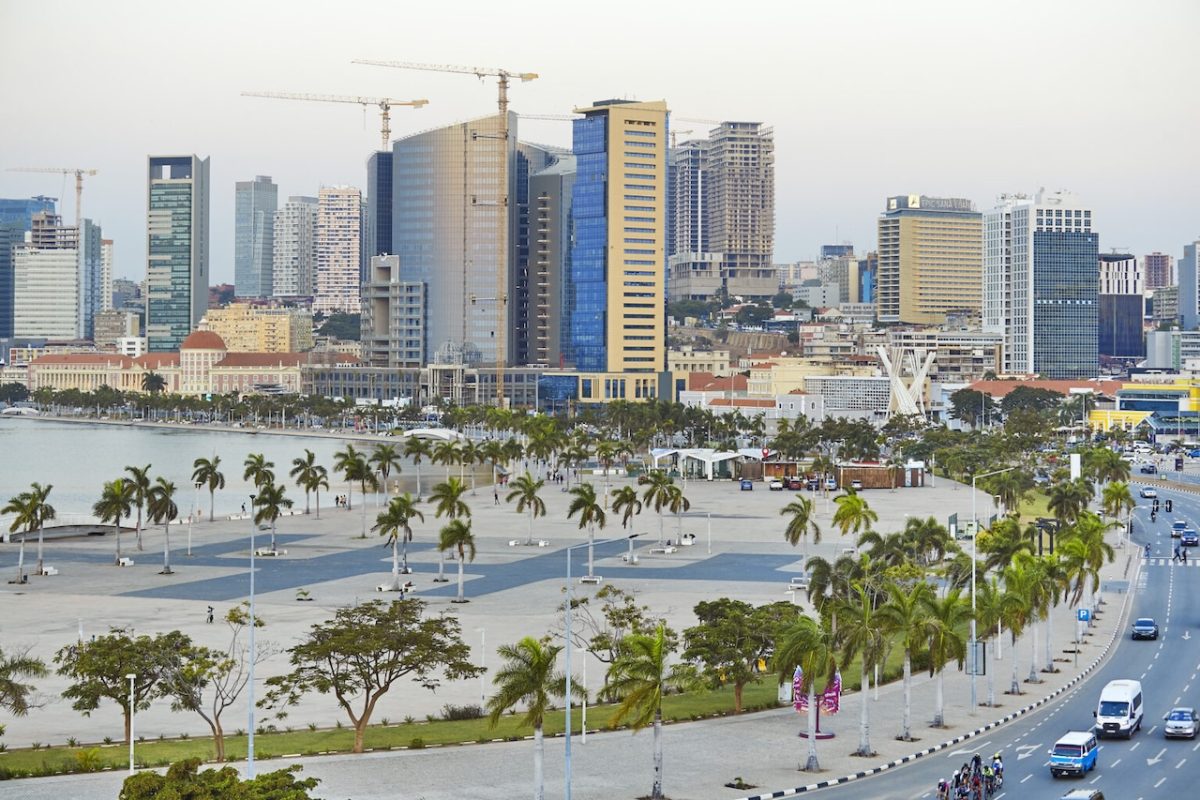
After spending months in the international spotlight at ITB Berlin, Angola isn't letting the momentum fade. Instead, the country is doubling down with the Global Tourism Forum Investment Summit, a heavyweight gathering scheduled for Luanda on June 17-19, 2026. More than 1,000 high-level participants will converge on the capital, including sovereign wealth fund managers, institutional investors, tourism ministers, and C-suite executives hunting for Africa's next big opportunity.
This isn't a typical conference with motivational speakers and vendor booths. The summit is structured around serious deal-making: closed-door roundtables, one-on-one investor meetings, and strategic panel sessions designed to convert interest into capital. The stakes are high. Angola is repositioning itself not just as a tourism destination, but as a gateway economy where travel infrastructure becomes the launchpad for broader regional investment.
Why Angola, Why Now
Angola sits on vast natural resources and expanding infrastructure, but the country faces a strategic question: how do you diversify an economy historically dependent on oil? The answer, according to Angola's government, is tourism. But not tourism as a pleasant side business. Tourism as what Minister Márcio Daniel calls "green oil" – a foundational economic driver that pulls in capital, builds infrastructure, and creates jobs across multiple sectors.
The summit agenda reflects this ambition. While hospitality and aviation will feature prominently, discussions will span smart city development, renewable energy, and digital transformation. This overlap matters. When a luxury hotel gets built, it triggers demand for power grids, transportation networks, and tech infrastructure. Tourism, in this framework, becomes the excuse for systemic economic modernization.
Recent high-profile moments have amplified Angola's profile. Will Smith's arrival in Luanda as part of the E1 electric boat racing delegation, combined with the announcement of the Luanda Grand Prix, has positioned the capital as an emerging player in global marine sports and luxury tourism. These aren't random celebrity visits – they're calculated moves to signal that Angola is serious about attracting world-class events and the investment dollars that follow.
The Timing Shift and What It Means
The summit was originally scheduled for May but moved to June. The official reason: geopolitical turbulence in the Middle East has disrupted international travel and schedules. This delay allowed organizers to expand the program and accommodate broader international participation, a reminder that even major investment conferences exist within a messier global reality.
The reschedule also shows pragmatism. Like other major tourism industry events that have adjusted their calendars, Angola's organizers recognized that maximizing attendance required flexibility. Similar to Dubai's travel industry summit shifting to August amid regional tensions, the Luanda summit now sits at a moment when market conditions are stabilizing and international executives can focus on opportunity rather than crisis management.
Public and Private Sectors Actually Talking
Angola's government is doing something many countries struggle with: creating genuine partnerships between government agencies and private investors. Sessions will tackle investment models, policy frameworks, and development strategies designed to be scalable and bankable. Questions about intra-African connectivity, the rising African middle class, and technology's role in economic growth will dominate conversations.
This public-private alignment matters because it signals that Angola isn't just hoping investors show up. There are concrete projects on the table, investment-ready frameworks, and policy clarity. Ministers and executives won't be speaking past each other. They'll be negotiating terms on actual deals.
What This Means for Travelers and the Region
If the summit delivers on its promise, travelers could see significant changes across Angola within the next few years. New airports, upgraded hotel infrastructure, improved road networks, and expanded cultural attractions typically follow investment influxes. The country's natural attractions – diverse landscapes, wildlife, and untapped cultural heritage – could suddenly become accessible to international travelers in ways they aren't today.
For Africa more broadly, Angola's push matters. Successful tourism-led development in one major African nation tends to trigger interest in neighboring countries. Angola's momentum could accelerate regional tourism growth patterns, though obviously on a continental rather than European scale.
The Global Tourism Forum Investment Summit isn't a destination event for casual travelers. It's a power gathering for people writing eight-figure checks. But what gets decided in Luanda's conference halls in June will shape which African destinations get the infrastructure, marketing budgets, and international connectivity that transform them from interesting to essential on the global travel map. Angola is betting that tourism can rebuild its economy from the ground up. The next few months will show if the world's investors agree.