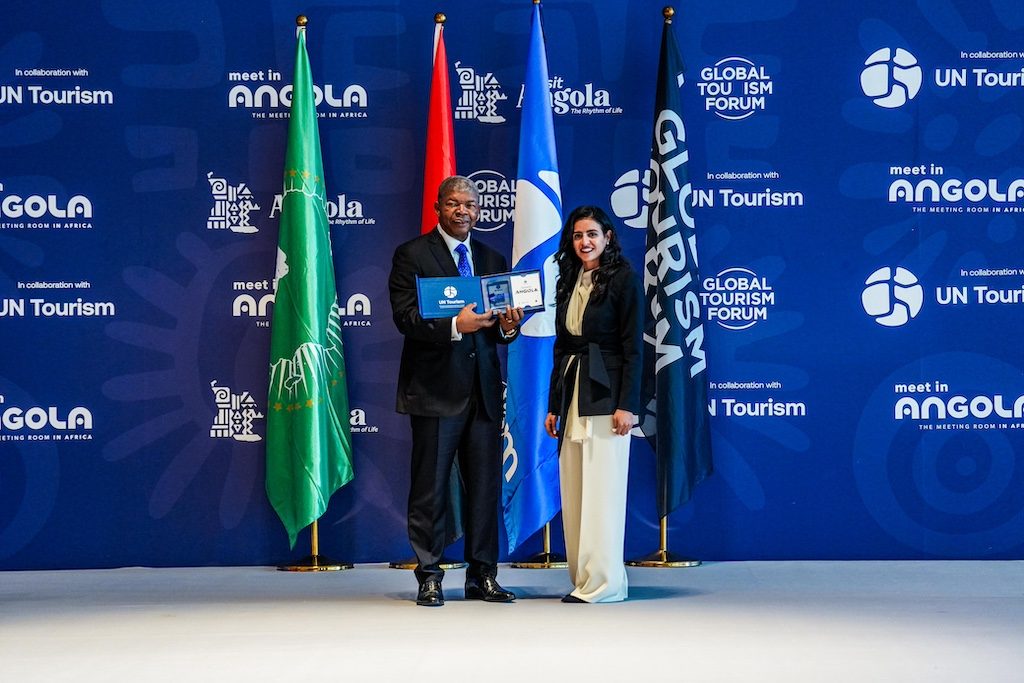
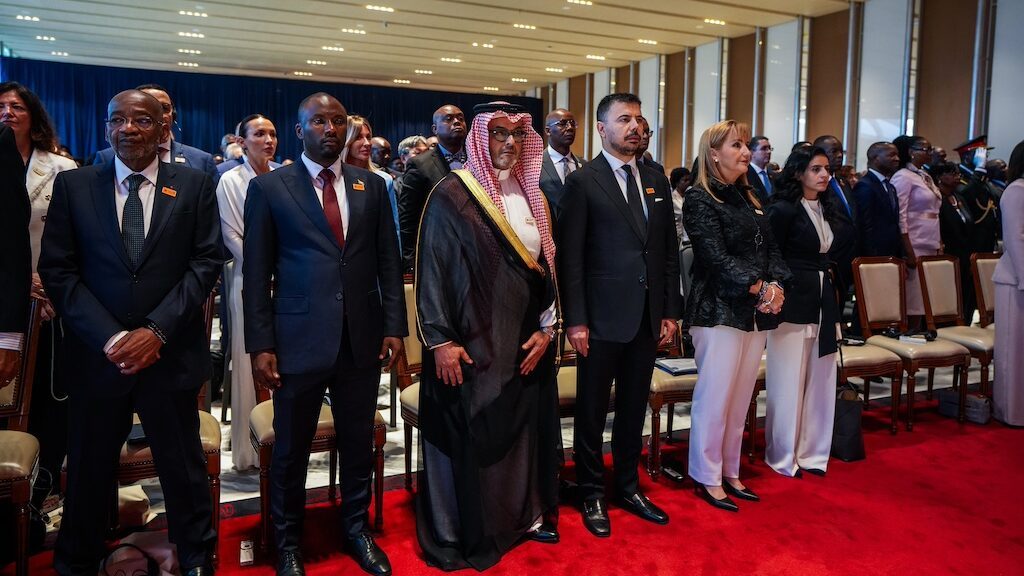
Luanda rarely sees the kind of diplomatic muscle that rolled into town this week. Angola's president sat alongside Mozambique's leader, regional prime ministers, tourism ministers from across the continent, and the UN Tourism Secretary-General Shaikha Al Nowais. The World Travel and Tourism Council sent its president and CEO. It was the kind of guest list that doesn't happen by accident.
This wasn't just another tourism conference with PowerPoint presentations and networking breakfasts. The Global Tourism Forum Angola Investment Summit arrived with a message: Angola is betting its economic future on travel and hospitality, and it's already signing checks to prove it.
When Hospitality Becomes Political Strategy
Angola's government has made no secret of its plans to reduce dependence on oil. But hosting this gathering signals something deeper. Tourism is now central to how the country plans to diversify, attract foreign capital, and rebuild its international reputation. The political weight behind the summit reflects that shift.
Bulut Bağcı, a key organizer, didn't mince words during the opening ceremony. "Angola is not only a destination where we do business. Angola is my second home," he said. More tellingly, he announced concrete investment commitments across gastronomy, hospitality, and infrastructure. "We are not here only to organize a summit. We have signed for several investments in Angola's gastronomy and hospitality sectors. Very soon, we will begin our construction processes."
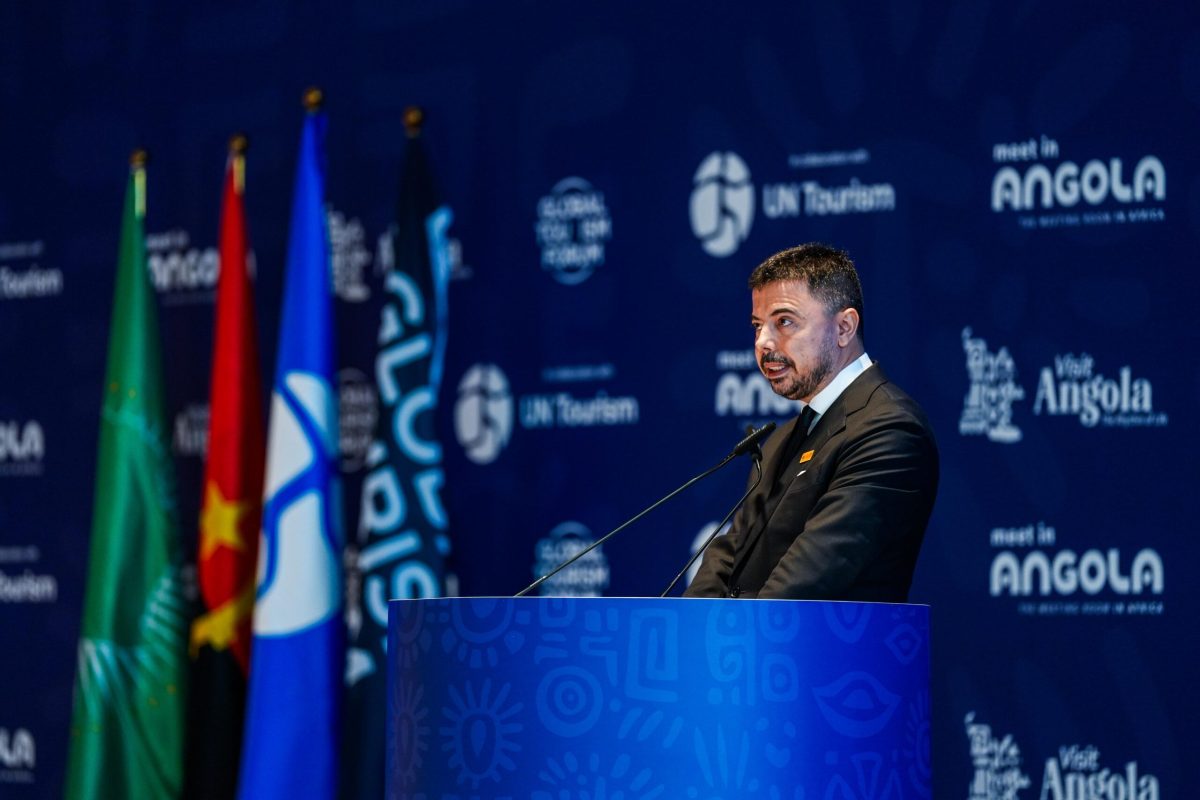
That's the difference between talk and action. The summit's practical outcome matters more than its protocol-heavy opening ceremony.
A Continent Waking Up to Tourism's Real Power
Angola isn't alone in this reckoning. Across Africa, governments are recognizing that tourism isn't just about visitor dollars. It builds airports, ports, and roads. It creates jobs for thousands of people. It attracts foreign investment that might otherwise skip the continent entirely. It positions nations as players on the global stage.
For Angola specifically, the focus lands on coastal tourism, cultural attractions, destination infrastructure, and the food and hospitality sectors. These are areas where the country has genuine assets and where investment can compound quickly. A new five-star hotel brings construction jobs, permanent employment, and attracts business travelers who spend money on local restaurants and services.
The forum's lineup of international participants reflects this gravity. The UN doesn't send its tourism chief to every summit. The WTTC doesn't allocate senior leadership to regional conferences that don't matter. The presence of sitting heads of state suggests Angola is making credible commitments that regional leaders take seriously.
What This Means for Travelers
For visitors planning trips to Angola, this matters in practical ways. New hotel development means more accommodation options and competitive pricing. Infrastructure improvements help visitors navigate the country more easily. Direct international investment signals that the tourism sector is becoming more organized and professional.
Angola has long been overlooked by travelers chasing the safari circuits of Botswana or the beaches of Mozambique. The country has genuine appeal: diverse landscapes, Atlantic coastlines, cultural richness, and a complex history that fascinates travelers interested in something beyond the typical African tourism narrative.
This summit represents a turning point. Angola's government is making a calculated bet that tourism can help power the next chapter of the country's development. The international players in that room are betting alongside them.