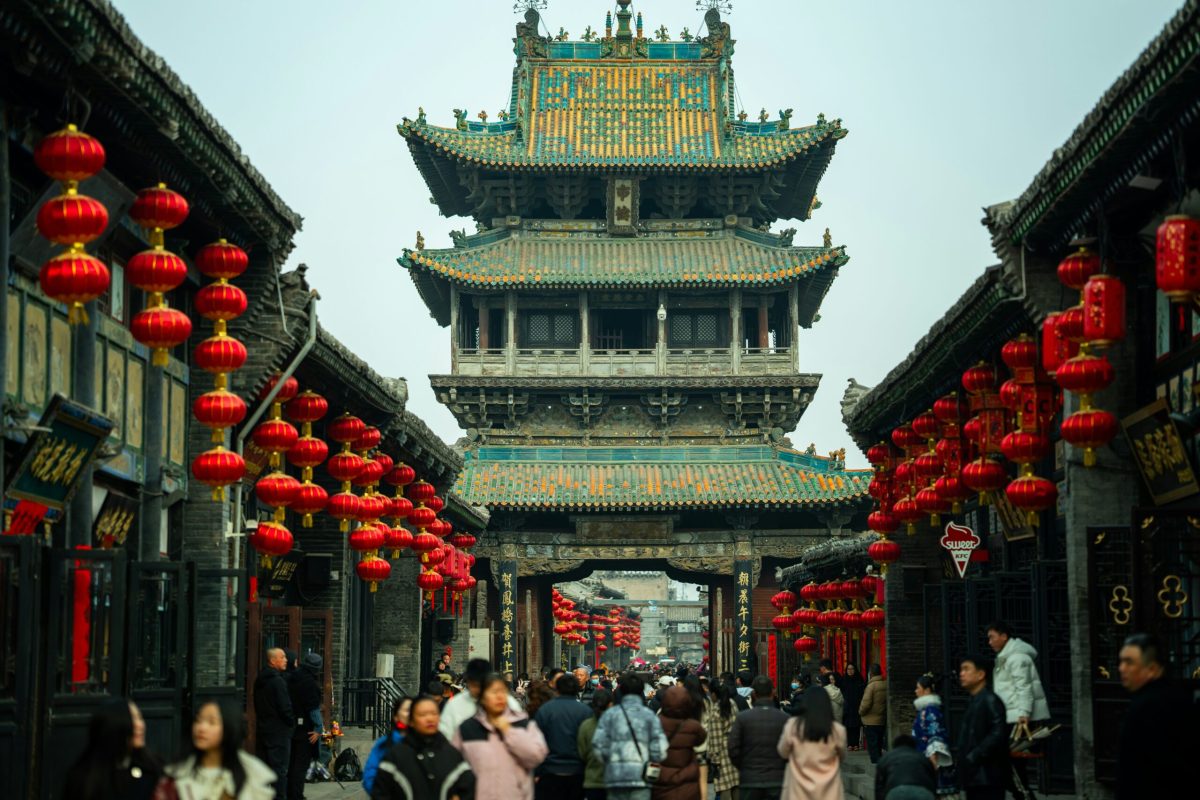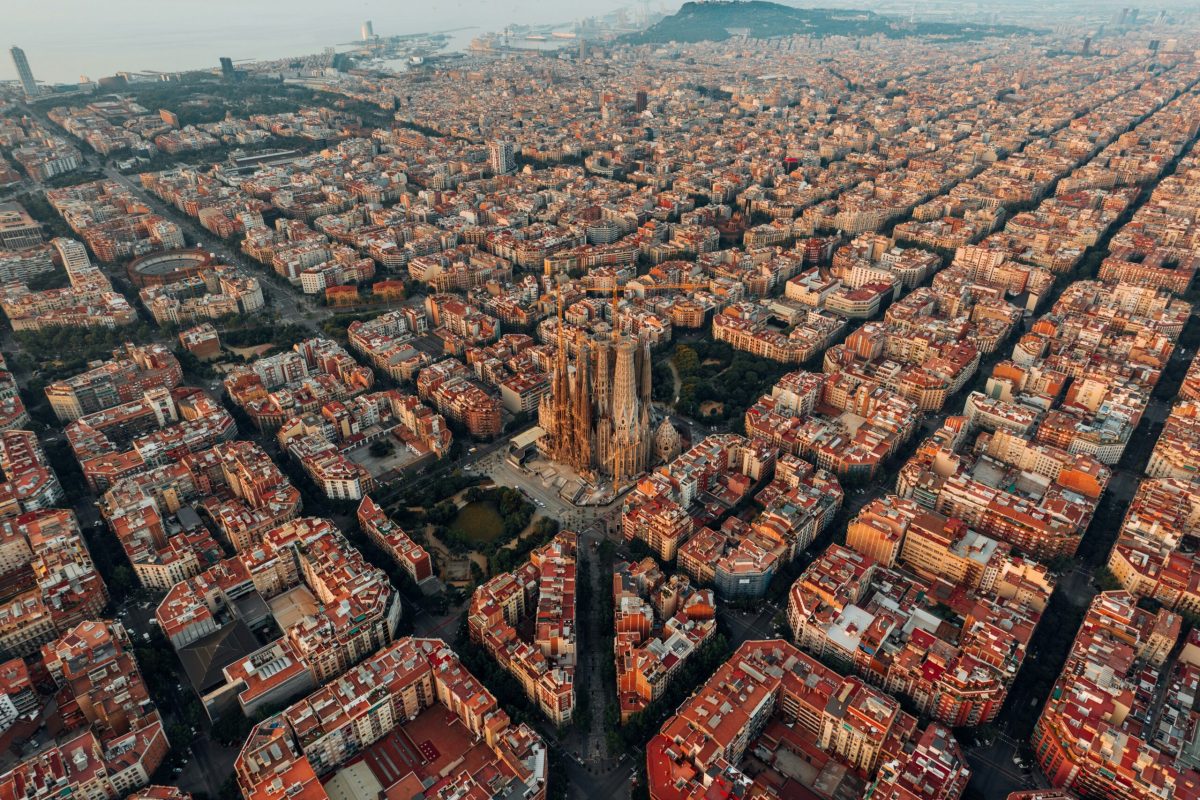
A landmark doesn't need a thousand-year history to move people. The World Travel & Tourism Council just threw open the gates for something it's never tried before: letting the public nominate and vote on the 7 Contemporary Wonders of the World. These aren't the ancient pyramids or hanging gardens of antiquity. These are the places built since 1801 that have reshaped entire cities, economies, and the way we experience travel itself.
The competition started in July 2026 and runs through July 2027. Anyone, anywhere can submit a nomination. The council will whittle those entries down through four stages: first announcing 70 shortlisted sites in January 2027, then narrowing to 30 finalists by April, and finally crowning the lucky seven winners by summer's end.
What Makes a Modern Wonder
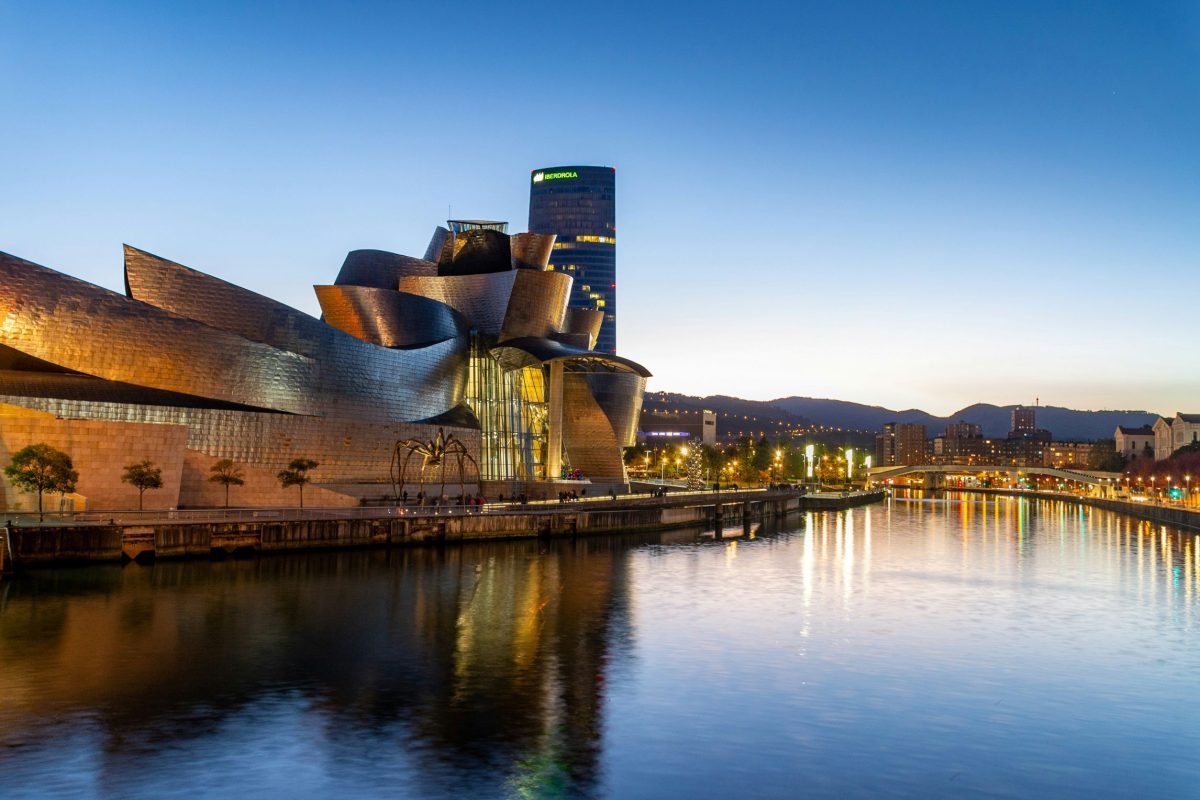
This isn't a beauty contest. The WTTC is looking for landmarks that have genuinely transformed their destinations. Take the Guggenheim Museum in Bilbao, Spain. When it opened in 1997, it didn't just draw art lovers. The building sparked what locals now call the "Bilbao effect," turning an industrial city into an international cultural hub that attracts visitors and investment year after year. That's the kind of impact the council wants to recognize.
The selection criteria go deep. Judges will weigh a landmark's contribution to tourism revenue, its knock-on effects for local businesses, employment creation, and how it's reshaped the identity of its city or region. The Grand Egyptian Museum near the Pyramids of Giza offers another model: a newly opened facility that positions Egypt as a heavyweight in cultural tourism while creating jobs and spurring broader development.
The Eiffel Tower shows that established icons also count. It's been pulling millions of visitors to Paris for generations, driving spending across hotels, restaurants, and shops. The council believes world-class attractions deserve recognition as strategic infrastructure, not just tourist trinkets. When done right, they anchor entire regional economies.
Why This Matters Now
Governments are hunting for economic growth strategies, and successful visitor destinations offer a playbook. The WTTC argues that cooperation between public authorities and private sectors can create attractions that generate benefits for decades. These places improve public spaces, shape how cities present themselves to the world, and often attract follow-on investment that ripples through communities far beyond the main attraction itself.
The council also wants this campaign to spotlight both household names and emerging destinations with real potential. By inviting global participation, the selection process should unearth gems that tourists haven't yet discovered and regions betting on tourism as part of their long-term strategy.
How to Get Involved
Nominations are open through the WTTC website now. You can put forward any landmark, building, or destination built since 1801 that you believe has meaningfully shaped modern tourism. Think about what places have changed how you travel, where you spend money when you visit, or how a destination reimagined itself through a signature attraction.
The public voting phase runs after the 70 nominees are announced in January 2027, giving travelers everywhere a voice in choosing which landmarks truly define this era. It's a chance to recognize that wonder isn't something that ended with ancient Rome or medieval architecture. Every generation builds landmarks that matter, and the ones that stick around tend to do far more than just look impressive.