Spain is poised to welcome roughly 100 million international visitors in 2026, a figure that would place it among the world's most visited countries. It's an astonishing number, and yet Tourism Minister Jordi Hereu isn't throwing confetti. Instead, he's talking about what he calls "calm growth," and that shift reveals something more interesting than the headline number itself.
The forecast builds on last year's record of 96.8 million arrivals. Summer will be particularly busy, with authorities expecting around 43 million visitors between June and September alone, up 6 percent from the previous year. That summer period alone should generate roughly €64 billion for the Spanish economy, a 10 percent increase year-on-year. Tourism accounts for about 13 percent of Spain's entire GDP and supports millions of jobs across the country, making these numbers not just impressive but economically vital.
Part of the surge stems from geopolitical reality. Travelers concerned about unrest in the Middle East have increasingly chosen Southern European destinations, with Spain emerging as a natural safe haven. "Three months ago, we thought the conflict in the Middle East could slow tourist arrivals, but the data shows remarkable resilience despite the circumstances," Hereu explained. Government tourism officials have been tracking these patterns closely as visitor preferences shift.
Then there's August's total solar eclipse. The phenomenon will be visible across large swaths of northern and inland Spain, drawing astronomy enthusiasts and eclipse chasers who want premium viewing conditions. Rural accommodations in eclipse zones are already fully booked. What makes this event strategically valuable is that it's pulling visitors away from the usual coastal destinations. These are areas that rarely see major international tourism, and suddenly they're getting global attention.
The Overtourism Problem Spain Can't Ignore
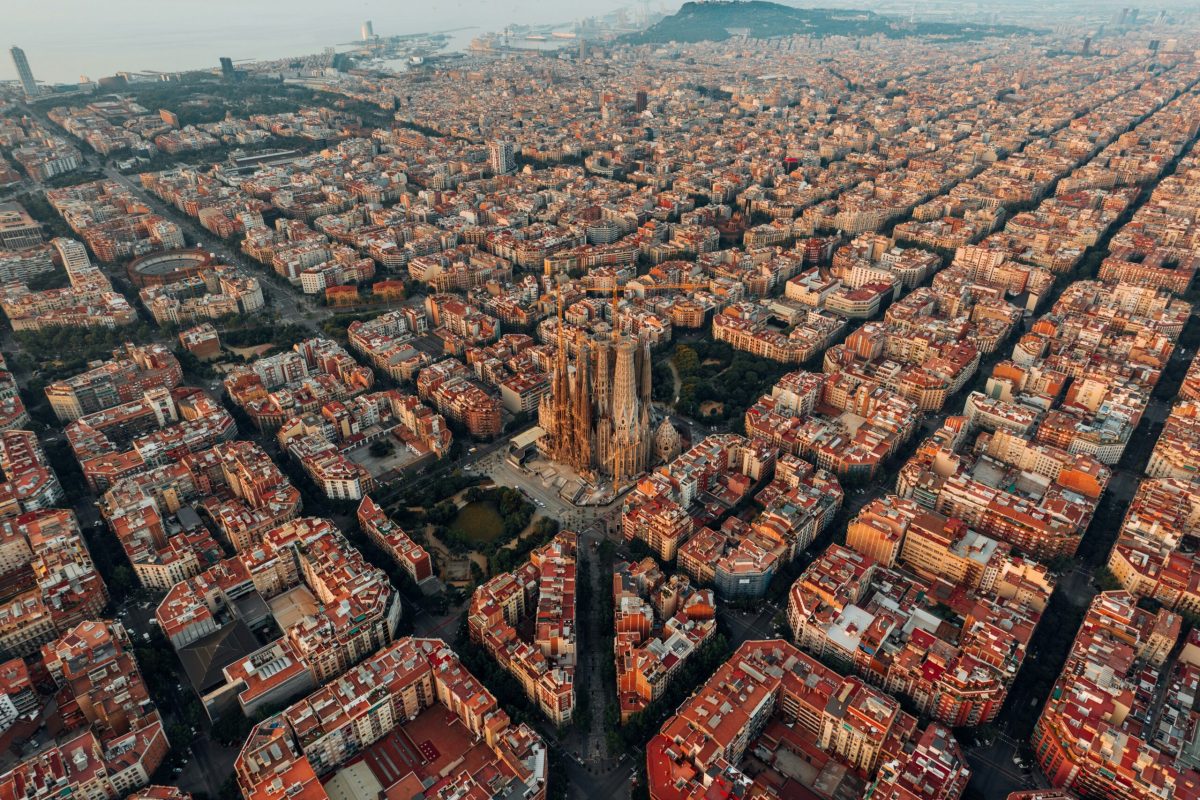
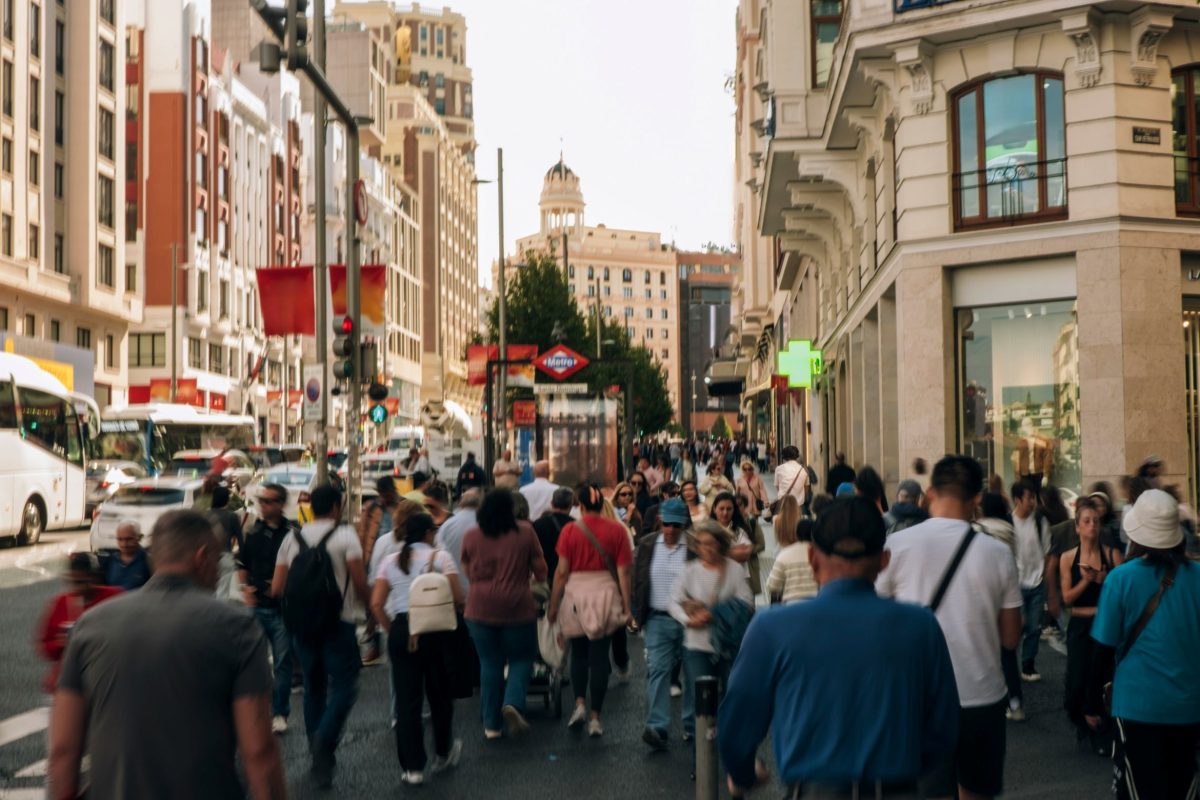
Here's where the Spanish government's thinking gets serious. Barcelona, Valencia, and other major cities have faced intense protests from residents frustrated by rising housing costs, overcrowded streets, and the explosion of short-term rental properties. Spain isn't pretending this doesn't matter. Several regions have tightened rules on tourist accommodations and restricted new holiday rental licenses.
The old strategy of maximizing beach tourism year-round isn't sustainable anymore. Hereu put it plainly: "the old formulas no longer work." Instead of fighting the tide of visitors, Spain is attempting to redirect it. The government is promoting lesser-known inland destinations, cultural sites, national parks, and rural landscapes through targeted campaigns. They're highlighting historic towns and regional gastronomy rather than just selling sun and sand. Some coastal areas have already begun implementing more stringent regulations to manage pressure on infrastructure and local communities.
A Different Kind of Tourism Calendar
Travelers are changing their habits anyway. More people are visiting during spring and autumn, which naturally extends the tourism season beyond July and August. This shift gives businesses longer operating periods and provides workers with more stable year-round employment rather than seasonal contract work. It also spreads the wear and tear on both infrastructure and local communities.
The government isn't just hoping this happens. They're actively encouraging travelers to blend relaxation with cultural exploration, local food, and outdoor activities. This isn't altruism. It's smart economics. A visitor who spends three months exploring Andalusian pueblos and eating at family-run restaurants generates value for rural economies that have historically been left behind. The global tourism sector faces similar pressures everywhere, but Spain is moving faster than most to address them.
The 100 million milestone matters less for what it proves about Spain's appeal than for what it signals about the country's willingness to change. Tourist destinations everywhere face mounting pressure from locals, from environmental concerns, and from the simple physics of too many people in too few places. Spain's response isn't to cap visitors or dramatically pivot away from tourism. It's to try something different with the visitors who are coming anyway.
For travelers, this could mean better experiences. Instead of fighting crowds at the Sagrada Familia, you might find yourself hiking through a national park in Castilla y Leon, eating tapas with people who actually live there, watching a solar eclipse from a hillside, or exploring a medieval town where tourism hasn't yet engineered every interaction. Spain is betting that 100 million visitors don't all need to visit the same five places at the same time of year.