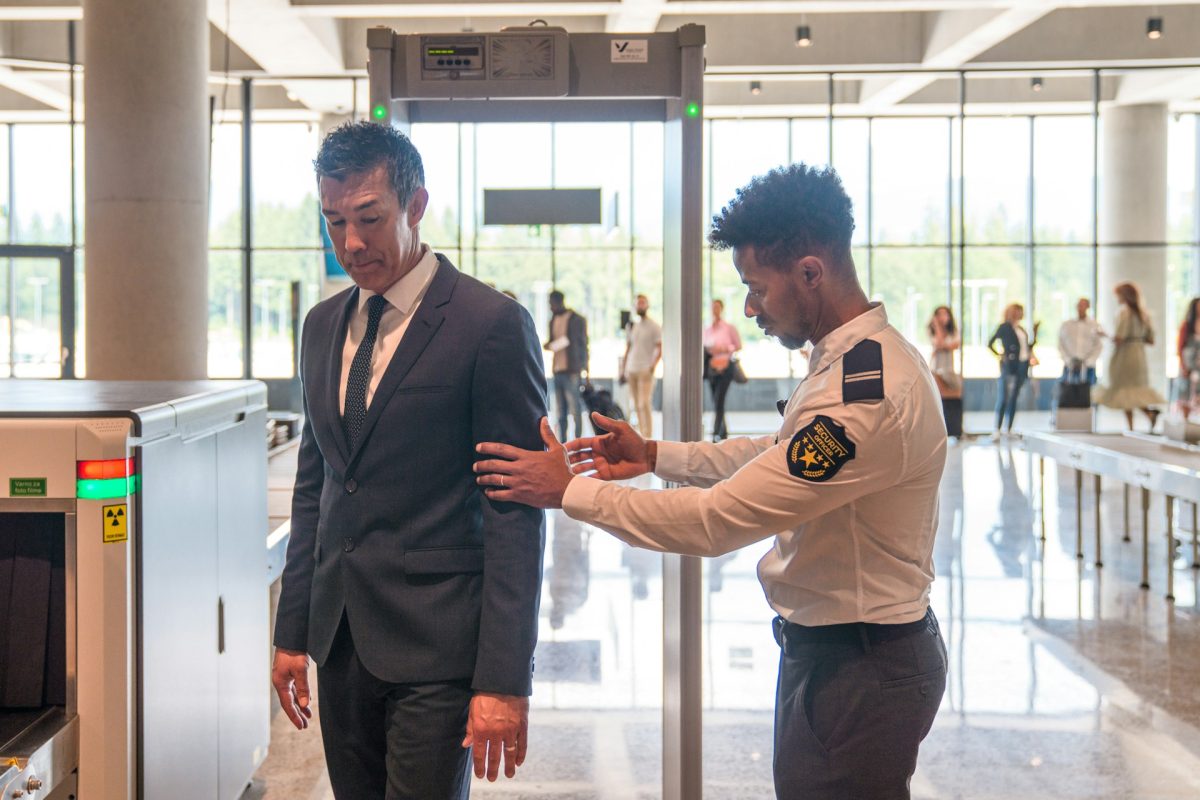
The Transportation Security Administration is quietly reshaping how airport security gets done. TSA Gold+ is a fresh take on airport operations that brings private companies into the mix, handling staffing, equipment maintenance, and day-to-day logistics while the TSA keeps its hand on the wheel, setting standards and making sure nothing slips through the cracks.
This isn't a passenger membership program like TSA PreCheck. You won't sign up, pay a fee, or notice much difference when you walk through the checkpoint. TSA Gold+ lives behind the scenes. It's an airport-level initiative designed to fix a very real problem: staffing shortages and budget cuts that have repeatedly snarled security lines and created bottlenecks during peak travel.
Why airports are trying this now
Government shutdowns have exposed a vulnerability in how US airports run. When federal workers face unpaid leave or budget freezes, security lines explode. In 2019, during a record-long shutdown, TSA officers called in sick in record numbers, leaving checkpoints short-staffed and passengers furious. That lesson stuck. By bringing private operators into the fold, airports gain flexibility and reduce their dependence on the federal funding cycle.
The TSA already runs a Screening Partnership Program that lets private companies handle security at certain airports. TSA Gold+ expands and modernizes that model, giving private partners more freedom to customize operations based on each airport's size, layout, and traffic patterns. A busy international hub like Atlanta operates very differently from a regional airport in Montana. One-size-fits-all rarely works.
Technology as the real game changer
Here's where things get interesting. Private companies can cut through the red tape of government procurement and roll out new screening technology faster. Imagine updated X-ray systems, better checkpoint layouts, and smarter workforce scheduling deployed in months instead of years. That's the promise. Airports also get access to private investment, which means more capital for upgrades without waiting for congressional budget meetings.
The real benefit for travelers? Shorter wait times, eventually. New equipment and better staffing models should smooth out the chaotic morning rushes and evening waves that make airport security feel like a second job. It won't happen overnight, but the foundation is being laid.
What about accountability and concerns
Not everyone is celebrating. Critics worry about profit-driven companies running security operations and question whether private interests could dilute safety standards. It's a fair tension. The TSA maintains oversight and sets the rules, but when a company's bottom line depends on moving people faster, does that create pressure to cut corners? The agency says no. They're keeping the reins tight.
If you're interested in how airports operate and plan to travel frequently, airport innovation is worth keeping an eye on. Technology is reshaping terminals in ways both visible and invisible.
Rolling out slowly, airport by airport
TSA Gold+ is still in early stages. Only selected airports will adopt it first, so changes won't be uniform or immediate across the country. Your local airport might stick with traditional TSA operations for years. Others might jump in tomorrow. The program will evolve gradually, meaning most travelers won't see dramatic shifts in the short term.
For now, pack your bags the same way, arrive early like always, and follow standard TSA rules. But keep tabs on how airports worldwide are adapting to modern travel pressures. The US security checkpoint of 2030 may look very different from today's experience, and knowing what's changing helps you stay ahead of the curve.