Joe Macken never set out to build a city. He was just a truck driver from Long Island who missed home. After moving his family to the Albany area in upstate New York, he found himself thinking about the streets he grew up on, the diners he ate at, the bridges he crossed. So he started building.
Twenty-one years later, Macken had created a model of New York City so detailed it fills a room at the Museum of the City of New York. The exhibition, He Built This City: Joe Macken's Model, runs until 12 October 2026, and it's a love letter to the city as it was and as it is.
An 800,000-Building Ode to the Five Boroughs
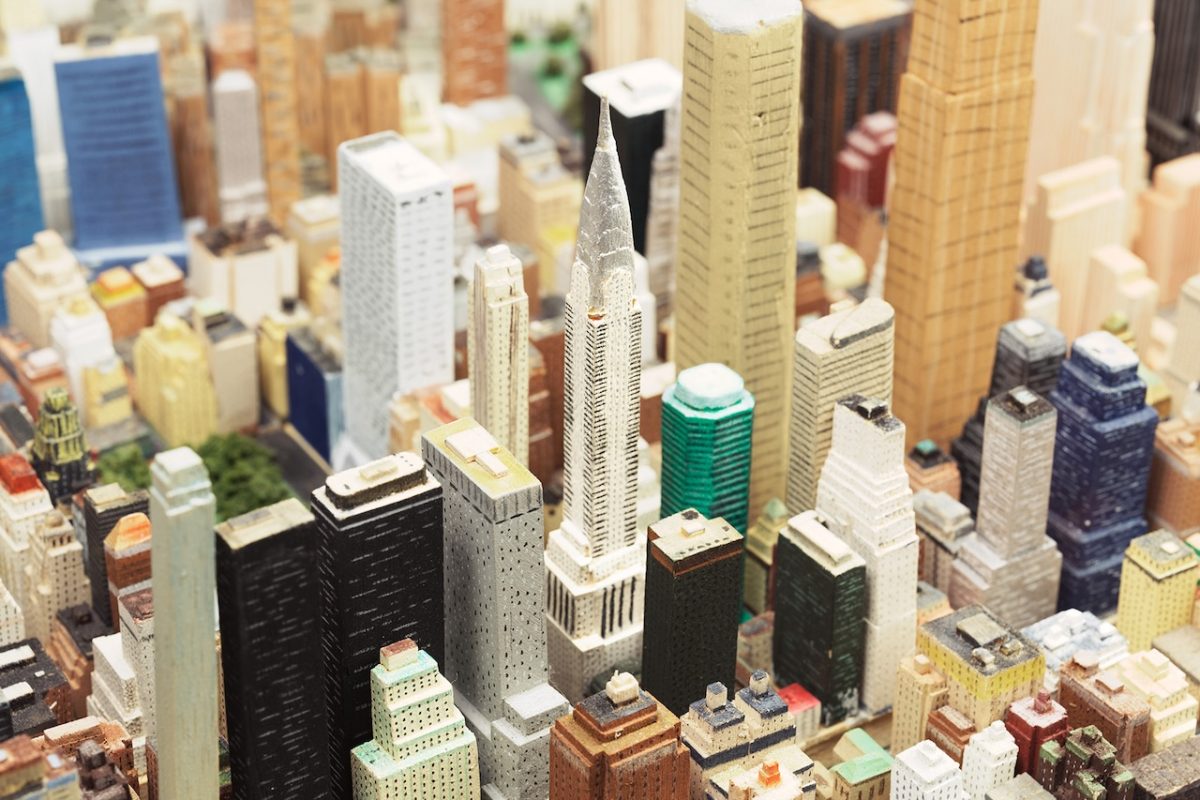
The model spans all five boroughs, plus slices of New Jersey and Long Island. It measures about 15 metres long and 8 metres wide, with more than 340 sections that fit together like a giant puzzle. Visitors can spot the Statue of Liberty, Yankee Stadium, and the Brooklyn Bridge, but the real magic is in the details. The museum provides binoculars so you can peer at row houses in Queens or the fire escapes in the Bronx.
Macken had no formal training in architecture or model making. He used balsa wood, cardboard, and a lot of patience. The Empire State Building alone took him weeks to get right, and Midtown Manhattan consumed a decade of his spare time. He worked on it during breaks from his weekend bus-driving job and even brought supplies on family holidays.
A City of Memory and Time
What makes this model so unusual is that it's not a perfect replica of today's New York. Macken included places from his own past, like a diner in Queens that has since been replaced, and the old Kosciuszko Bridge, which was demolished in 2017. In Lower Manhattan, the Twin Towers stand beside One World Trade Center, a juxtaposition that speaks to both loss and resilience.
“I kept a lot of my own parts of the city,” Macken told the Associated Press. The result is a city that exists in two time zones at once, a place where memory and reality overlap. For visitors, that means you can trace your own history across the model, just as one visitor, Jonathan Skolnik, did when he found his father's first American address and the Queens neighbourhood where he was born.
From Basement to Museum
For years, the model lived in Macken's home, a private obsession that his family knew about but few others did. Then his daughter convinced him to post videos on TikTok. Within a week, they had drawn more than 10 million views. The Museum of the City of New York reached out, and in February 2026, the model went on public display for the first time.
Macken isn't done yet. He plans to add more than 50 buildings and extend the model further into New Jersey and Long Island. The museum expects the exhibition to evolve as he works, so no two visits may be quite the same.
If you're planning a trip to New York, this exhibition is a must-see, especially if you love the city's hidden layers. And if you're curious about other ambitious building projects, check out how Dubai's oldest building reopened after five years or what Rotterdam's €240 million boulder building looks like. For a different kind of urban transformation, read about Poland's 11 new urban forests.
Macken's model is a reminder that cities are not just collections of buildings. They are repositories of memory, and sometimes the most faithful portrait of a place comes from someone who simply refused to let it go.