
Forget hibernation. A fresh survey from the European Travel Commission (ETC) reveals that 76% of Europeans intend to take an overnight trip between October 2026 and March 2027. That is a 3% jump from last year, even as some industry voices warn of a cooling market. The findings come from the ETC's Wave 26 report, which polled 6,000 people across ten European markets.
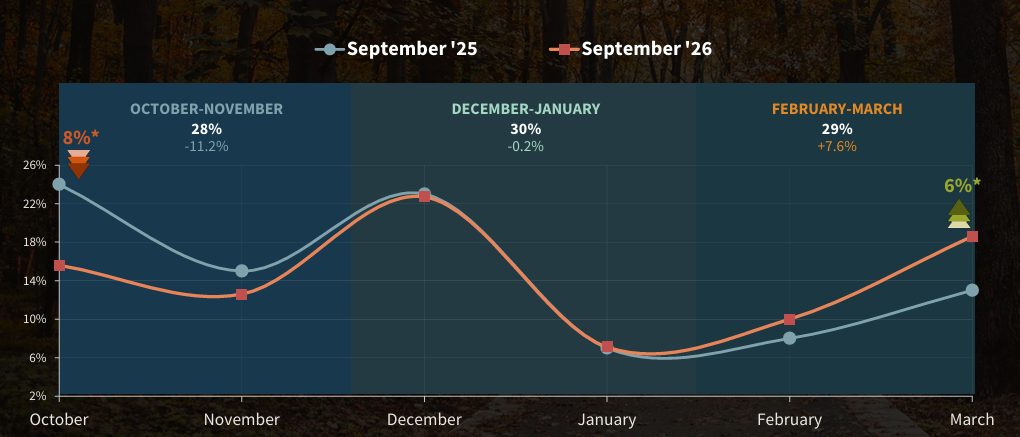
December is the standout month, chosen by 23% of would-be travelers. The pull of family and friends is strong, with 32% of December trips centered on visiting loved ones, compared to just 10% in other months. But the wanderlust does not stop at New Year. Interest in February and March is climbing, and 56% of those planning to travel want two or more trips before the season ends.
Where Europeans Want to Go
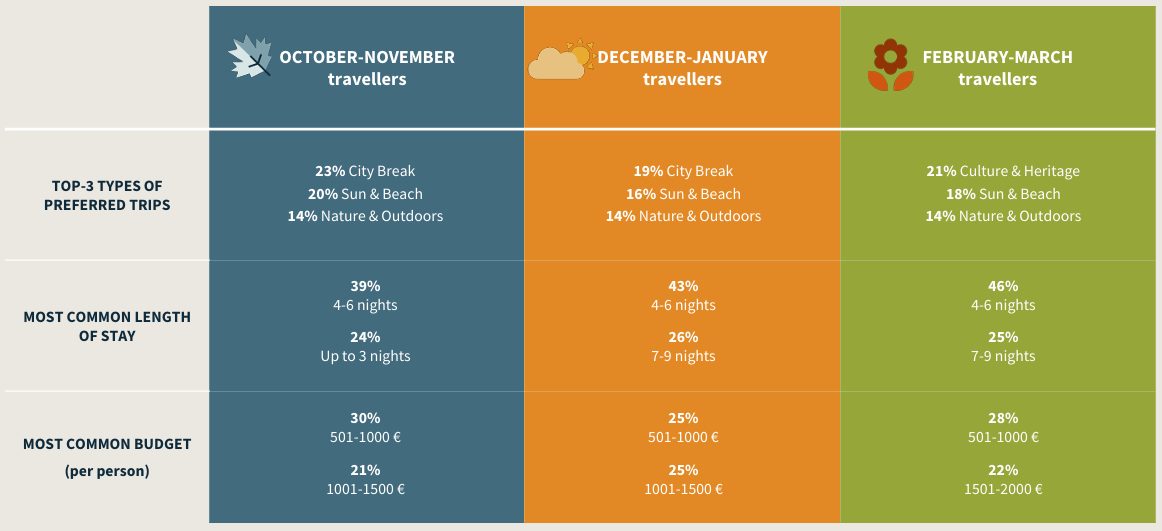
Southern Europe remains the magnetic draw, attracting 53% of planned visitors, while Western Europe pulls in 23%. City breaks top the list of preferred holiday types at 19%, closely followed by culture and heritage trips and sun-and-beach escapes, both at 18%. The appetite for less crowded places is also growing, with 44% favoring less-popular destinations and another 10% seeking remote or off-the-beaten-track spots. That shift could help ease overtourism, a point ETC chief executive Eduardo Santander highlighted in the report's release.
The survey also breaks down where travelers from each home market plan to head. Austrians fancy Germany, Italy, and Spain. Brits are eyeing Spain, France, and Italy. Poles, the most travel-hungry at 87%, are looking at Italy, Germany, and Spain. For a full country-by-country breakdown, the ETC report offers the details.
Safety and Budget Still Rule
Price and reassurance remain top of mind. Financial pressures worry 37% of respondents, while geopolitical instability concerns 23%. Safety is the leading factor in choosing a destination, ahead of reliable weather and good deals. Some 49% plan to spend between €1,000 and €2,500 per person, and 43% are booking stays of four to six nights. The message for destinations is clear, people want to travel, but they need to feel secure and get value.
Interestingly, 55% of those surveyed have not yet booked their trips. That gap between intention and confirmed plans is something the industry is watching. As Booking Holdings CEO Glenn Fogel recently described a "bit of a softening" in demand, the ETC data offers a more optimistic outlook for the months ahead. Earlier figures showed European international arrivals up 5% year on year, but this survey is about future plans, not past performance.
Digital Planning and AI
Planning is going digital, with 40% of travelers using AI for inspiration, planning, or booking. Search engines and travel websites still dominate, but AI is carving out a role. For those looking to dodge the crowds, the trend toward quieter places is worth noting. If you are thinking about a winter escape, consider destinations that are not on everyone's radar. The ETC suggests this could be a chance for local businesses to thrive without the crush.
For more on how travelers are changing their habits, check out our piece on how Brits are getting smarter about holidays. And if you are planning a cold-weather trip, our guide to Europe's coolest winter hotels might inspire you. The data also aligns with broader trends in Europe's autumn bookings holding firm.
So, whether it is a December family visit, a February city break, or a March beach escape, Europeans are clearly not ready to give up their holidays. The only question is where they will go, and how many will actually book.