Poland has just made a bold move in urban environmental design. The government is building 11 community forests around the country's biggest cities, and the first one officially opened near Wroclaw on July 26. This isn't some distant future plan either,these forests are real, they're happening now, and they're worth understanding if you travel to or live in Poland.
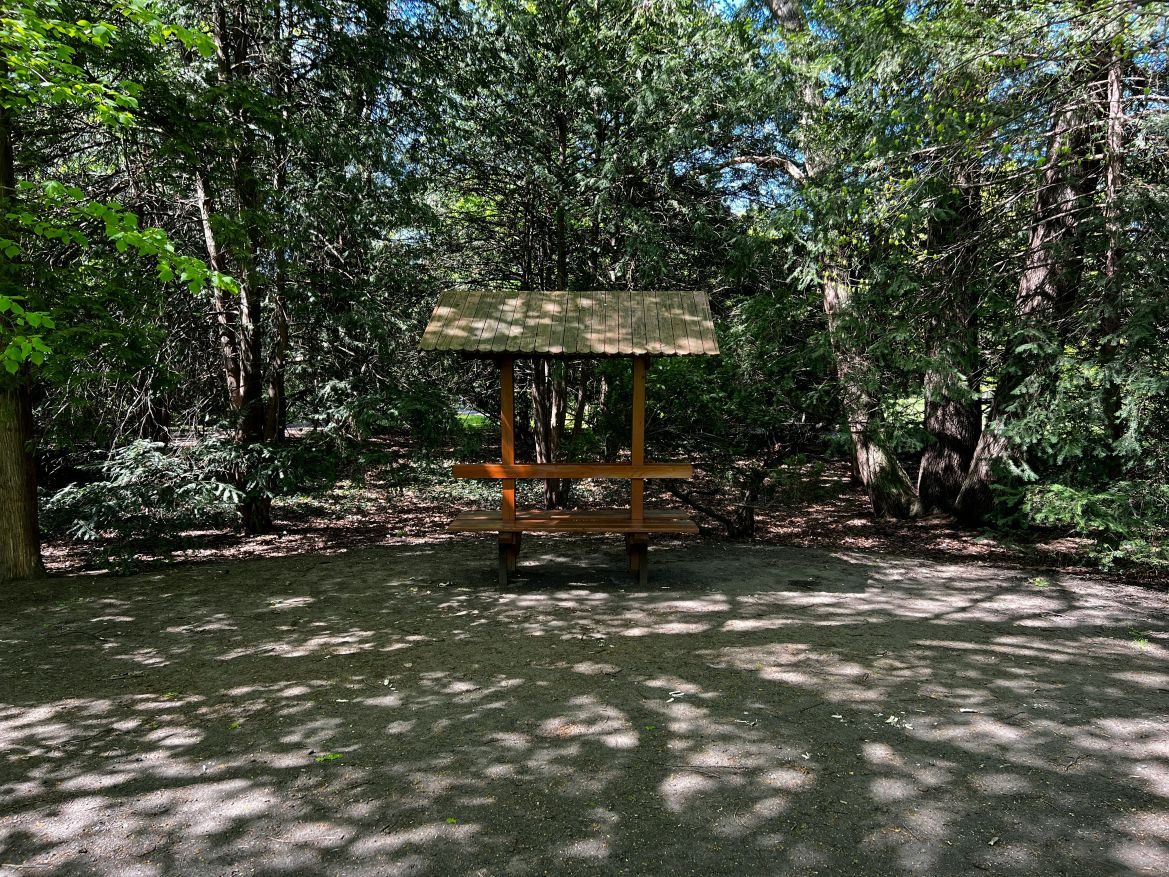
The flagship project covers 13,000 hectares around Wroclaw in southwest Poland. To put that in perspective, that's roughly the size of 18,000 football fields. The land is divided into three distinct zones. One section preserves natural forests where nature operates without interference. Another contains near-natural forests where human forestry is kept to a minimum. The largest zone spans 8,000 hectares and is designed specifically for people,think cycling trails, hiking paths, sports facilities, and green spaces where locals can actually spend time outdoors and breathe something other than city air.
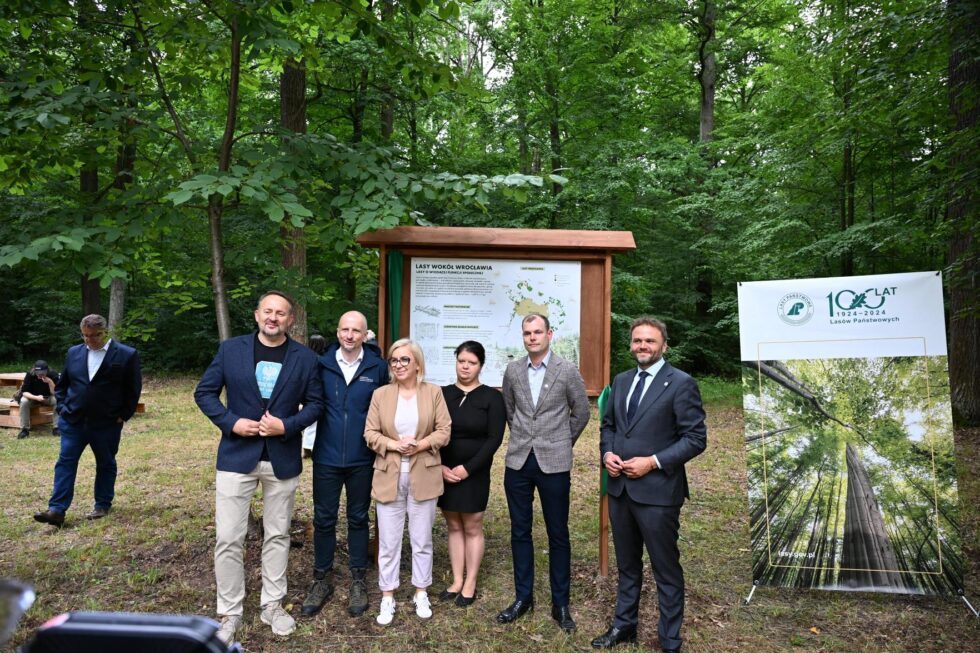
Climate and Environment Minister Paulina Hennig-Kloska framed this as a turning point. "This is an historic moment," she said at the inauguration, "and the beginning of a new approach to forest protection." The key phrase here is "with residents in mind first and foremost." Poland isn't just planting trees for the sake of it; the government is addressing a real problem: cities produce 70 percent of global carbon emissions while covering just 2 percent of Earth's surface. As the UN projects that two-thirds of humans will live in cities by 2050, green spaces around urban centers become less of a luxury and more of a necessity.
The benefits of these forests go beyond pretty views. Woodlands filter air pollution, regulate local climate, prevent soil erosion, and retain water during heavy rains,all things cities desperately need. There's also the mental health angle. After years of pandemic lockdowns and endless screen time, people crave accessible nature. These community forests give them exactly that without requiring a three-hour drive into the countryside.
Ten more sites are in the planning stages near cities including Kraków, Warsaw, Poznań, Szczecin, Łódź, Katowice, and the Tricity area (Gdańsk, Gdynia, and Sopot on the Baltic coast). Kielce and Bielsko-Biała, known for its architectural charm, are expected to be next after Wroclaw. If you're planning a trip to Poland's major cities this summer, some of these forests may already be welcoming visitors.
Why This Matters Beyond Nature Lovers
This initiative represents a deliberate policy shift. Poland's current government is reversing decisions made by the previous Law and Justice regime, which had allowed commercial logging to expand dramatically, even in protected areas. The ancient Białowieża Forest, a UNESCO World Heritage site, became a flashpoint when logging there tripled under the old administration. International outcry forced the issue into the spotlight, and the European Union criticized Poland for violating habitat protection laws.
The new community forests signal a change in direction. They're part of a broader effort to align Poland with EU environmental standards and restore international credibility on conservation issues. For travelers, this means more protected green space, cleaner air in and around cities, and a country taking its environmental commitments seriously.
If you're visiting Polish cities in the coming years, these forests will transform how you experience them. Instead of retreating to the countryside for a nature break, you'll find world-class outdoor space right at the urban edge. Wroclaw's forest is already open. The others are coming. Pay attention.