China has officially cleared XPeng's flying car for takeoff. The country's aviation authority approved the vehicle for mass production, setting the stage for commercial flights by summer 2027. That is not a concept sketch or a Silicon Valley pipe dream. It is a certified, production-ready machine with a date attached.
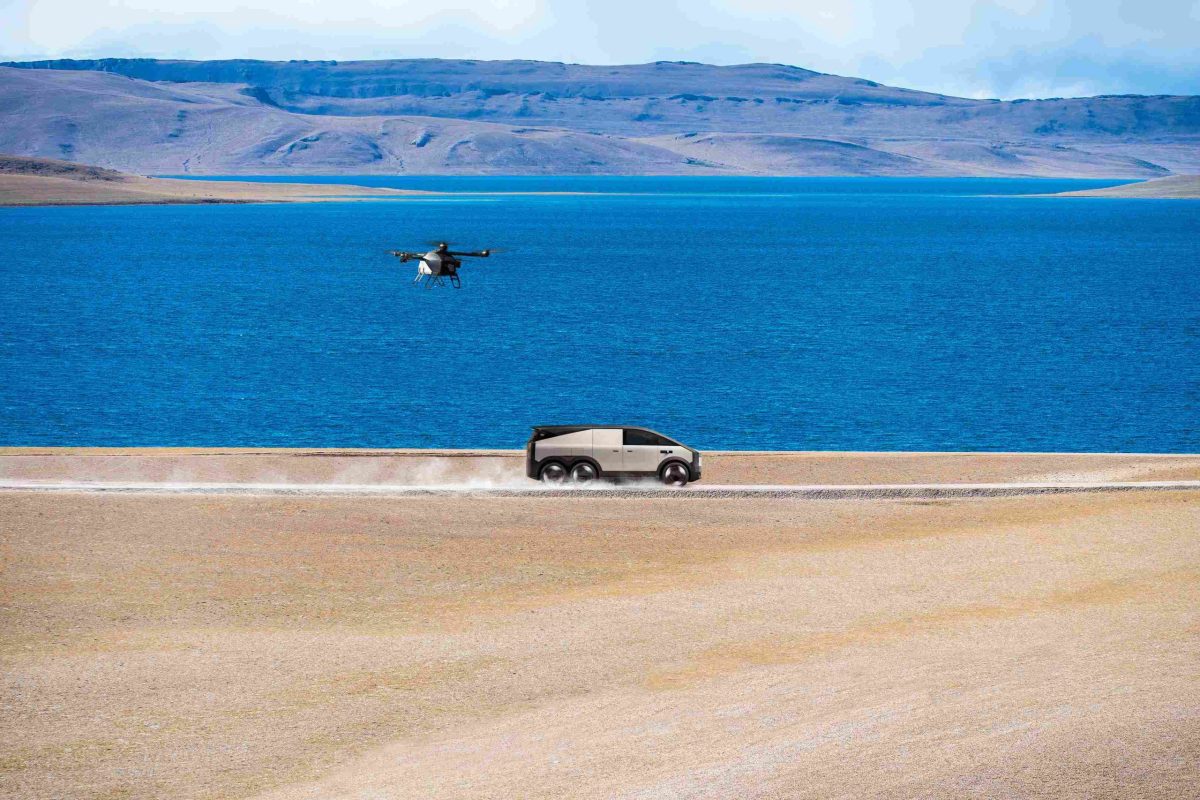
The vehicle, called the Voyager X2, looks like a sleek drone with room for two. It has eight rotors, a carbon fiber body, and a top speed of 130 kilometers per hour. The company says it can fly for about 35 minutes on a single charge, which is enough for short urban hops. Think of it as a taxi that skips the traffic entirely.
XPeng, better known for its electric SUVs and sedans, has been testing this thing for years. The approval means the company can now start building them at scale. The first deliveries are expected to go to flight operators, not private owners. So your first ride might be a sightseeing tour over Guangzhou or Shenzhen, not a commute to the office.
What This Means for Travelers
If you are planning a trip to China in the next few years, this could change how you see the skyline. Imagine booking a 10-minute aerial tour of the Pearl River Delta instead of a bus ride. The experience would be closer to a helicopter ride than a plane, but quieter and fully electric. The company is already talking to tourism operators about routes.
For now, the practical takeaway is simple. Commercial flights are expected by summer 2027. That gives you time to plan a trip that includes a ride. And if you are curious about other futuristic travel options, check out how Tesla's flying Roadster compares. Spoiler, it is not replacing your next flight either.
The Approval Process Was No Joke
Getting a flying car certified in China is not like getting a driver's license. The Civil Aviation Administration of China spent months reviewing the X2's safety systems, battery performance, and emergency procedures. They tested it in wind tunnels, simulated engine failures, and even flew it in rain. The fact that it passed is a big deal.
XPeng is not the only company chasing this dream, but it is the first to get this far in China. The approval gives the company a head start in what could become a massive market. Mass production is set to begin in 2026, with the first aircraft rolling off the line in Guangzhou. By the time the Summer Olympics come to Brisbane in 2032, you might be hailing a flying taxi in multiple Chinese cities.
Practical Questions Remain
Who will fly these things? The company says pilots will need a special license, but the X2 is designed to be autonomous. That means a human can take over if needed, but the computer does most of the work. For passengers, that means you just buckle up and enjoy the view.
Cost is another question. XPeng has not announced ticket prices, but early estimates suggest a 10-minute ride could cost around 300 yuan, or roughly 40 US dollars. That is more than a subway ticket but less than a helicopter tour in most cities. For a once-in-a-lifetime experience, it might be worth it.
If you are already planning a China trip, keep an eye on this. The country has been pushing hard on futuristic transport, and this fits right in. You can also explore China's museum boom or the new visa-free entry rules for EU travelers. The flying car is just one more reason to book that ticket.
By 2027, the sky above China's megacities could look very different. The era of personal flying vehicles is officially starting, and it is starting in China. Whether you are a tech geek, an adventure seeker, or just someone who hates traffic, this is a story worth following.