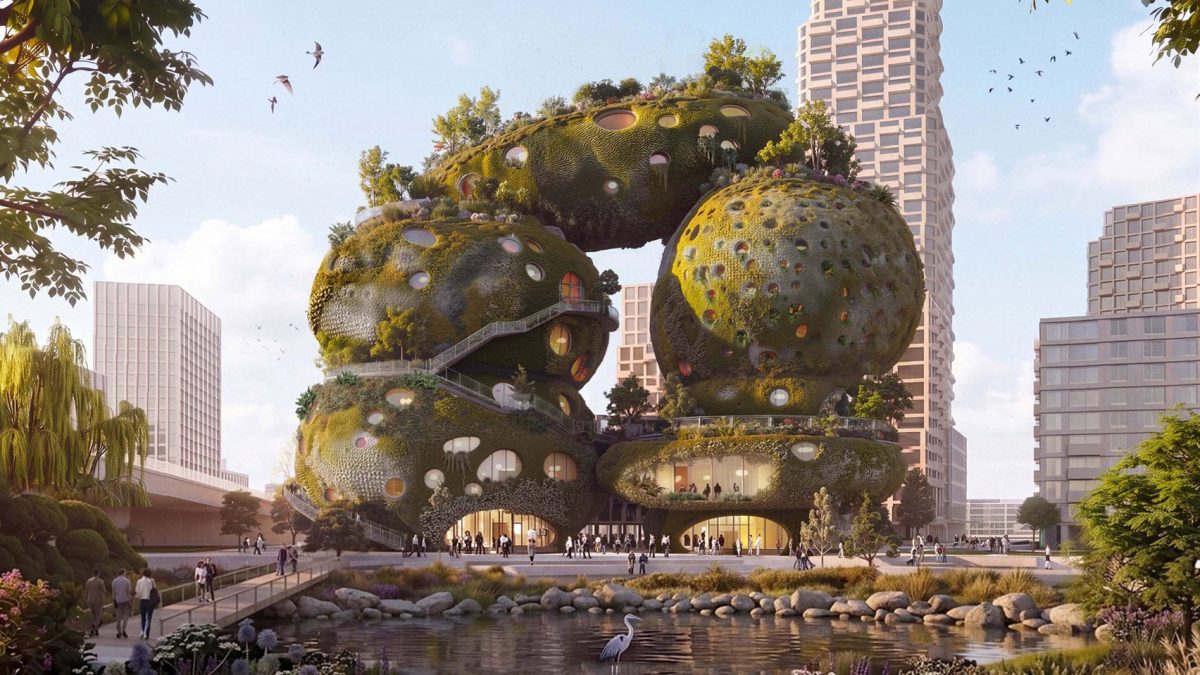
Picture seven massive stones dropped from the sky, then stacked on top of each other in the middle of Rotterdam. That's not a geological mishap. That's Rotterdam Rocks, a 240 million euro landmark designed by Dutch architecture studio MVRDV that's set to redefine what a cultural destination can be.
The building beat out five other international proposals to win the design competition. MVRDV's concept stood out because it manages something rare: it's architecturally audacious without sacrificing climate responsibility. Each of the seven boulders sits at a different height, creating an organic, almost natural silhouette. The jury (which included Ben van Berkel from UNStudio) called it "remarkably bold." Fair assessment.
What you'll actually see
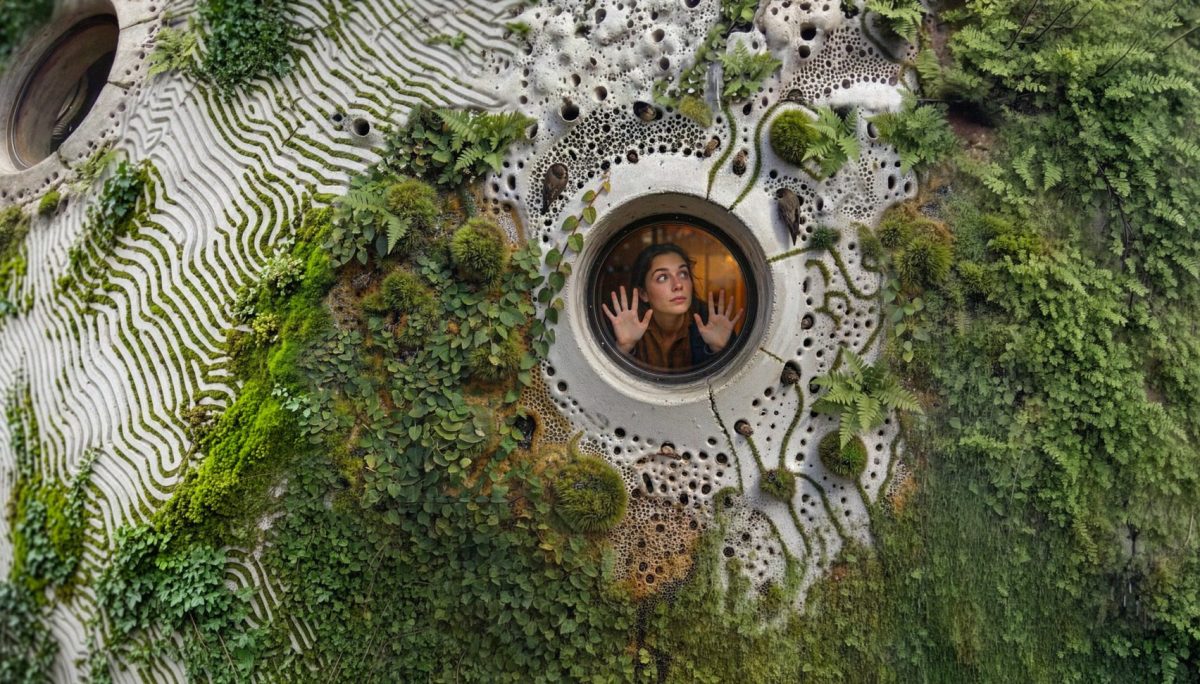
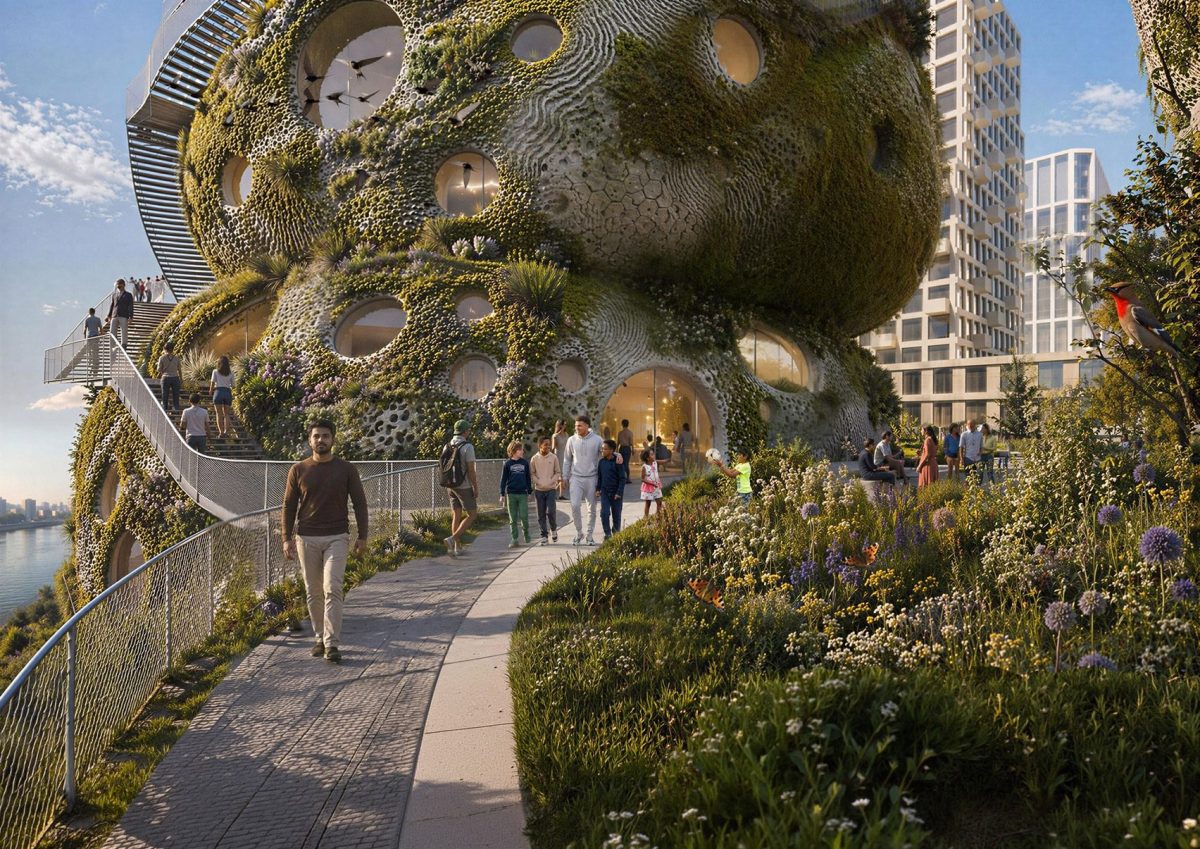
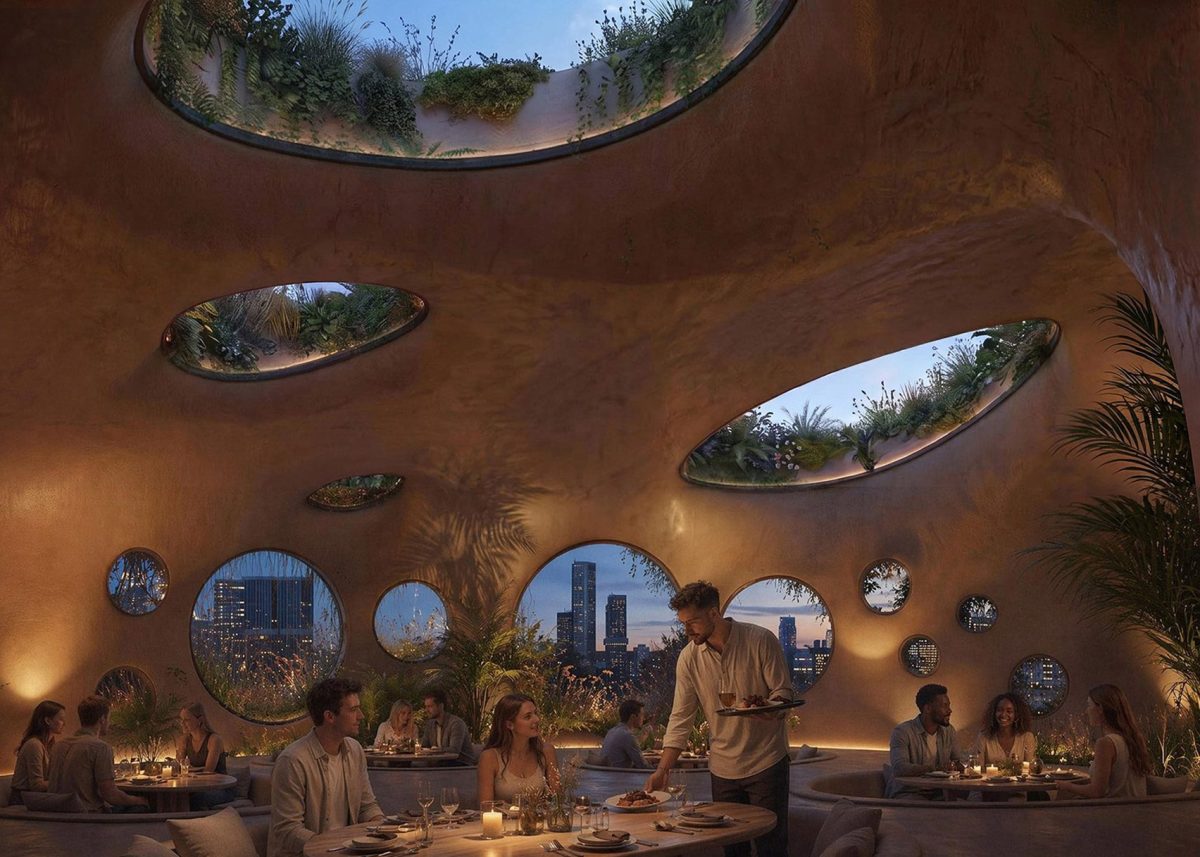
Walk around the exterior and you'll spot dozens of circular windows scattered across the moss-covered facades, making the whole thing look like enormous meteorites just landed in the Netherlands. This isn't just visual theater. MVRDV designed those pockets to trap soil, water, plants, and local wildlife, turning the building itself into habitat. It's climate action disguised as science fiction.
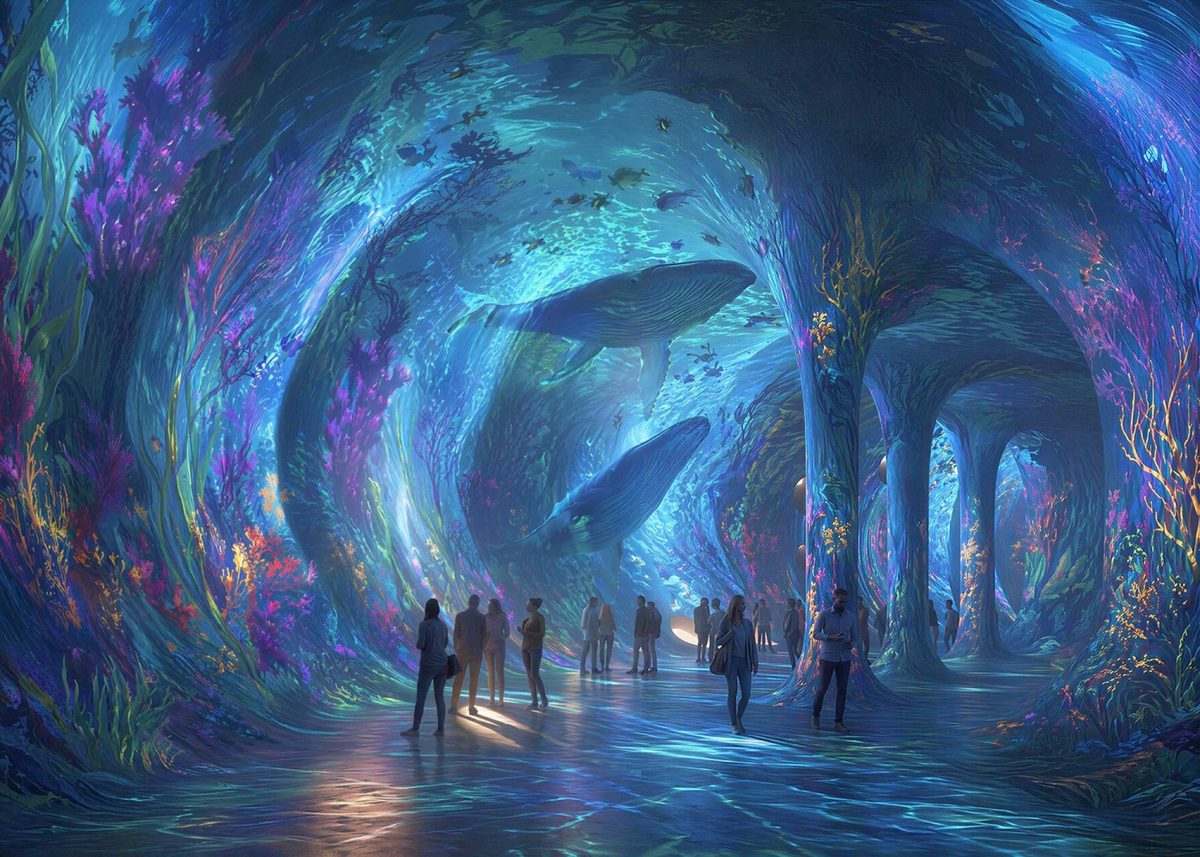
The rounded exterior hides something even stranger inside. Two circulation routes wind through the structure, connecting five thousand square meters of exhibition caves. These aren't small galleries tucked into corners. They're immersive spaces dedicated to art, history, and imagined futures. The building itself becomes the exhibit, not just the container for one.
The practical stuff visitors want
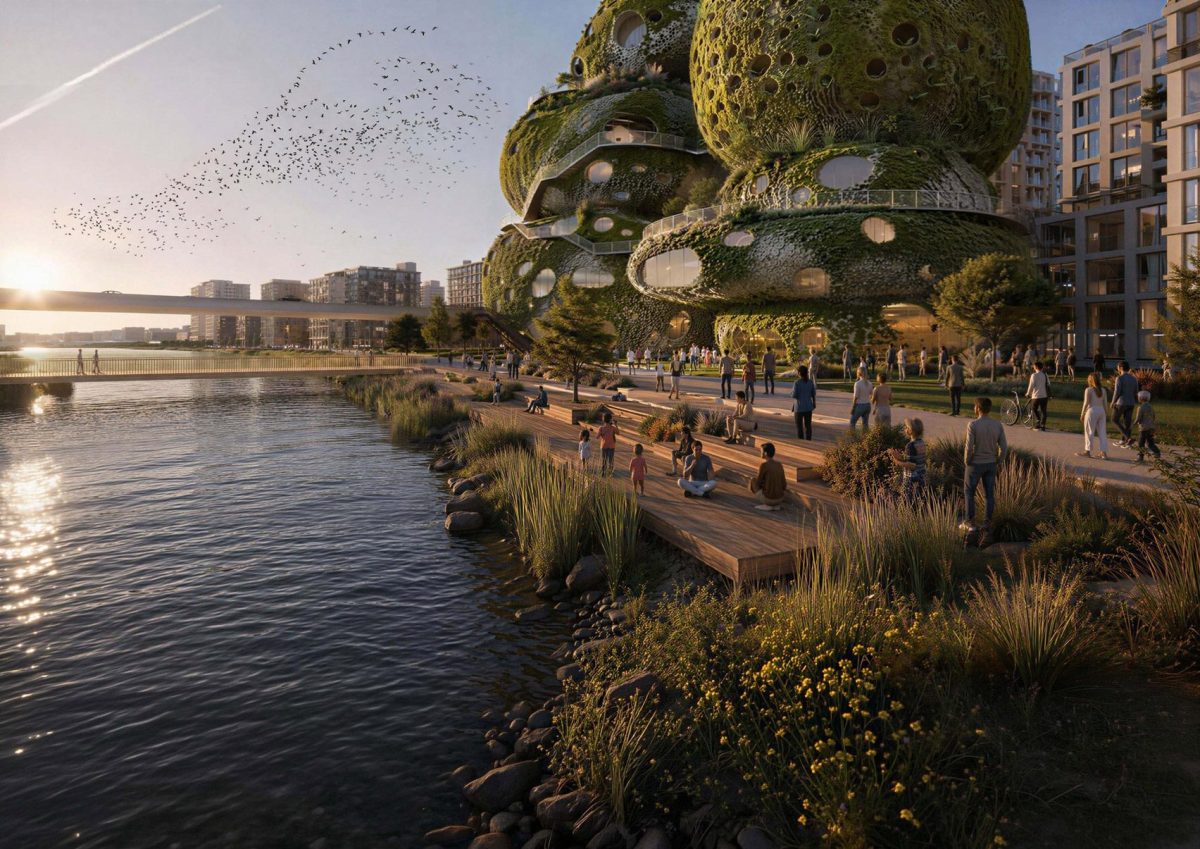
Beyond the experimental core, Rotterdam Rocks includes the basics that make a destination stick around. A 250-room hotel sits inside the stone facade. A food court keeps stomachs satisfied. There are spaces for education, business conferences, and community gatherings. Three ground-level entrances mean you won't waste time hunting for the door.
But the real prize is the rooftop. A public walkway spirals up and around the entire building, all the way to The Elysium. From up there, you get unobstructed views of the Maas River and the Rotterdam skyline beyond. It's the kind of vantage point that makes you rethink how cities can use their vertical space.
Why this matters beyond Instagram
Rotterdam Rocks didn't emerge from some architect's fever dream. It came from a competition launched by Shift, a social enterprise asking designers to imagine a "new world wonder" that could also serve as an "embassy" for climate action. The brief was specific: make something that makes people care about the future. Winy Maas, MVRDV's founding partner, said the design balances the need for built space with new landscapes that actually offset ecological damage. That's not green-washing. That's architecture with homework done.
The building sits in Waterkant, a new sustainable neighborhood on the south bank of the Maas. Around it, another 3,500 eco-homes are being built alongside schools, cultural spaces, a train station, and offices. This isn't a standalone monument. It's part of a larger reimagining of what urban growth can look like.
Planning a trip to the Netherlands in the coming years? Europe's newest train routes make getting to Rotterdam easier than ever. You'll want to coordinate your visit with the opening, expected sometime in 2026. No exact date yet, but the project is actively under construction now.
Rotterdam Rocks will likely pull hundreds of thousands of visitors to the Waterkant district annually. It's the kind of place that justifies the trip on its own, which is rare. Most new landmarks are novelties. This one is actually trying to change how we think about building cities in a warming world.