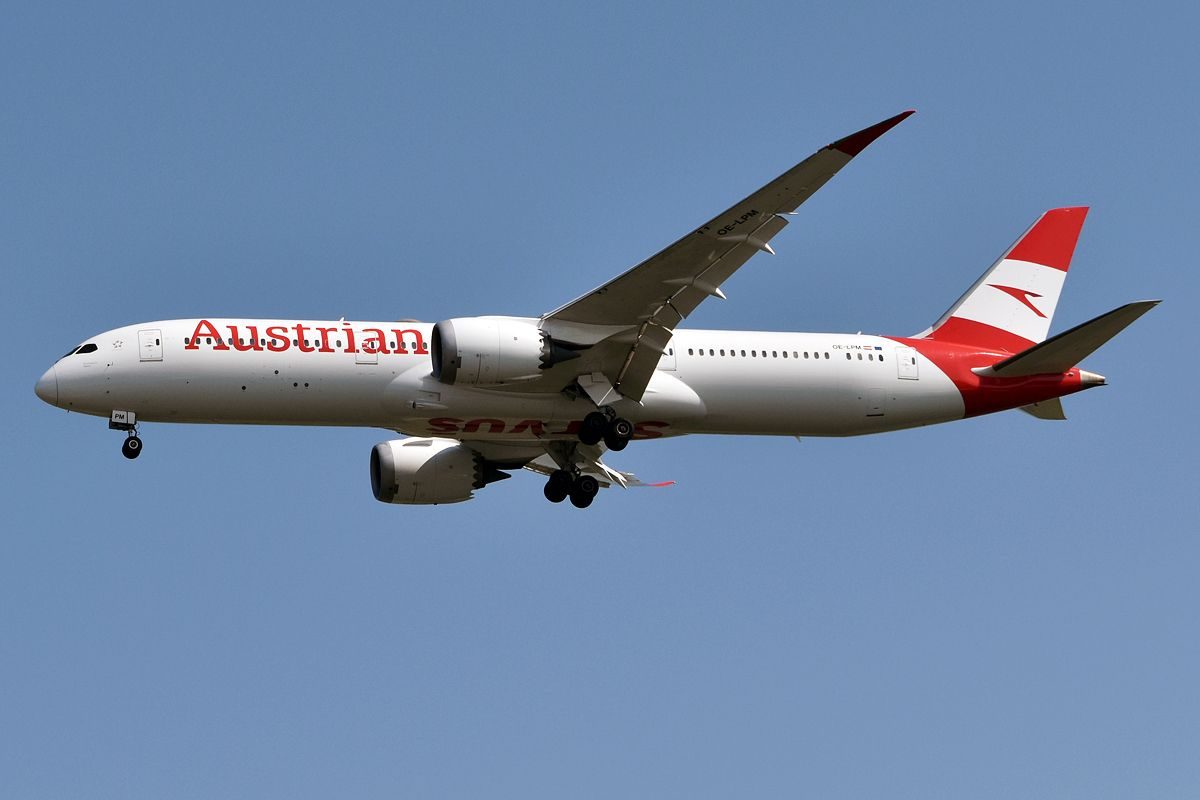
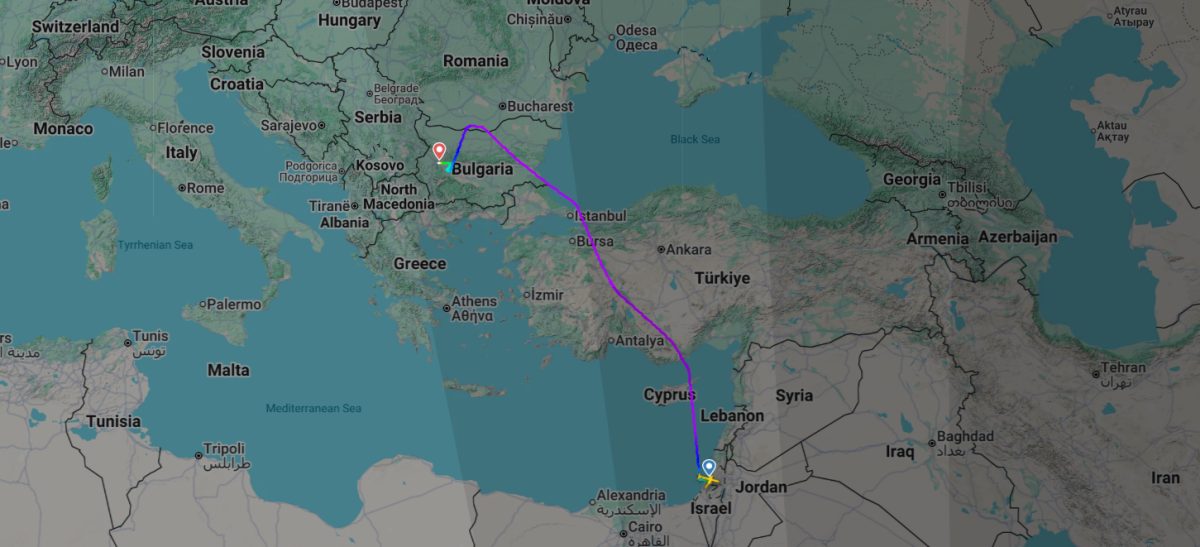
Sunday evening should have been a simple hop from Tel Aviv to Vienna. Instead, Austrian Airlines flight OS82 became the latest commercial flight dragged into the Middle East's escalating tensions. The Airbus A320, carrying 51 passengers and six crew, had just crossed into Bulgarian airspace at around 38,000 feet when a bomb threat came in. The caller, an Austrian national who was not on board, triggered a chain of events that ended with a fighter jet escort and an emergency landing in Sofia.
The crew didn't hesitate. They squawked 7700, the universal distress code, and turned the plane south toward Bulgaria's capital. Bulgarian authorities, coordinating with NATO's Combined Air Operations Centre in Spain, scrambled a MiG-29 to shadow the aircraft. It touched down safely at Vasil Levski Airport at 9:43 pm, and everyone on board evacuated without injury. Passengers were searched, and the airline initially planned to rebook them on other flights. But after a thorough inspection, Austrian Airlines confirmed that no danger was identified, and the plane continued to Vienna later that night.
This wasn't an isolated scare. Less than three weeks earlier, a flydubai flight from Pakistan to Dubai turned into a nightmare when the co-pilot attacked the captain with an axe. The plane plummeted nearly 5,000 meters in about 30 seconds before passengers and crew subdued the attacker. And just days before that, anonymous hoax bomb threats targeted Delta Air Lines flights to Israel. The pattern is clear: commercial aviation is being pulled into the front lines of a regional conflict that shows no signs of cooling.
The risks extend beyond individual flights. Recent weeks have seen Houthi attacks on Saudi Arabian airports, killing 19 people and injuring hundreds. The Wall Street Journal recently noted that airports, planes, and airspace have become deliberate targets of missile and drone attacks on a scale not seen before. For travelers, this means the skies over the Middle East are no longer just a route on a map. They're a potential flashpoint.
The US State Department updated its travel advisories for 12 Middle Eastern nations on October 18, including Bahrain, Iran, Iraq, Israel, Jordan, Kuwait, Lebanon, Oman, Qatar, Saudi Arabia, the UAE, and Yemen. The UK's FCDO has long warned against all travel to parts of Israel, though it hasn't yet updated its guidance in response to this latest incident. If you're planning to fly in or out of the region, it's worth checking the latest advisories before you book. And if you're already there, stay flexible. Flight diversions and delays are becoming more common, as Saudi skies turn hostile and airlines ground flights to Riyadh.
For now, the passengers of OS82 are safe, and the airline has resumed normal operations. But the incident is a stark reminder that the conflict in the Middle East has a new front: the air. As one aviation analyst put it, "Commercial air travel has been dragged into the front lines." For travelers, that means staying informed is no longer optional. It's part of the journey.
If you're flying through the region, consider booking with airlines that have robust contingency plans, and keep an eye on Europe's new border system if you're connecting through the EU. And if you're looking for a silver lining, at least the industry is getting better at handling these crises. The crew of OS82 did exactly what they were trained to do, and everyone walked away. That's the kind of professionalism that keeps air travel, even in turbulent times, remarkably safe.