Shanghai just got a new cultural heavyweight, and it is not hiding. The Grand Opera House, designed by the Norwegian firm Snøhetta, opened its doors on 17 October. But this is not your typical opera house. It is a place where you can climb a monumental spiral staircase to the roof, watch the Huangpu River glide by, and take in the skyline, all without spending a yuan.
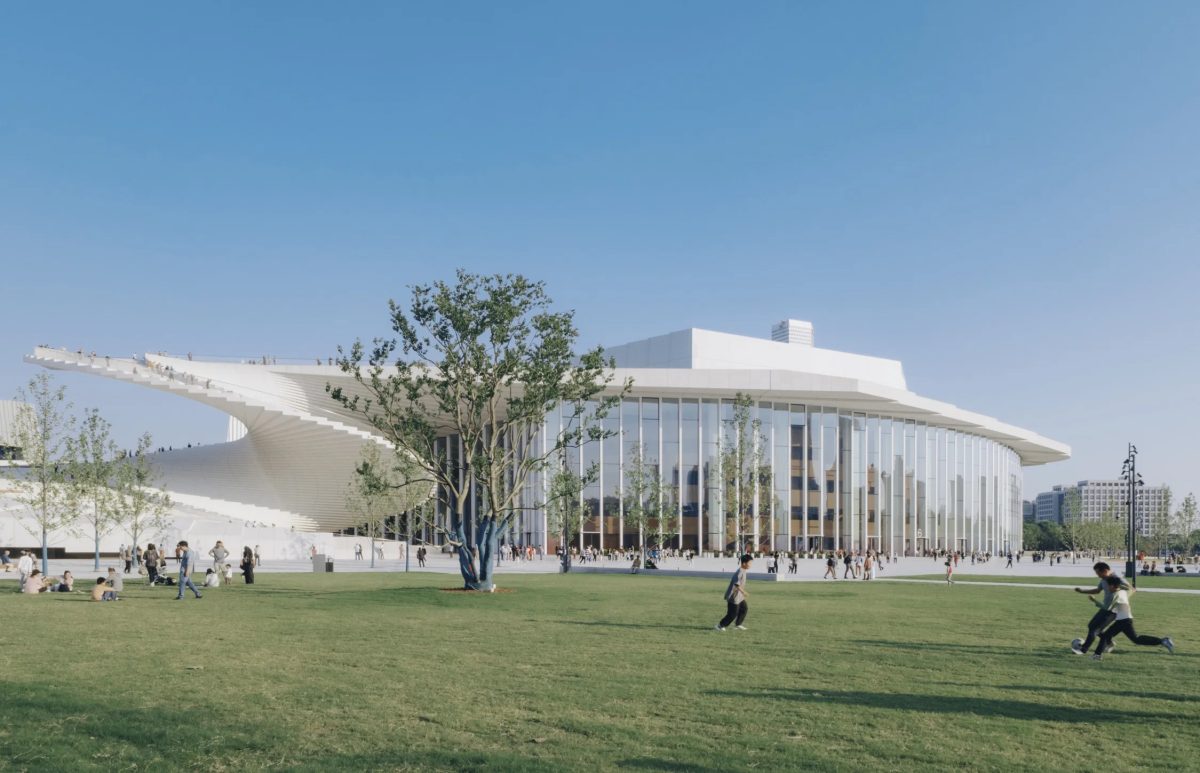
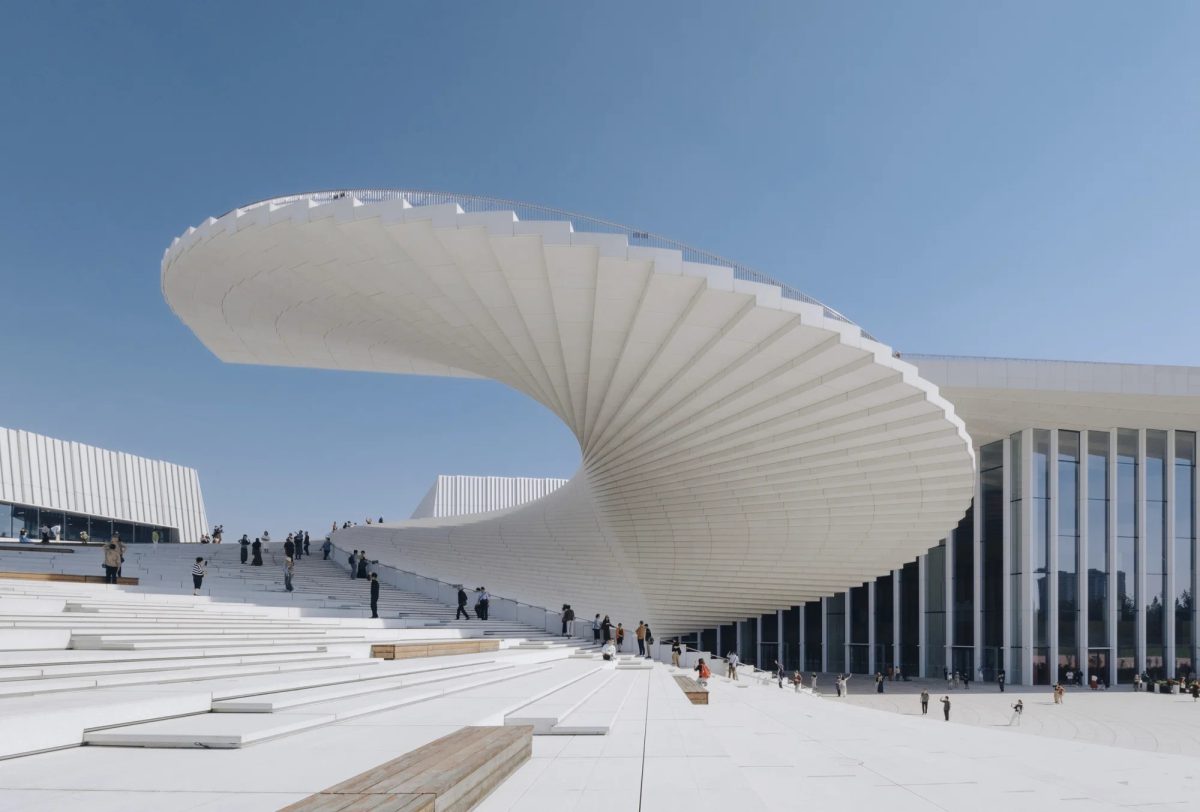
The building sits on the banks of the Huangpu River inside the Expo Culture Park, a spot that already draws crowds for its green spaces and river views. Snøhetta won the design competition nearly a decade ago, and the result is a striking white structure whose curves mimic the water's flow. The roof, inspired by an open Chinese fan or a dancer's twirling skirt, is the kind of architectural gesture that makes you stop and stare.
A Building That Invites You In
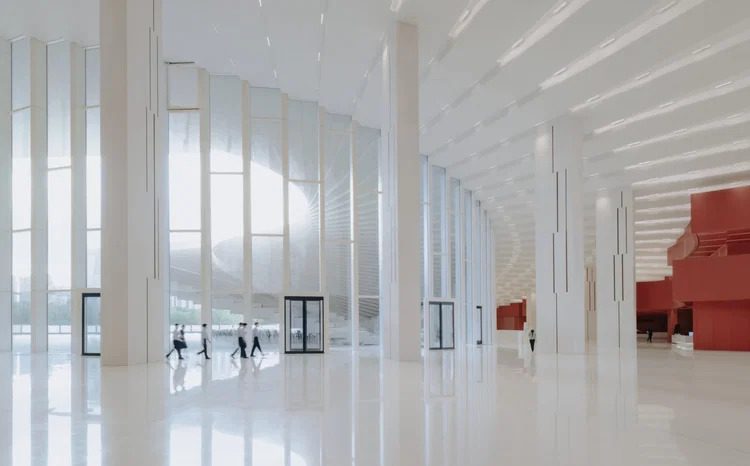
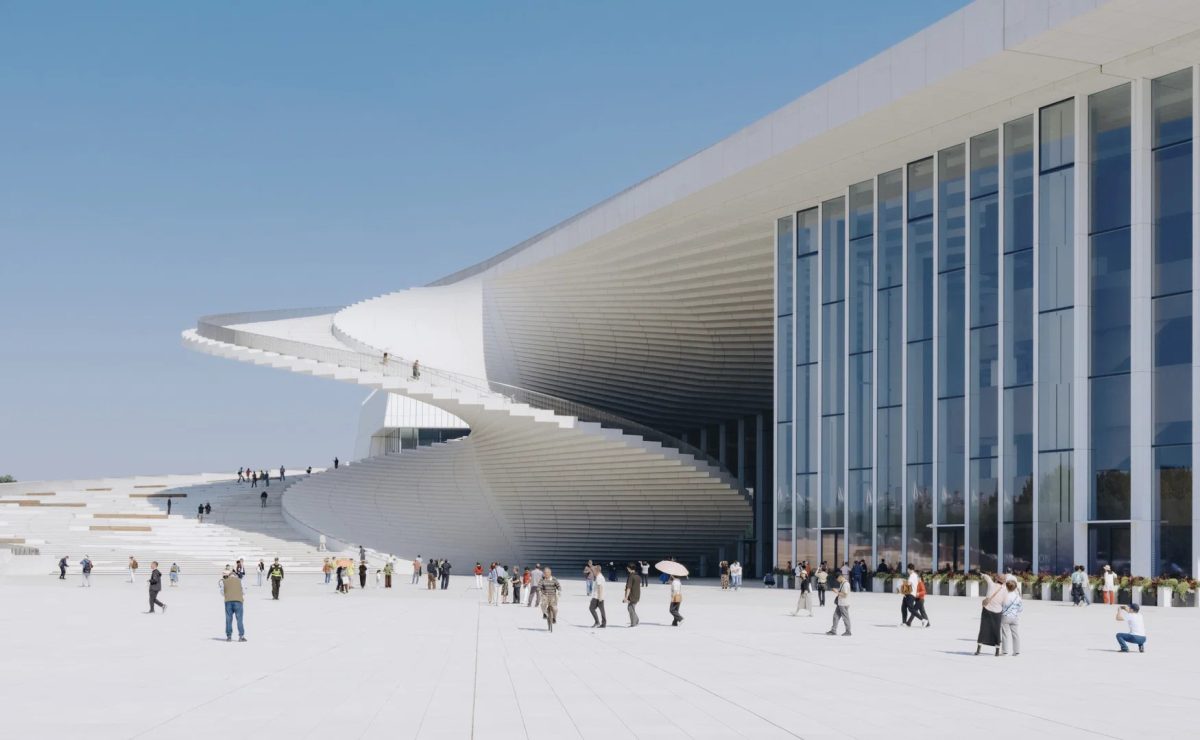
Spanning a massive 146,786 square metres, the opera house alternates white surfaces with floor-to-ceiling glass panels framed by slender columns. The design deliberately blurs the line between inside and out. Pathways and terraces from the surrounding park extend right up to the building, and the lobby opens toward the river and greenery. Natural light floods the interior, and you can see the park from almost anywhere inside.
Snøhetta co-founder Kjetil Trædal Thorsen told Dezeen that a cultural building must respond to its surroundings, the people who use it, and the city it joins. That philosophy is baked into every corner. The rooftop is free to access, and it is designed as an open-air stage, a meeting point, and an observation deck with panoramic views. Thorsen said people should be able to enjoy the building without attending a performance, and that it should become part of everyday life.
Inside the Grand Opera House
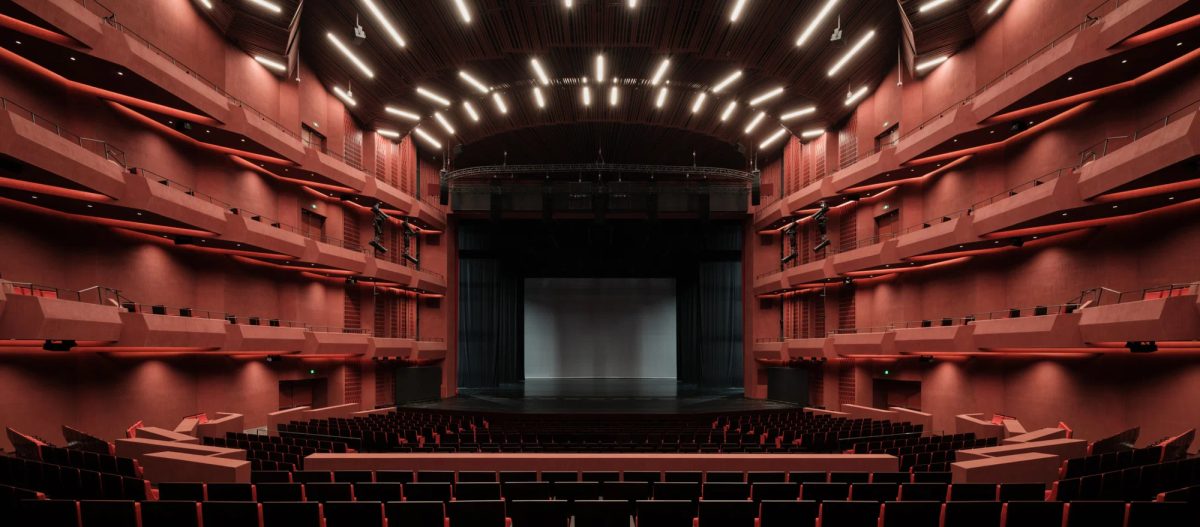
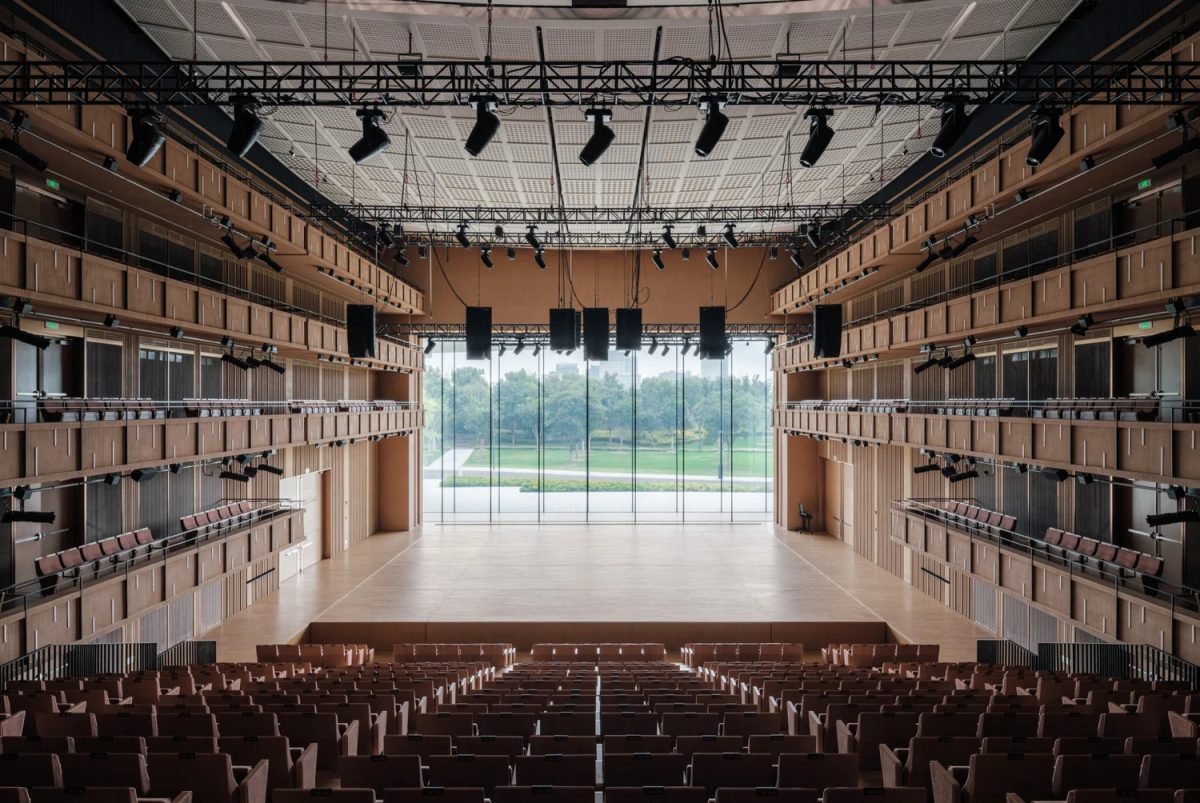
Step inside, and the white exterior gives way to a warmer palette. Red sculptural volumes dominate the spacious lobby, their bold geometric lines contrasting with the fluid exterior. The three auditoriums are each distinct. The largest, Harmony Hall, seats 2,000 and is wrapped in deep burgundy, from the seats to the balconies. The 1,200-seat Soar Theatre feels lighter, with pale wood panelling. The 1,000-seat Open Stage has flexible seating and can open directly onto the park, making it perfect for experimental performances.
Beyond the stages, there are rehearsal rooms, exhibition spaces, restaurants, and cafés. The idea is to keep the building humming even when the curtain is down. The inaugural season runs until 20 February 2027, with 82 performances across 47 productions, including international opera, Chinese works, dance, and new commissions.
Sustainability on a Grand Scale
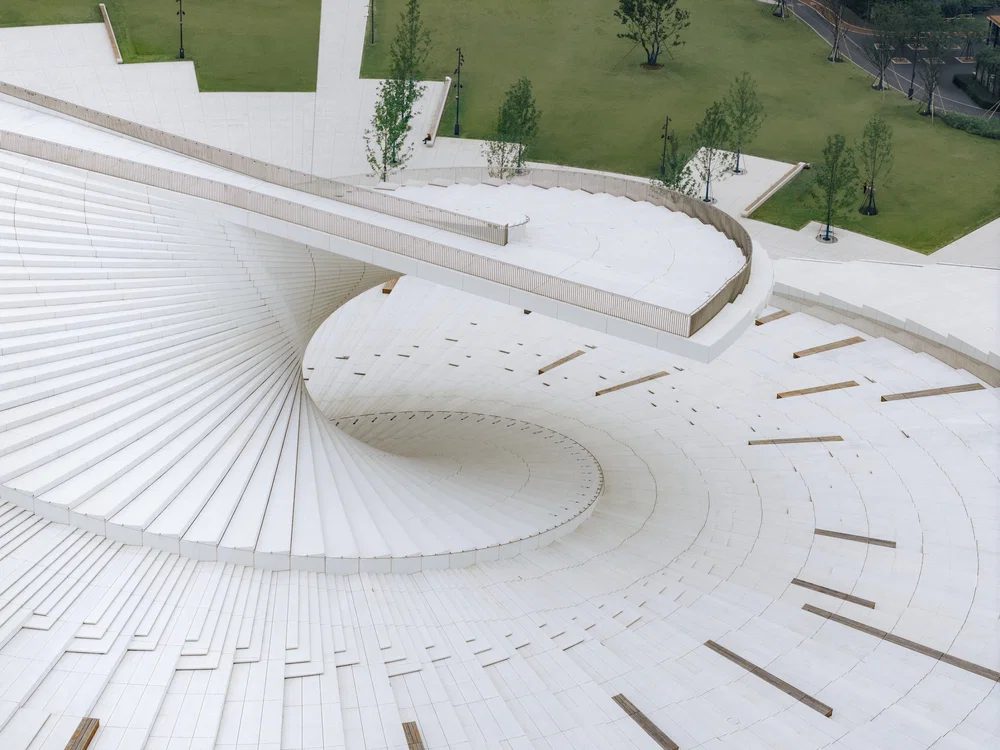
Building something this big with sustainability in mind is no small feat. The vast white roof reflects sunlight and heat, and the lobby's openings encourage natural cross-ventilation. Durable materials were chosen to ensure the building lasts, and its integration with the surrounding green spaces supports local biodiversity. Proximity to public transport is meant to reduce car dependence, which is a smart move for a city that loves its traffic jams.
If you are planning a trip to Shanghai, this is worth adding to your list. And if you are looking for other fresh travel ideas, check out Sydney's new airport or Brussels' Kanal Museum for more cultural openings. For a quieter escape, Sweden's travel agency for introverts might be just the thing.
The opera house is more than a venue. It is a civic space, a place to wander, to meet, and to see the city from a new angle. Access to the rooftop is free, so there is no excuse not to go up. Whether you catch a show or just soak in the view, this is Shanghai at its most ambitious.