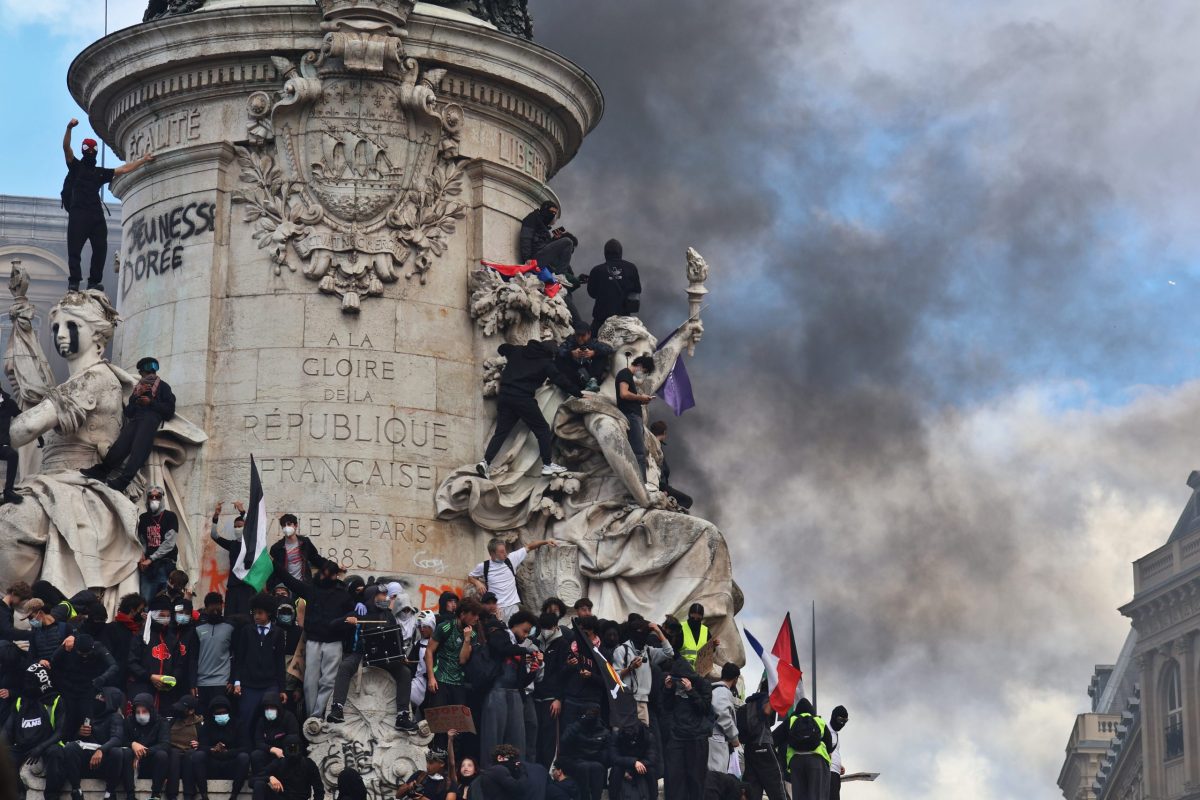
The images are hard to shake. A 19th century clock tower in Limoges, silhouetted against flames, then crumbling into rubble. It survived two world wars, but not the fury of a nation pushed to its limits. This is France in October 2026, and the streets are telling a story that no travel brochure ever will.
What began as student demonstrations over educational inequality has morphed into a nationwide uprising against the cost of living and a fraying social safety net. The unrest has spilled beyond French borders into Belgium, and the French government is scrambling to respond. Overnight curfews are now in effect in parts of Paris and Nice, and a partial ban on protests has been imposed after a single Saturday night saw 3,000 stores destroyed or looted.
For travelers, the immediate question is practical: is it safe to go? The short answer is yes, with serious caveats. Flights and Eurostar trains are still running on schedule, though road travel can be disrupted by sudden closures or curfews. The bigger risk isn't the journey itself, it's being caught in the wrong place at the wrong time. French riot police, the CRS, have a reputation for heavy-handed tactics, including rubber bullets and tear gas fired at close range, as seen during the gilets jaunes protests in 2018. That history makes the current situation more volatile than a simple advisory might suggest.
What Governments Are Saying
The United States has kept its travel advisory at Level 2, meaning exercise increased caution, unchanged since May 2025. The United Kingdom, however, updated its guidance on October 19, warning that local curfews may be introduced at short notice. The UK Foreign Office advice urges travelers to check local media and follow the instructions of local authorities. There's no blanket "do not travel" warning, but that doesn't mean you're fully covered if you cancel. Check your travel insurance and booking terms carefully.
Other nations are taking a harder line. Malaysia has advised its citizens to postpone all non-essential trips to France until the situation stabilizes. China, Czechia, the Netherlands, Germany, and Italy have all issued warnings to avoid protests and stay vigilant. Germany has even noted that fines could be imposed on those who fail to comply with authorities. The message is consistent: stay away from demonstrations, and if you're in an affected area, shelter in place.
How to Navigate the Chaos
If you're already in France or planning to go, the key is to stay informed and stay flexible. Avoid the obvious flashpoints: city centers, government buildings, and anywhere protests are likely to gather. Keep an eye on local news and social media for real-time updates. If a curfew is announced, respect it. The penalties for ignoring it can be steep, and the risk of being caught in a police crackdown is real.
But here's the thing: France is a vast country, and the unrest is concentrated in its major urban hubs. Outside the big cities, life continues largely as normal. Rural villages, coastal towns, and mountain resorts are unlikely to see any disruption. If you're flexible, you can still have a wonderful trip by shifting your itinerary toward quieter regions. Consider exploring the Loire Valley's châteaux, the lavender fields of Provence, or the dramatic cliffs of Brittany. These areas are not just beautiful, they're also far from the chaos.
For those with a passion for French culture, the current situation doesn't diminish the country's appeal. France's Alpine resorts remain a winter draw, and the country's culinary and wine traditions are as strong as ever. Even its cheese rivals are taking note. But for now, the priority is safety, not sightseeing.
The situation is fluid, and things could change quickly. The UK's advice to check local media is the single most important step you can take before and during your trip. If you're in doubt, consider postponing non-essential travel, especially if you're planning to visit Paris or other major cities. The French government is assessing emergency measures, and more restrictions could be on the way.
Traveling during times of unrest is never easy, but it's not impossible. With careful planning, a flexible attitude, and a willingness to adapt, you can still experience the France that has captivated travelers for centuries. Just remember to keep your distance from the protests, follow the rules, and stay safe. The clock tower in Limoges may be gone, but the spirit of France, in all its complexity, remains.