Spain's government has approved one of its most aggressive anti-smoking campaigns since 2010, and if you're planning a trip soon, the new regulations could directly affect your plans to lounge on a terrace with an espresso. The Council of Ministers recently backed a sweeping tobacco control package designed to eliminate smoking across swaths of public spaces over the next four years.
The legislation goes well beyond simple smoke-free zones. Under the Comprehensive Plan for the Prevention and Control of Tobacco Use 2024-2027, Spain wants to ban anyone under 18 from buying tobacco altogether, treat e-cigarettes and shisha pipes like regular cigarettes, clamp down on tobacco marketing, and create massive no-smoking areas that will reshape daily life.
Where You Cannot Light Up Anymore
Here's where it gets real for travelers: if these laws pass, smoking will be prohibited on restaurant and bar terraces (the very soul of Spanish social life), public beaches, swimming pools, sports facilities, national parks, and anywhere public events happen. The restrictions don't stop there. Authorities plan to create 15-meter protection zones around hospitals, libraries, museums, schools, playgrounds, sports centers, and cultural institutions. That means you can't even stand outside these places and light up.
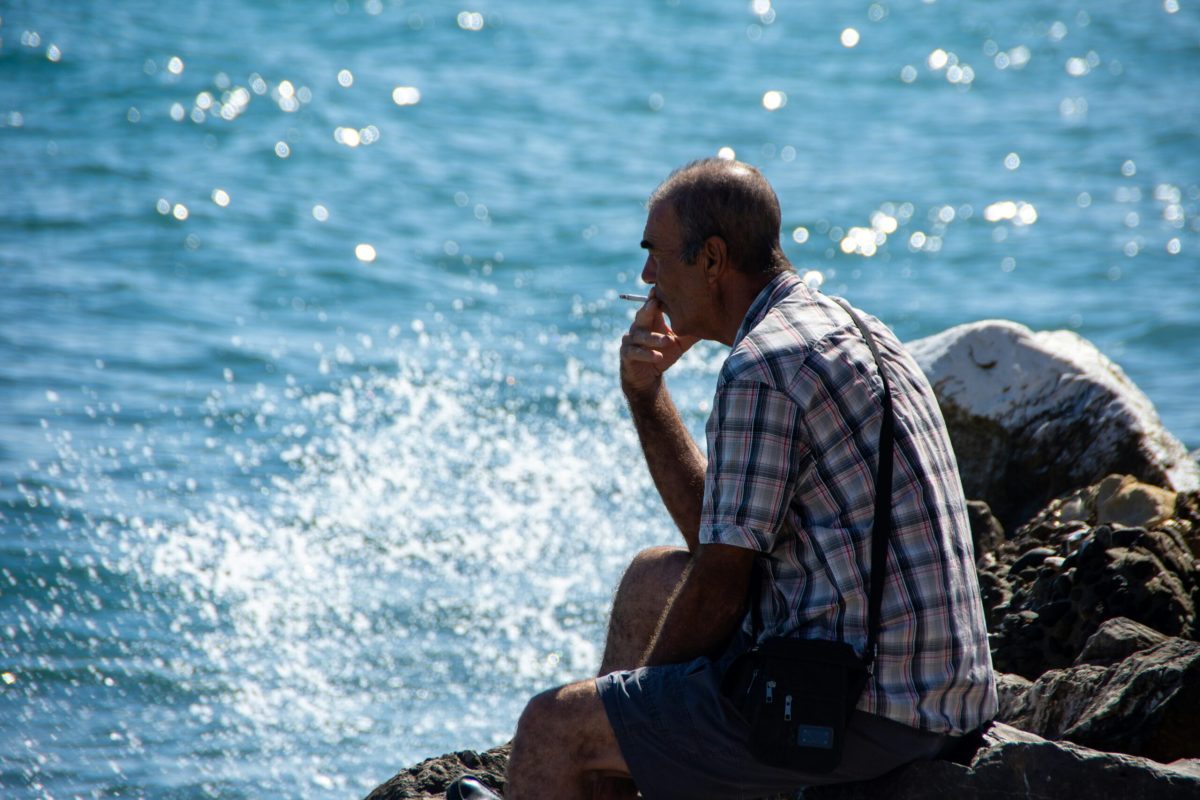
For anyone who enjoys Spain's beach culture, the terrace ban is the real bombshell. The traditional Spanish ritual of afternoon drinks outside a café, or sunset cigarettes by the sea, faces serious restrictions. Even work vehicles fall under the ban unless they're used exclusively for personal reasons.
The Money Part (And It's Significant)
Violations carry hefty fines. Standard smokers face penalties between 200 and 600,000 euros depending on the breach. Young people caught with tobacco products could be ordered to perform community service or face fines starting at 200 euros. For travelers on a budget, this could genuinely dent a holiday fund.
Health Minister Mónica García justified the aggressive approach by pointing to Spain's 50,000 annual smoking-related deaths. She framed it simply: people should be able to enjoy a terrace coffee without inhaling smoke from neighboring tables. The government's official announcement positioned the law as a major public health victory, comparing it to the landmark 2010 anti-smoking legislation that shocked Spain but ultimately stuck.
Not Everyone's Cheering
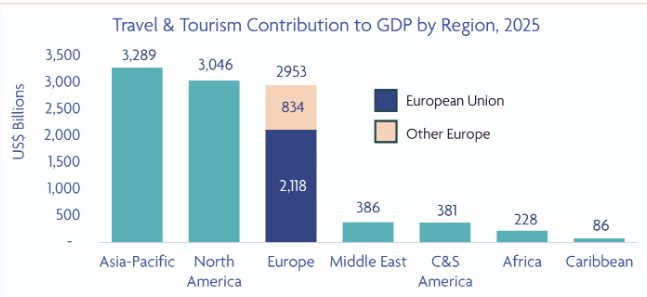
Spanish hospitality groups have raised the alarm, arguing that smokers might avoid bars and restaurants altogether, hurting businesses and simply pushing smoking indoors to private homes instead of eliminating it. They contend the law will have limited real-world effectiveness while damaging the tourism and hospitality sectors that underpin Spain's economy.
For travelers, this debate matters less than the practical reality: if the law takes effect, your terrace experience in Spain will look different. Whether you smoke or not, the social landscape is shifting. Consider that when you're booking your Spanish getaway.
When Does This Actually Happen?
The law isn't final yet. It still needs parliamentary approval, but Spain's government has momentum. Even if implementation stretches into 2025 or beyond, the writing is on the wall. Spain is serious about becoming a stricter smoke-free nation, and visitors should plan accordingly.